
Dates: May 28-31, 2026
Place: Gyumri, Georgia
We left Yerevan the way you ought to leave a city you’ve grown fond of, slowly and a little reluctantly. After five days in our apartment by the Cascade, we packed up, ate a final breakfast of leftovers, did one last sweep of the rooms, and trundled our luggage down the sidewalk to a coffee shop like a slow-moving baggage convoy, killing an hour over coffee and journaling before catching the metro to the train station. The train pulled out in the early afternoon, bound for Gyumri, Armenia’s second-largest city, a couple of hours to the northwest and our final stop before we would cross back into Georgia.
The countryside on the way north was stunning, hugging the Turkish border much of the way. From our vantage point, you’d never know that this border is currently closed, neither country particularly fond of the other at this tense moment. Instead, our eyes were glued to the incredible scenery—we were catching Armenia at the greenest possible moment of the year, everything in full bloom, and the train window framed a slow, rolling scroll of lush hills and meadows. We passed Mount Aragats, the tallest mountain located entirely inside Armenia at just over 4,000 meters, a broad four-peaked volcanic massif that dominates the central plain. And off in the distance we caught Mount Ararat one more time, the same shrouded twin-peaked giant we’d spent all of the previous week watching from Yerevan. From a moving train, with hills tumbling by in the foreground, it looked different than it had from the city. Less like a national symbol, more like wild geography. Out here, it was just a mountain.
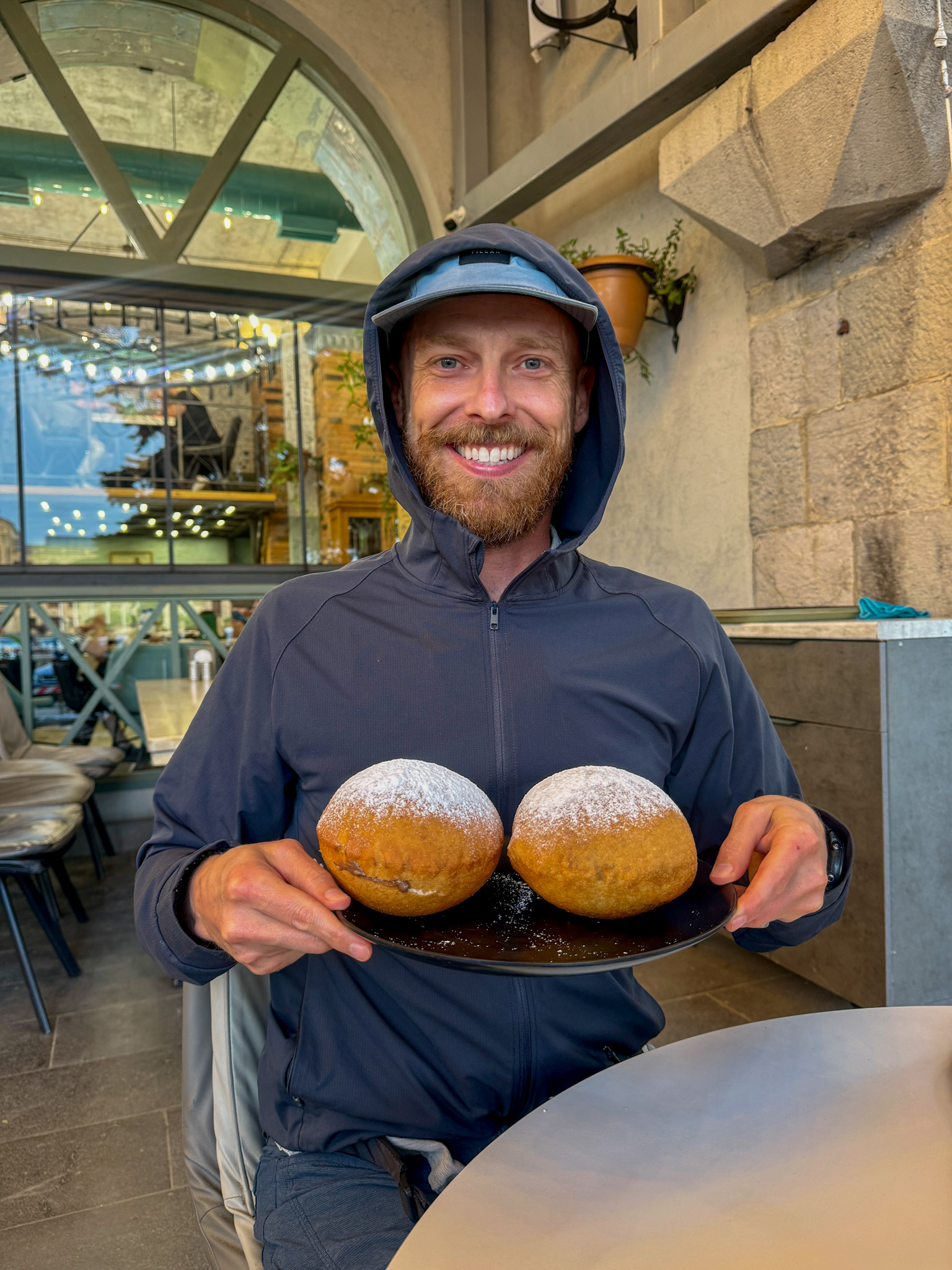
We rolled into Gyumri in the early evening and took a taxi to the Barbar Apart Hotel, a comfortable modern place with two bedrooms and a kitchenette, where the staff produced a second pillow each for Shaina and Max, a small luxury after a long run of single guesthouse pillows, each roughly the size of Texas. After dropping our bags, we went out for our first proper introduction to the city, and we made it a delicious one. We walked to Ponchik Monchik, a Yerevan-born chain we had never seen, but which we stumbled upon here due to the massive swarm of locals awaiting entry to the even more massive restaurant on the main square. Ponchik, Russian for “donut”, is the Armenian take on a filled fried doughnut, hollow poofy pillows of dough shot full of either custard or, in our strongly preferred version, thick Nutella. The chain has turned them into something close to a national obsession, and we were more than happy to keep participating.
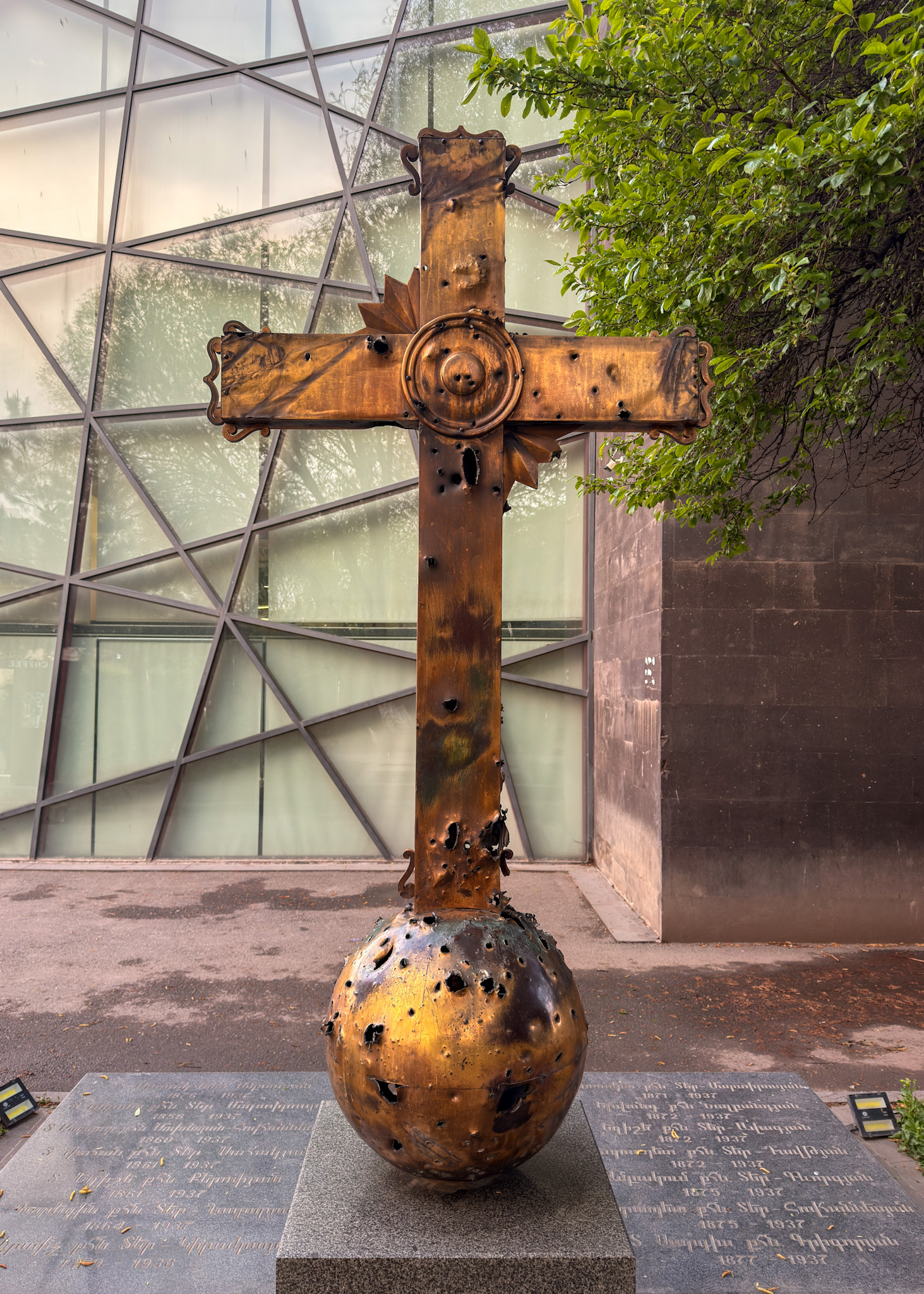
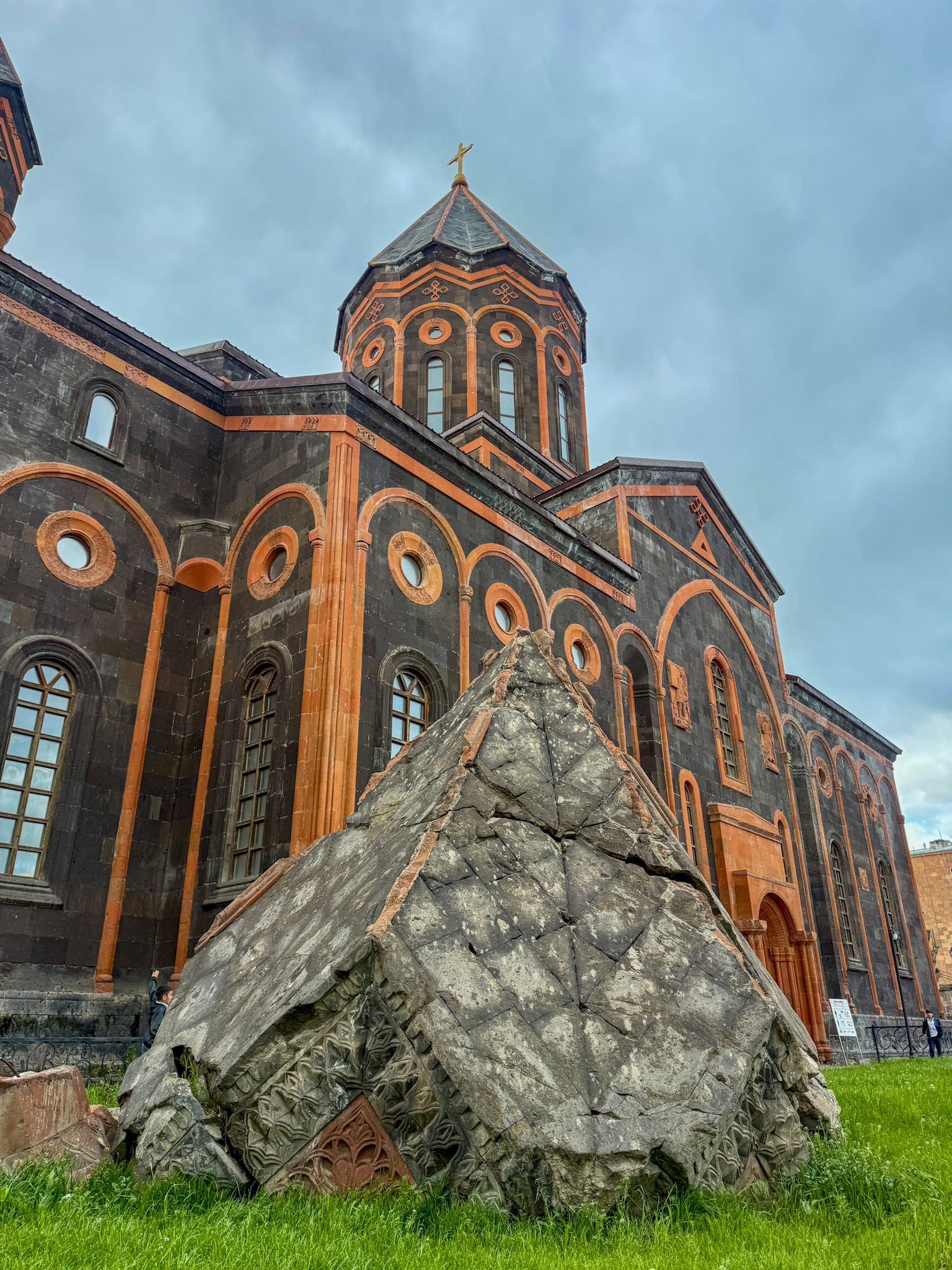
From there we walked past the Cathedral of the Holy Mother of God, the main church on Vardanants Square, and got our first hint of the thing that quietly shapes all of Gyumri. Out front stands a large stone cross, and as we got closer we saw that it was pocked all over with what looked like bullet holes and shrapnel scars. It is a memorial, and the scars are deliberate. In 1988, the Spitak earthquake struck northern Armenia and killed some 25,000-50,000 people, leveling huge swaths of Gyumri, which was then known as Leninakan, in a matter of seconds. The wounds carved into the cross stand for the wounds the city took that day. None of this is recent news, and the city has long since gotten on with living. But standing in front of that cross as the light dropped, you understand pretty quickly that Gyumri is a place that has had to put itself back together, and has done it more than once.
That theme kept resurfacing over the following days, woven right through what was otherwise our most relaxed, domestic stretch in a long while. Much of that domestic rhythm centered on a little cafe called Herbs and Honey, about 200 meters from our hotel
It was a funky spot with live plants spilling from the ceiling and a clean, neutral palette throughout. Our hotel partnered with it for breakfast, and we liked it so much that over our days in Gyumri we essentially set up camp there, taking breakfasts and snacks and even a dinner or two under its hanging plants, grinding through the girls’ homework and our own journaling and blog work between meals, with card games to break things up. The breakfasts were generous rather than fancy, but the locally baked bread and a lineup of truly excellent teas and jams kept us coming back.
Our mornings, before the cafe, mostly belonged to exercise, since Shaina and Max are deep into a fitness push ahead of some big hikes still to come. Max ran loops at a nearby park while Shaina power-walked the shaded trails, and on at least one occasion Max returned to the hotel so thoroughly sweat-soaked that locals along the way regarded him as a man on whom a bucket of water had recently been emptied.
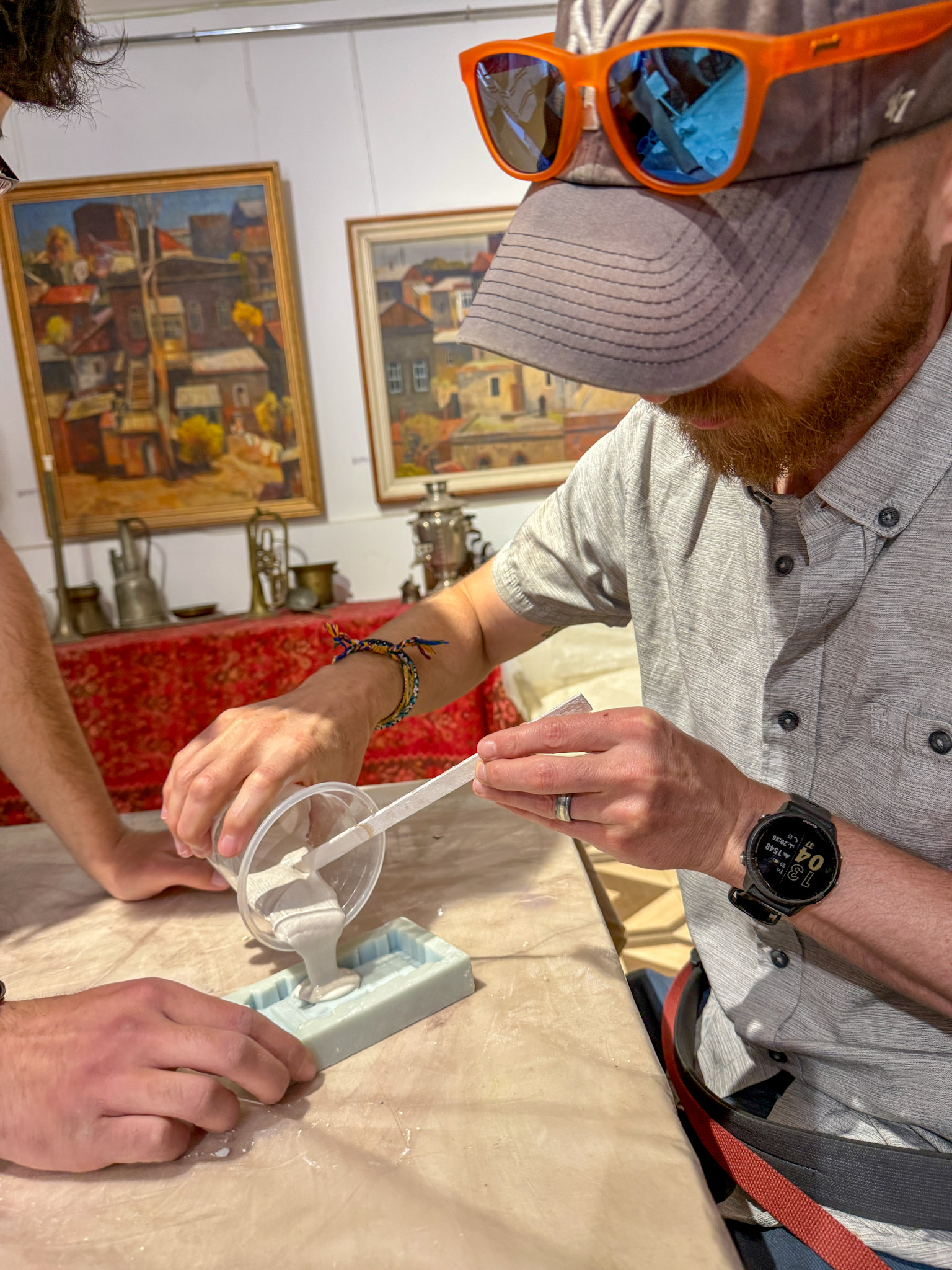
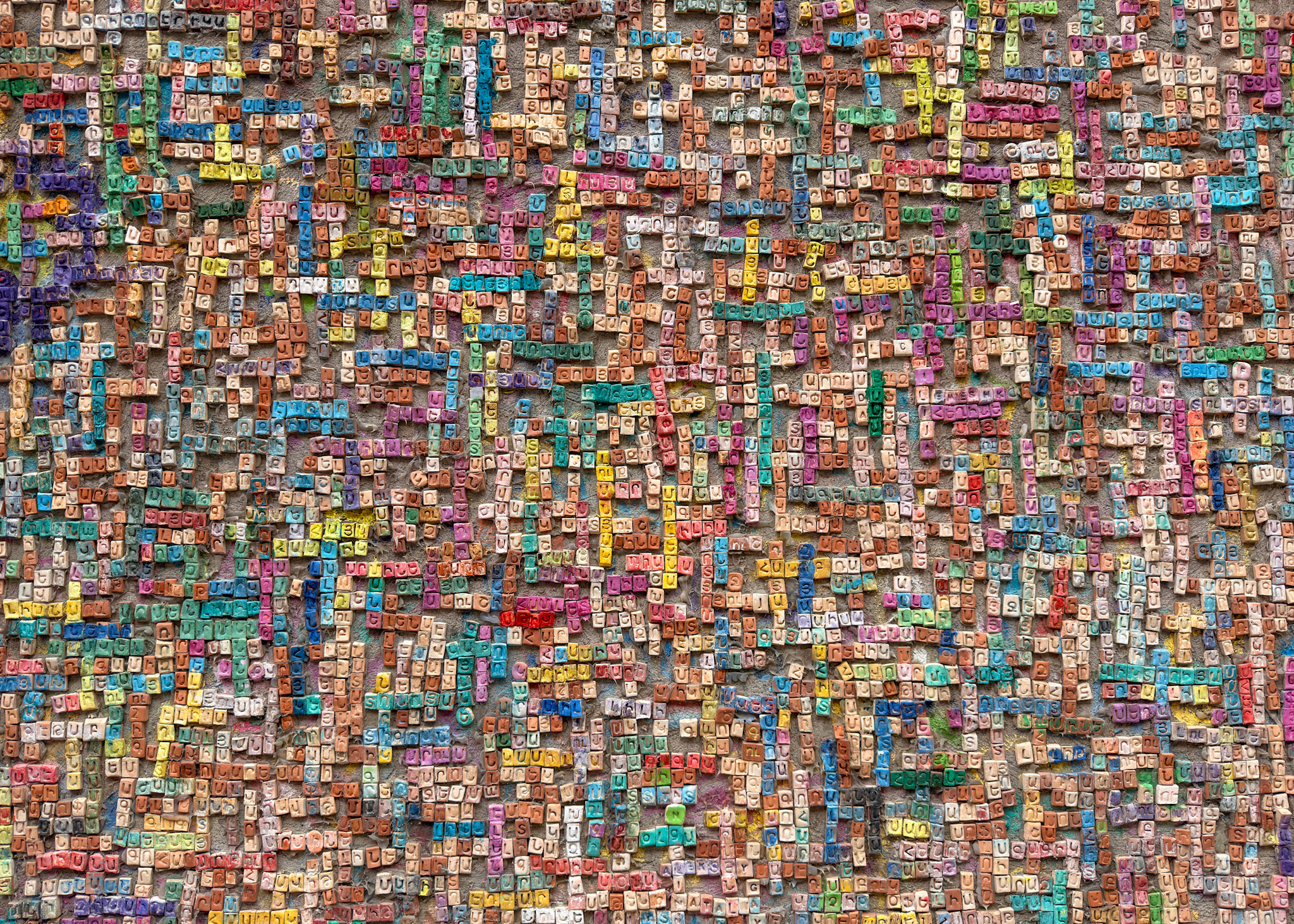
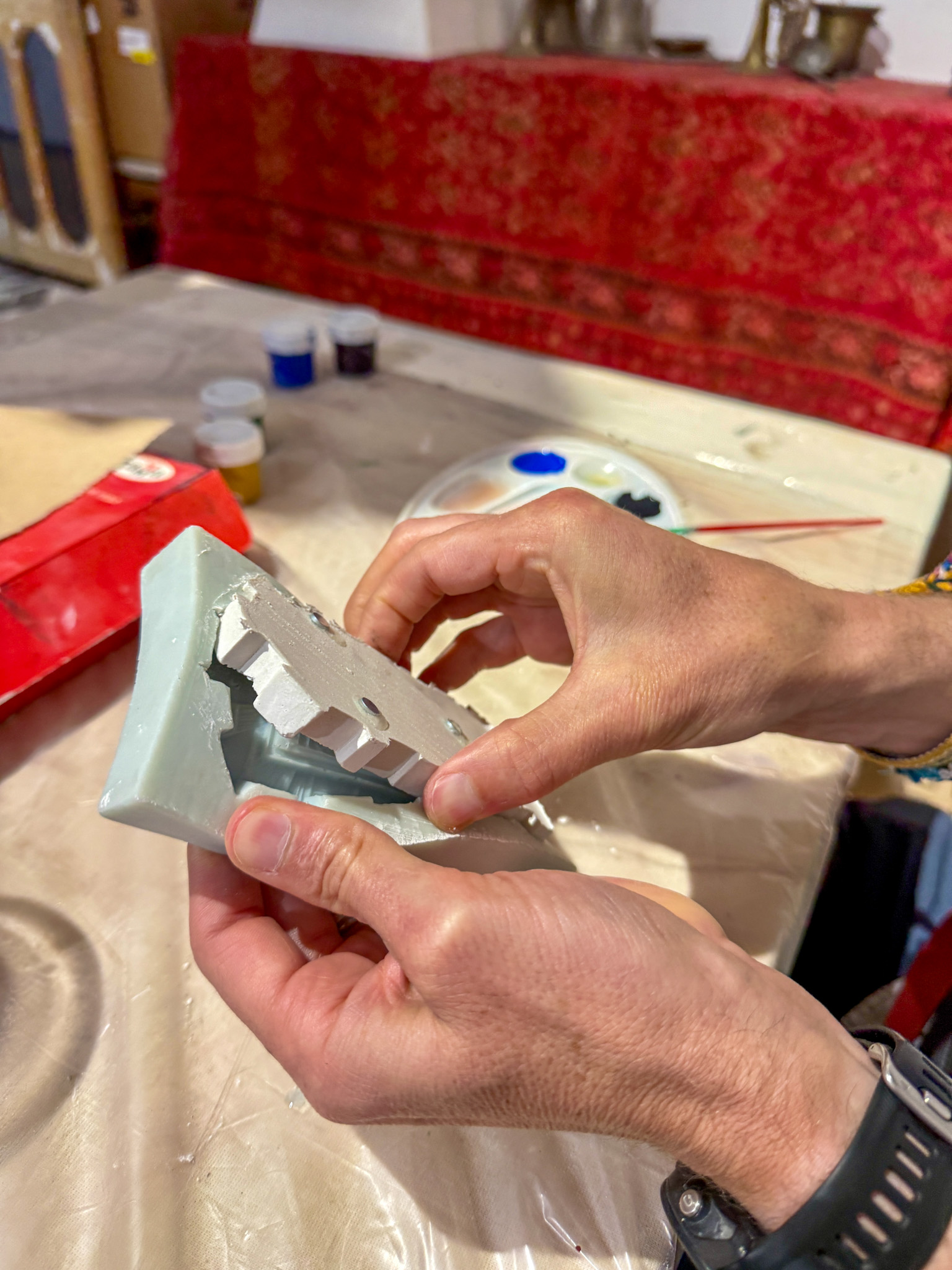
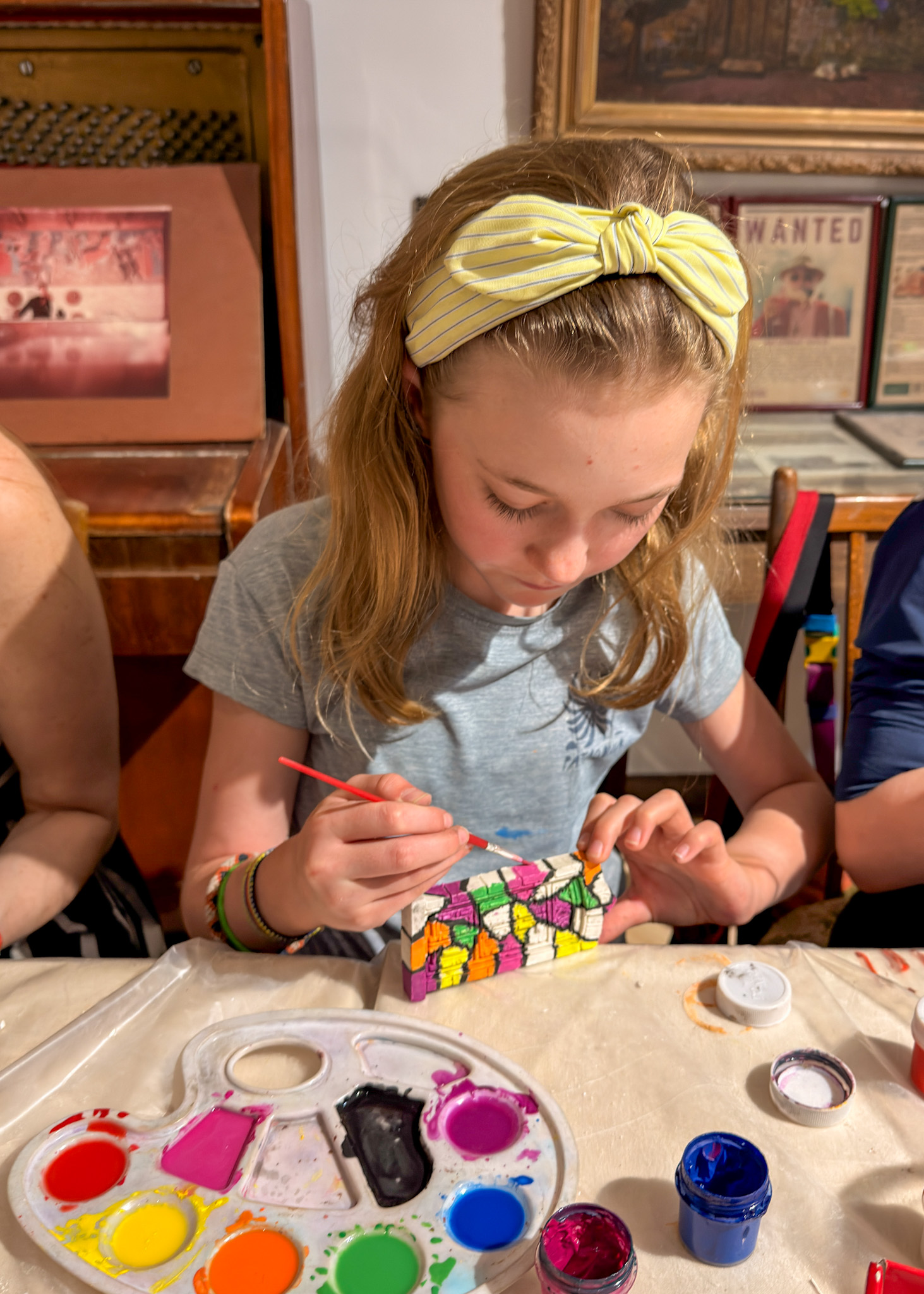
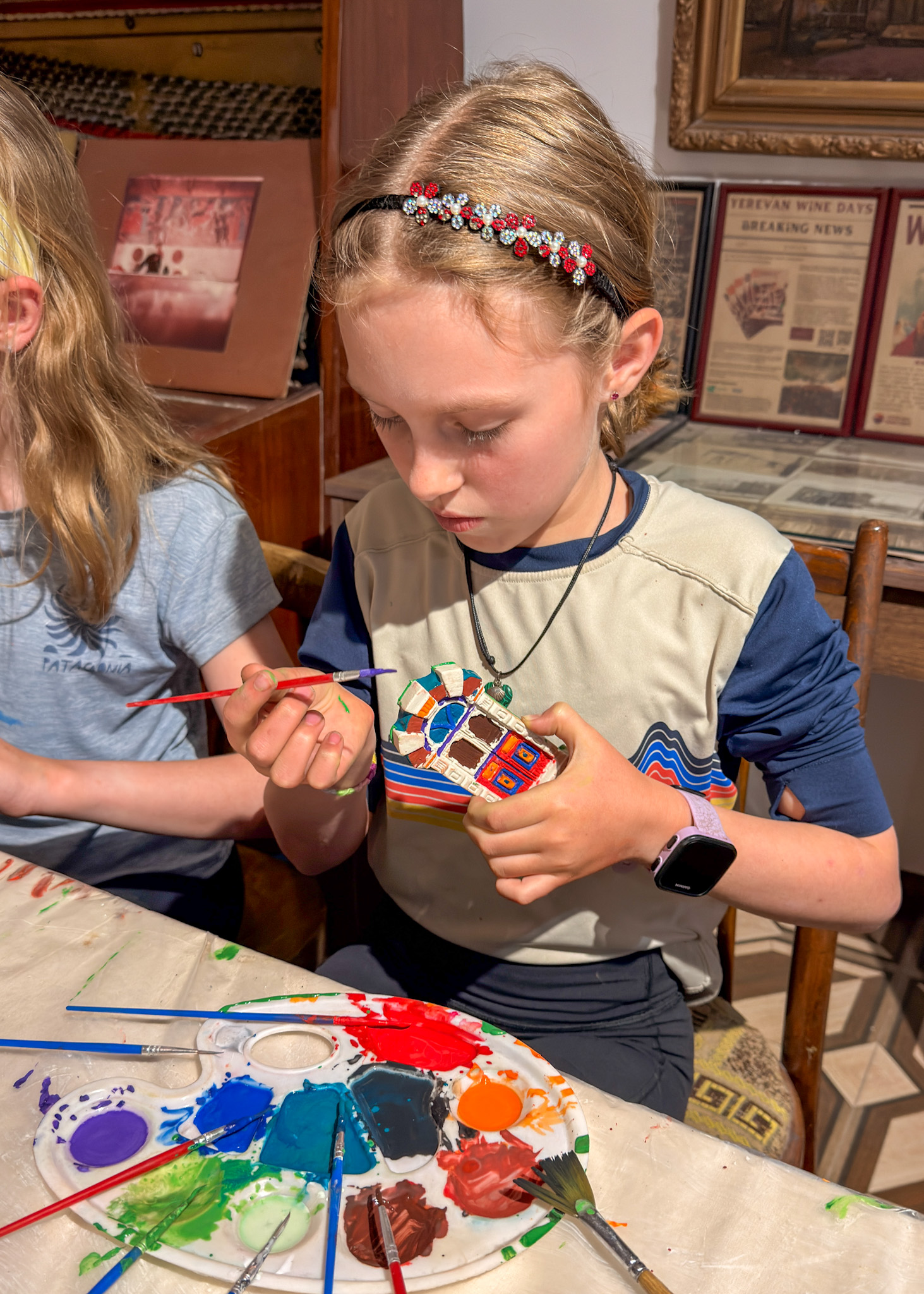
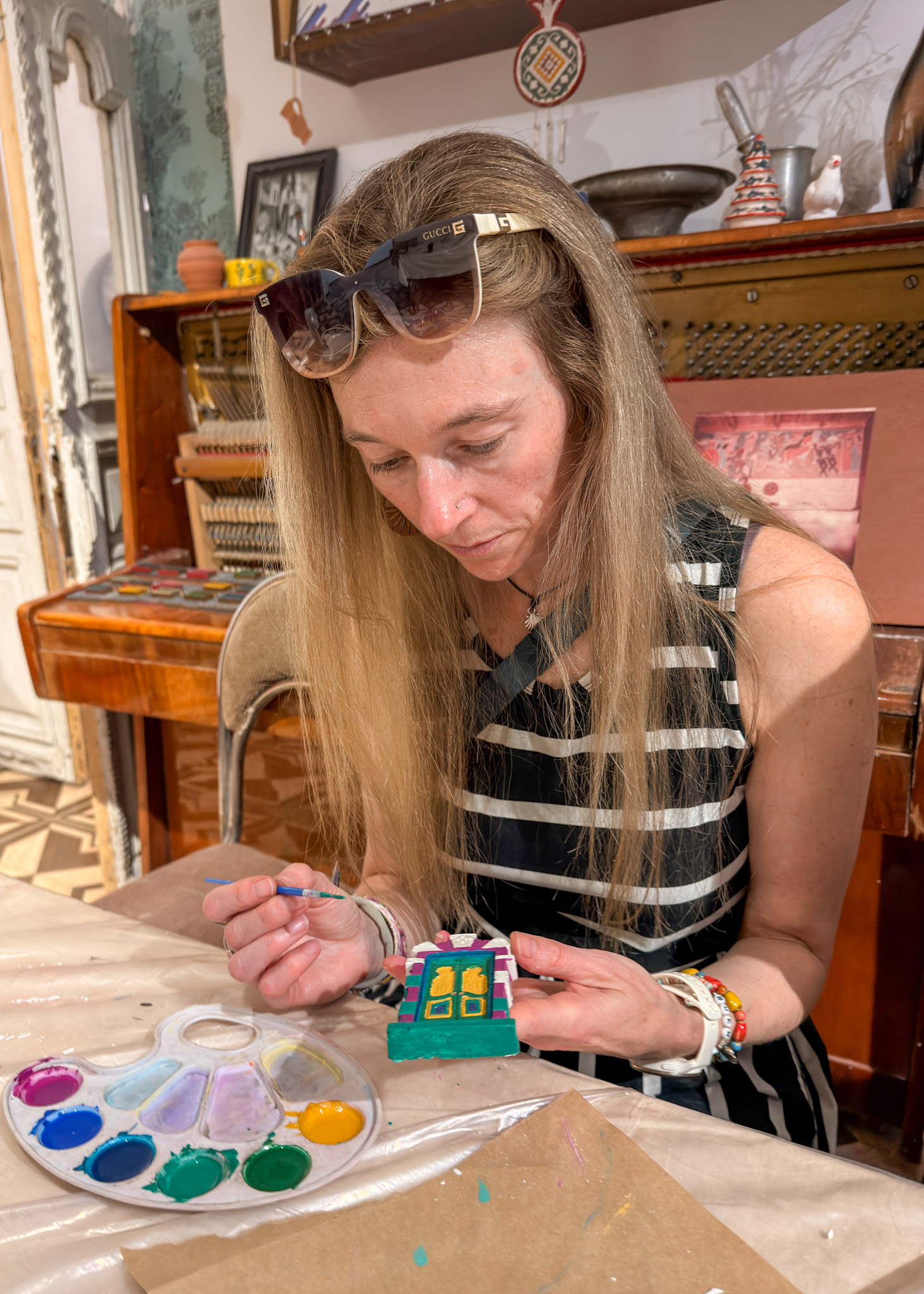
One afternoon we did something completely different, walking into Varem Marem, a tiny local art studio. It was billed as a “masterclass,” a word that gets applied pretty generously in this part of the world. This was a cute craft project rather than any journey toward mastery, and it involved making plaster castings of a miniature door, maybe two inches wide, then popping the little doors out of their molds once the plaster set and painting them however we liked. Arya, hands down, won the prize for most striking result. Rather than painting hers conventionally, she layered the whole door with spiderweb crack lines and then filled the spaces between them with wildly clashing colors, and the result was genuinely stunning, causing even the studio volunteers to stop and admire. Finlee went the opposite direction, an all-out riot of color and pattern. Shaina, being her meticulous self, produced a flawless, perfectly painted door, and Max landed somewhere between her precision and the girls’ anarchy. We spent a solid three hours there, well past the point most visitors finish. Apparently we had an artistic itch that needed to be scratched.
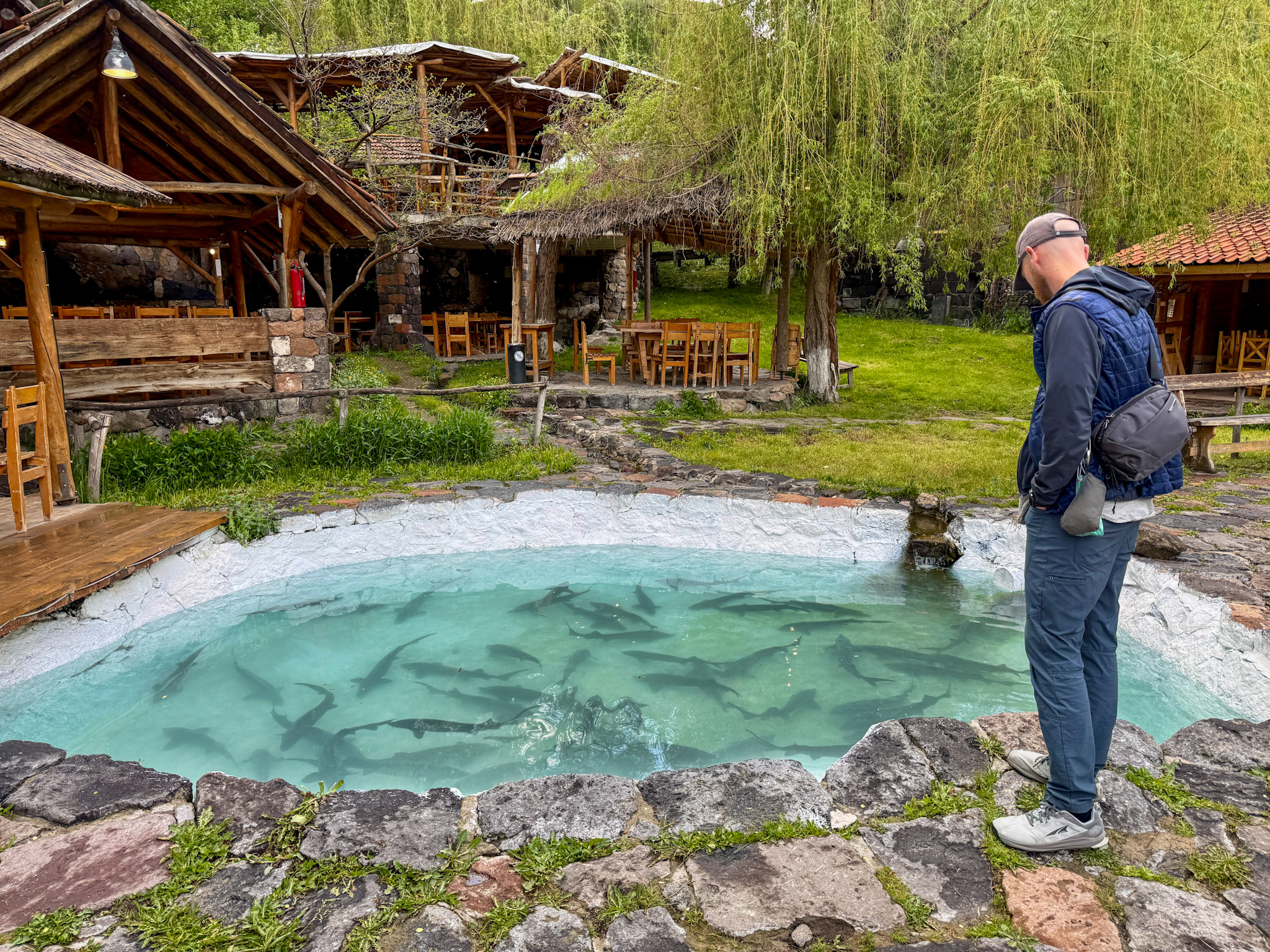
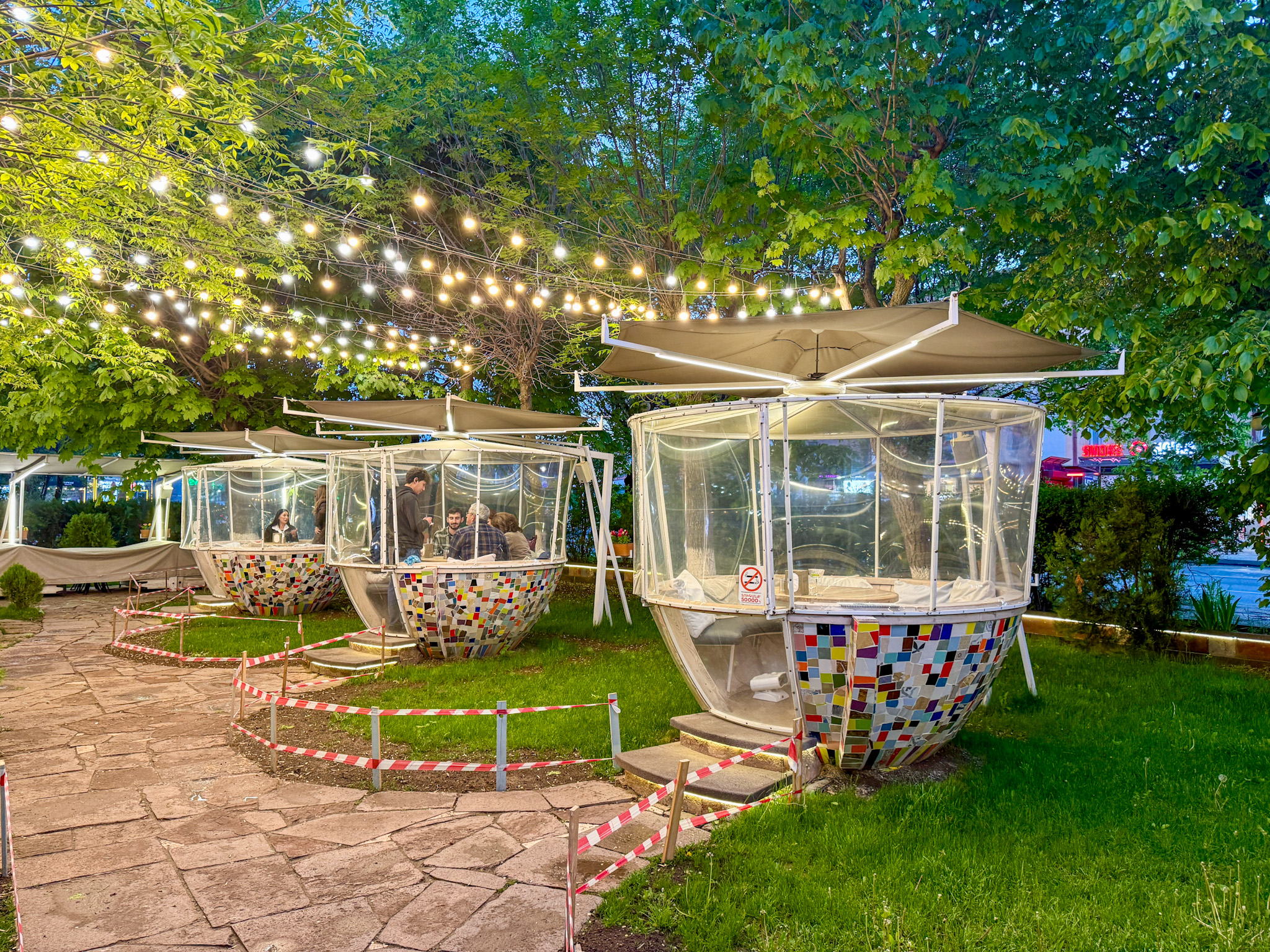
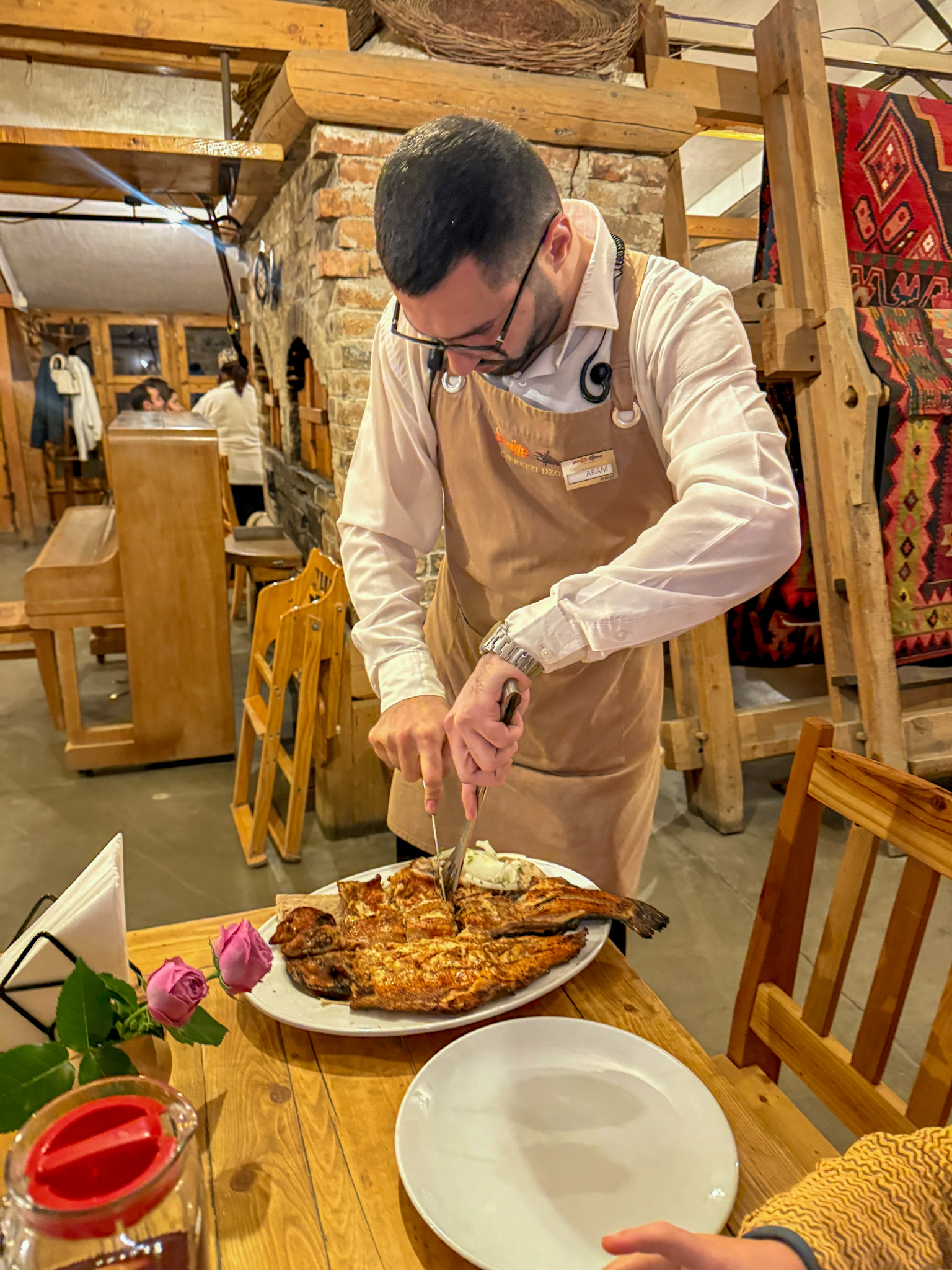
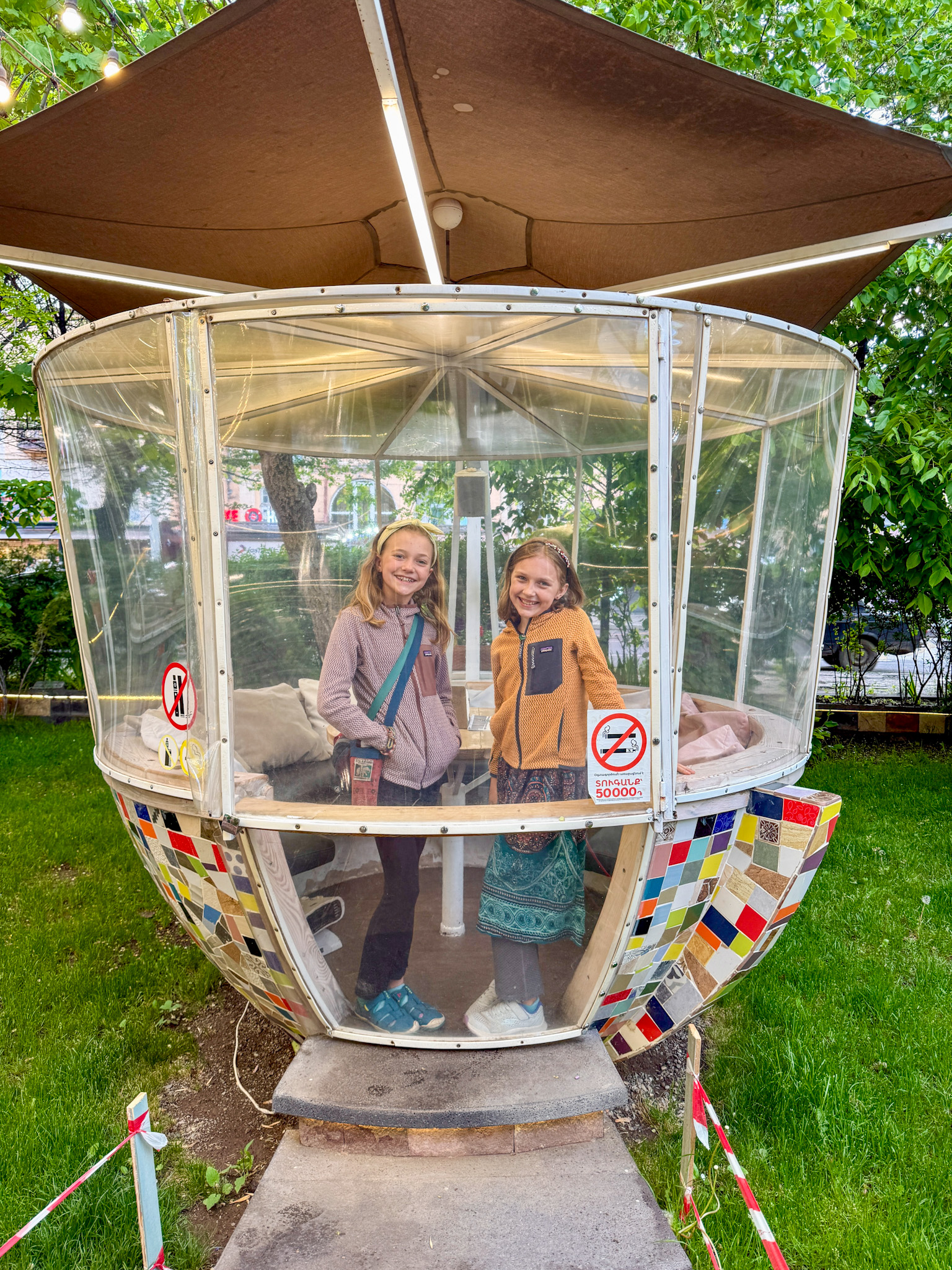
The food in Gyumri delivered one genuine standout, and getting to it required driving out to the edge of town to a restaurant called Cherkezi Dzor. The place is its own little compound, a working trout and sturgeon hatchery with on-site fish ponds, its own apiary and brewery, and a restaurant built around the simple fact that whatever lands on your plate was swimming around just a few minutes earlier. It came recommended by no fewer than a half dozen people: most notably Ben, the Kiwi hiker we met on the Transcaucasian Trail, as well as Aida, the owner of Dolmama restaurant in Yerevan. What threw us a little on arrival was the restaurant’s neighbor—sitting directly next door is the Red Fortress, a sprawling and still-active Russian military base whose silhouette looks lifted straight out of an old video game. Pulling up to one of the country’s most beloved fish restaurants with a Russian garrison brooding over the fence on one side and a herd of trout swimming placidly in ponds on the other is the kind of juxtaposition you have to note but simply must move past. The food more than justified the trip. We ordered almost entirely fish dishes, and while a whole barbecued rainbow trout came out a touch overcooked for our taste, the trout-filled dumplings, which looked an awful lot like ravioli, were the unanimous favorite, especially among the girls. A few glasses of the honey beer they brew on site rounded it out into a fantastic meal.
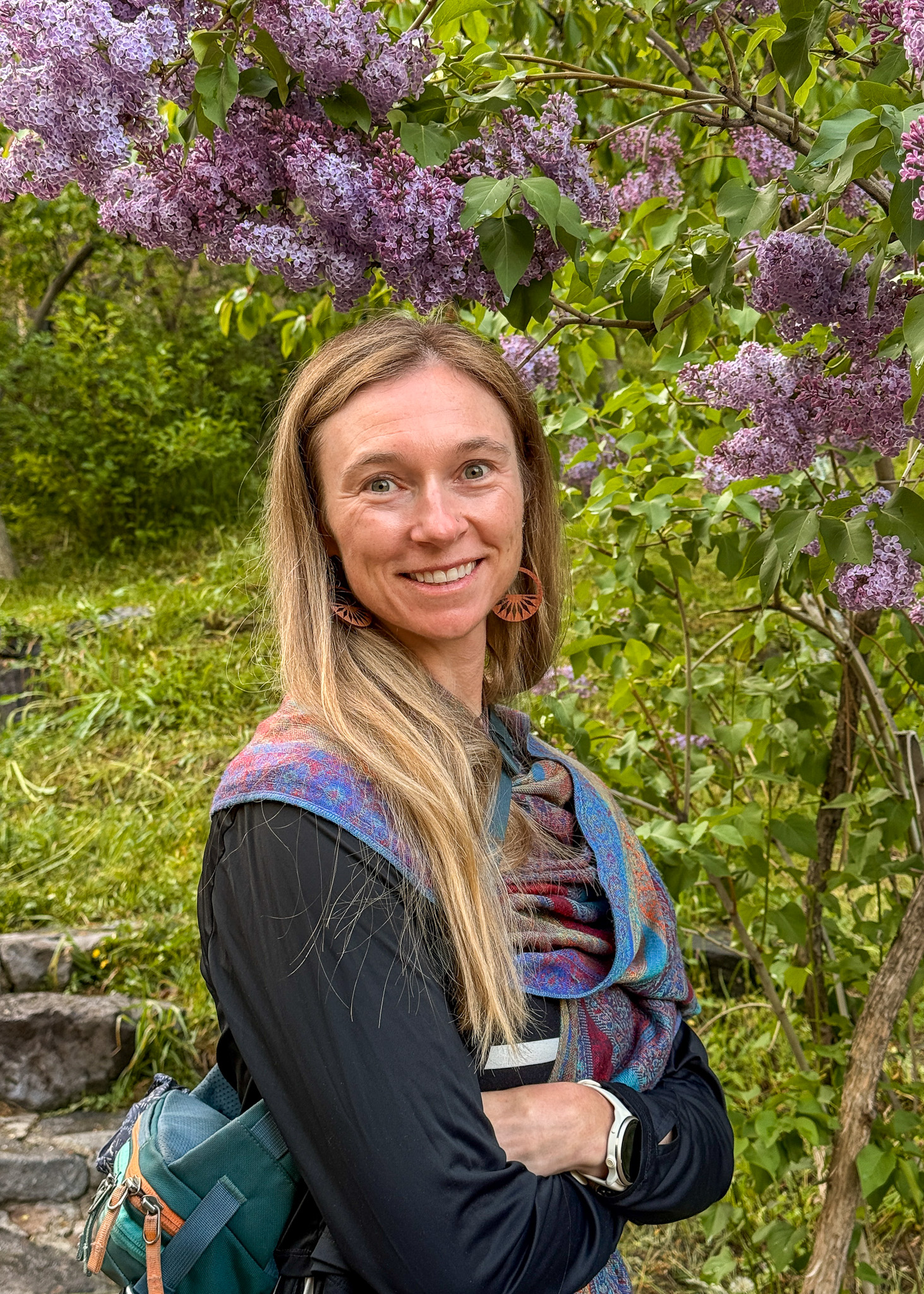
The single most memorable thing we did in Gyumri, though, happened back at that first cathedral on Vardanants Square, the Cathedral of the Holy Mother of God. We’d tried to go inside earlier in the week and couldn’t, but on our return we walked straight into a service in progress, and witnessed a full Soorp Badarak, the Divine Liturgy that is the central act of worship in the Armenian Apostolic Church, with all of its ancient, choreographed grandeur on display. The celebrant priest stood at the altar in heavy gold and jewel-toned vestments, deacons flanking him, one of them swinging a censer in great arcs that filled the church with smoke and the heavy, sweet smell of frankincense. Chanting moved back and forth between the clergy in call-and-response, the ancient hymns called sharakan that have been sung in essentially this same form for over a thousand years. The entire congregation stood on long carpets running the length of the nave, because there were no pews at all, which alone made the whole thing feel different from any Christian service we’d seen. It built to a kind of crescendo when the celebrant lifted a heavy, metal-bound and gold-embossed Gospel book toward an icon of the Virgin and Child, and the whole congregation began crossing themselves and bowing, some raising their hands and lifting their faces upward.
We should explain why an avowedly non-religious family keeps walking into churches like this one. We are not believers, but we are not anything close to militant about it—more curious than anything. And in a country like Armenia, you cannot begin to understand the people without understanding their faith, because it shapes what they wear, what they eat, who they marry and when, and a thousand other daily details. Church is simply where you have to start. So when the service stirred up some real discomfort in Arya, who found it intense to be inside something so charged with belief, we told her she didn’t need to believe a word of it. She just needed to be quiet, respectful, and present, to breathe and observe and try to remember what she was seeing.
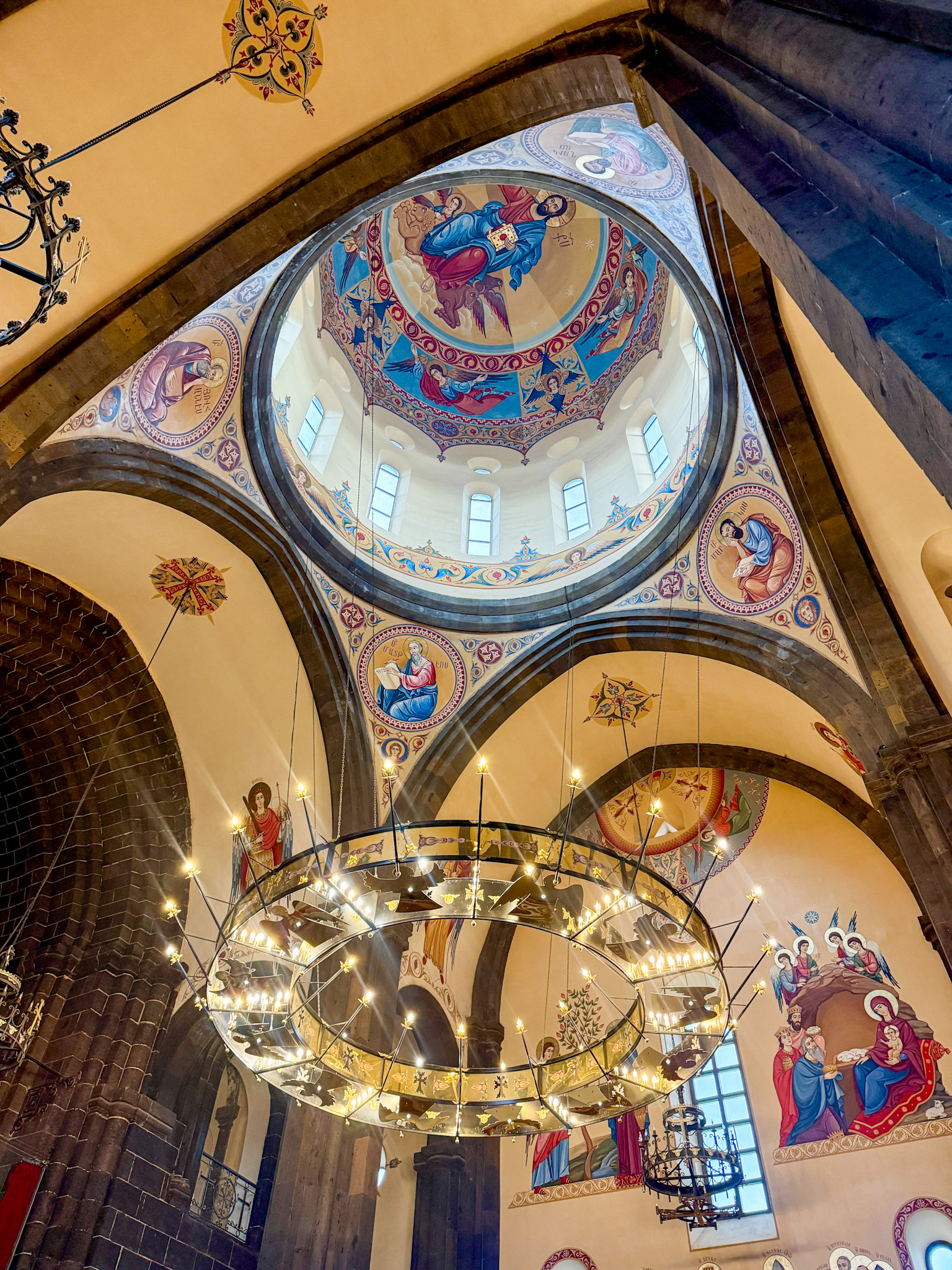
And what we saw next genuinely floored us. After the liturgy ended, one of the clergy held that same metal-bound Gospel at the front of the nave, and the congregation formed two long lines divided by gender, men on one side and women on the other. One by one, each person stepped up, kissed the Gospel, received a blessing, and quietly left the church, the men going first and the women following, until the whole community had filed past in near silence, broken only by soft footsteps and the rustle of clothing. We stepped back outside and took a moment to absorb it. None of us shared the belief behind it, and all of us found it deeply moving anyway, an entire community closing out a service by pressing their lips, one after another, to the same ancient object.
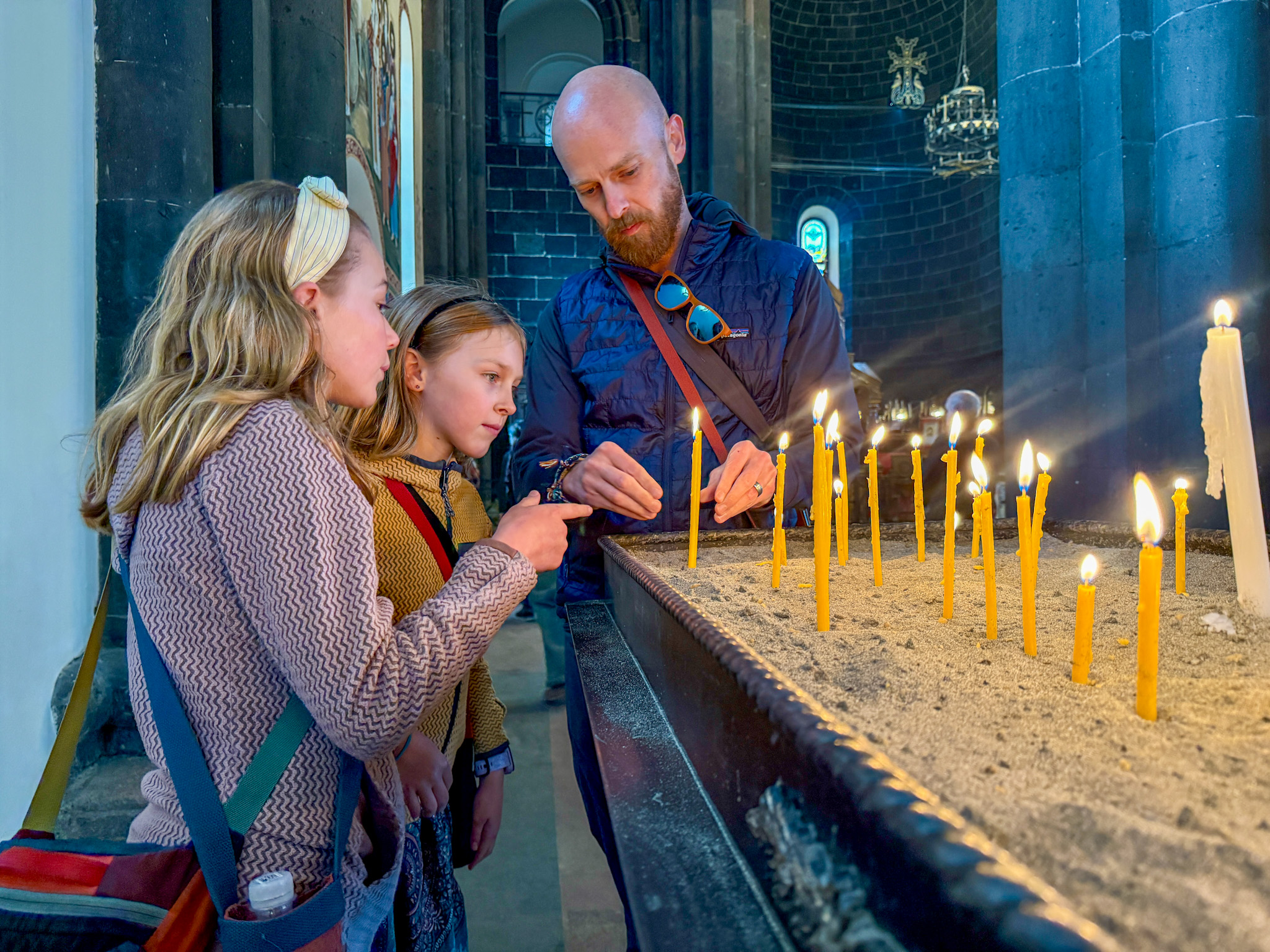
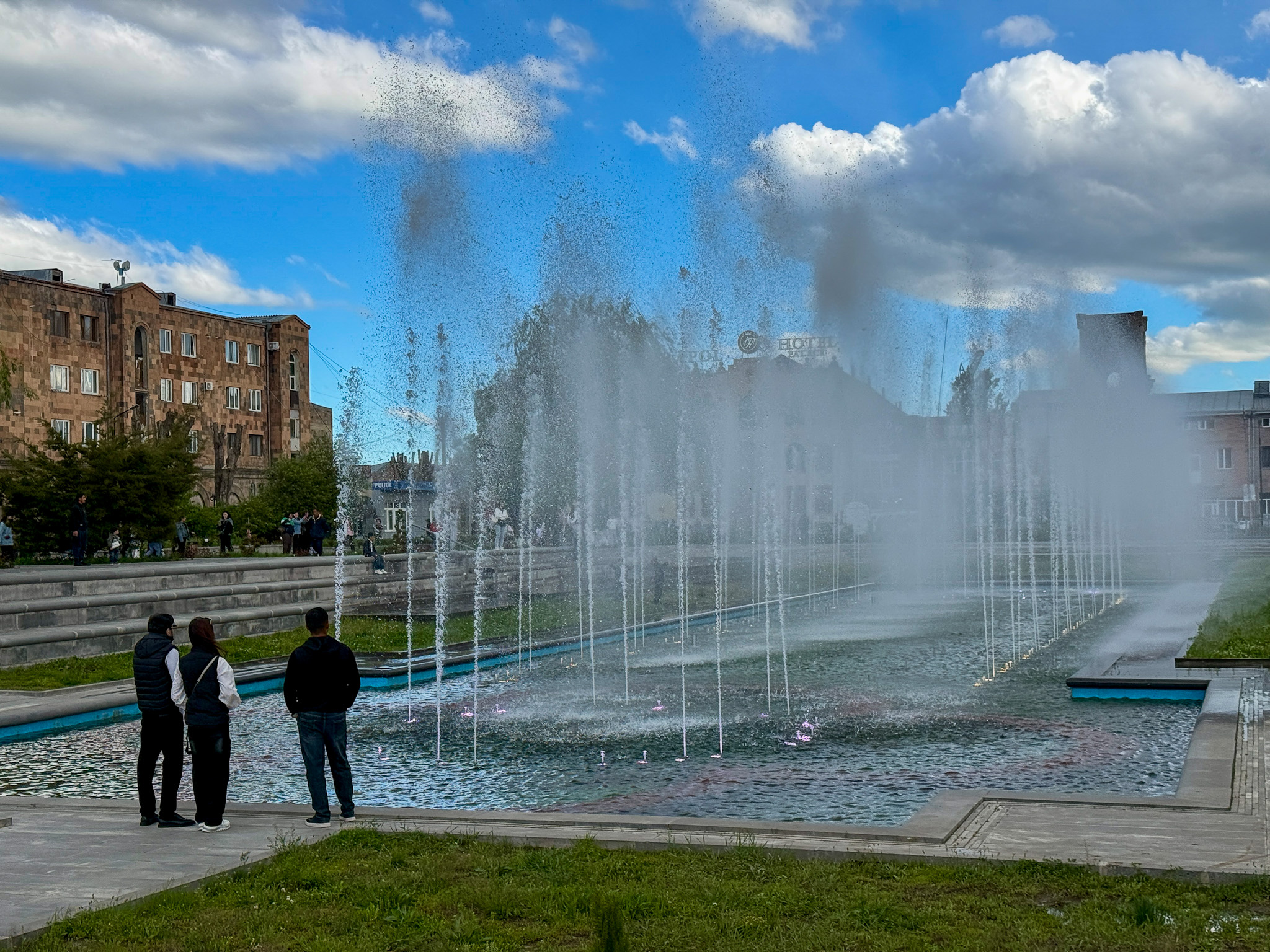
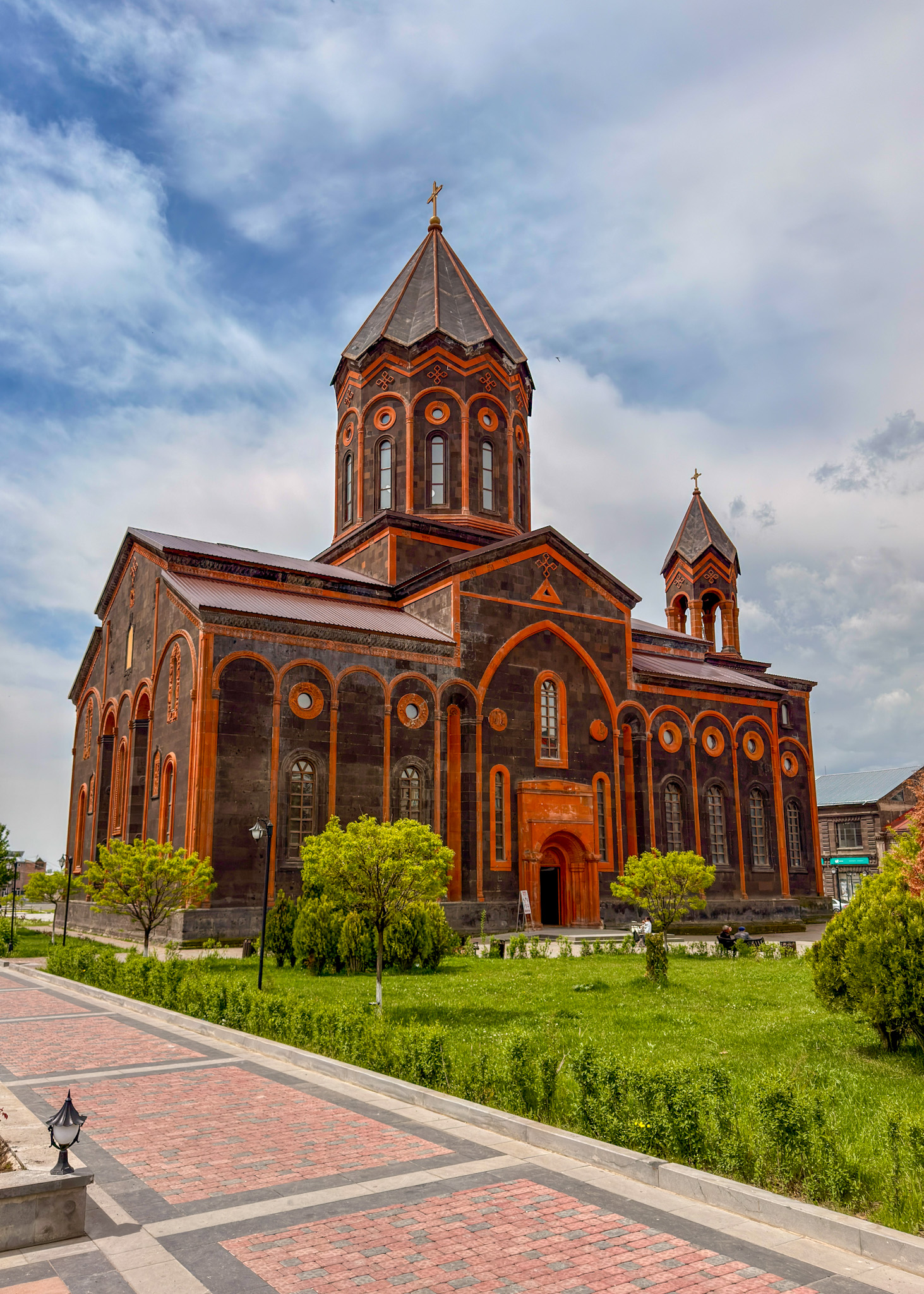
The mood lightened almost immediately, because we heard music drifting from the far side of the nearby Holy All Savior Cathedral and wandered over to find a long rectangular fountain putting on a synchronized water show set mostly to swelling, dramatic classical music. The standout moment came when an enormous burst of jets shot skyward just as a gust of wind raked across the plaza, shoving the entire wall of water sideways onto a cluster of kids and parents watching from the near edge. They scattered in every direction, shrieking and laughing, while the rest of us, safely out of range, enjoyed a wholehearted moment of fountain-enabled schadenfreude. We then went into Holy All Savior itself, which carries the city’s recurring story in its very stones. Originally built in the 1860s, it was toppled by the 1988 earthquake and then painstakingly reconstructed over the following decades, so that its interior today is bright and clean, the ceiling murals looking almost freshly painted, because in the grand scheme of these things, they nearly are. We bought a few candles, lit them, and put some good thoughts out into the universe beneath those vivid ceilings.
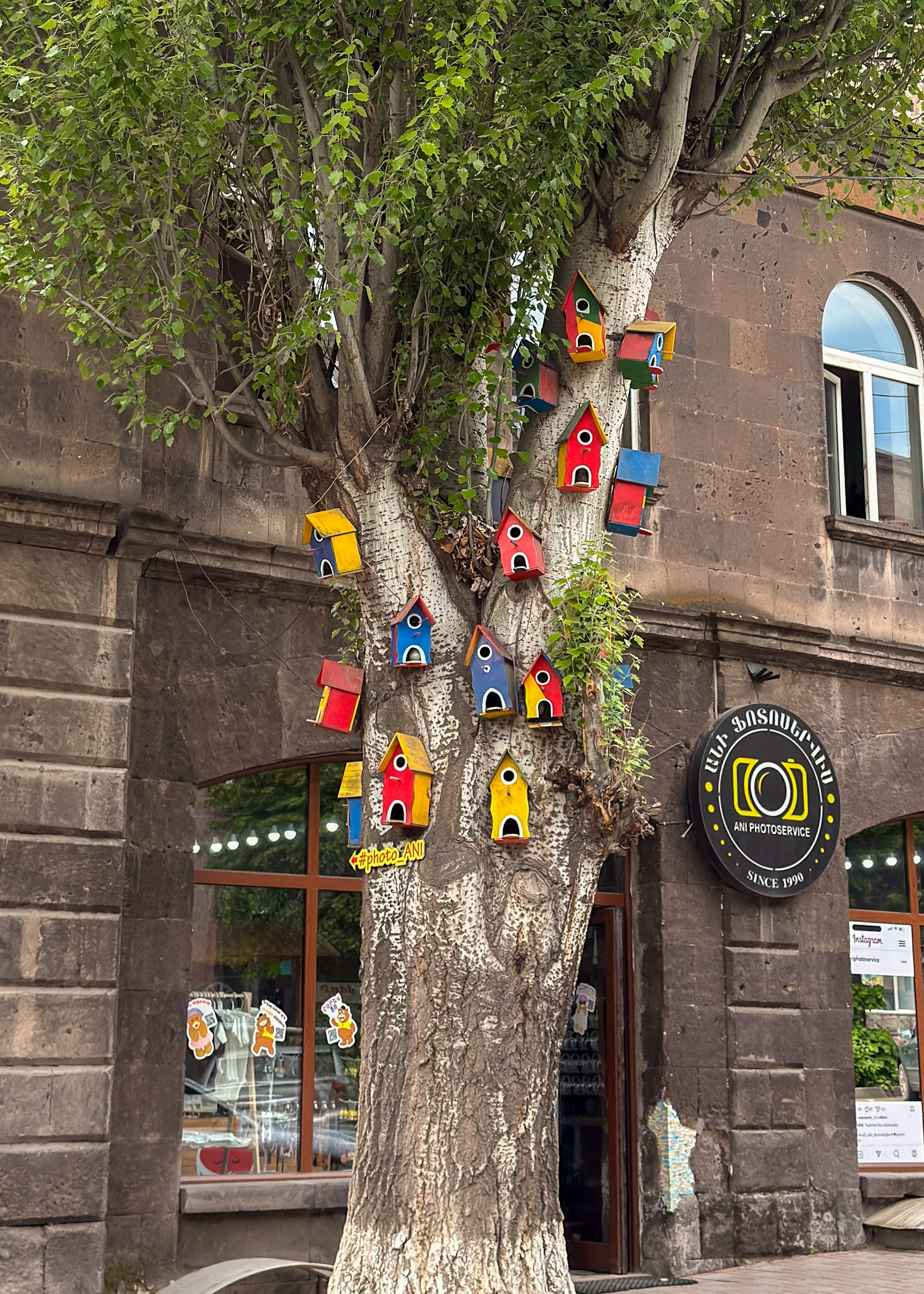
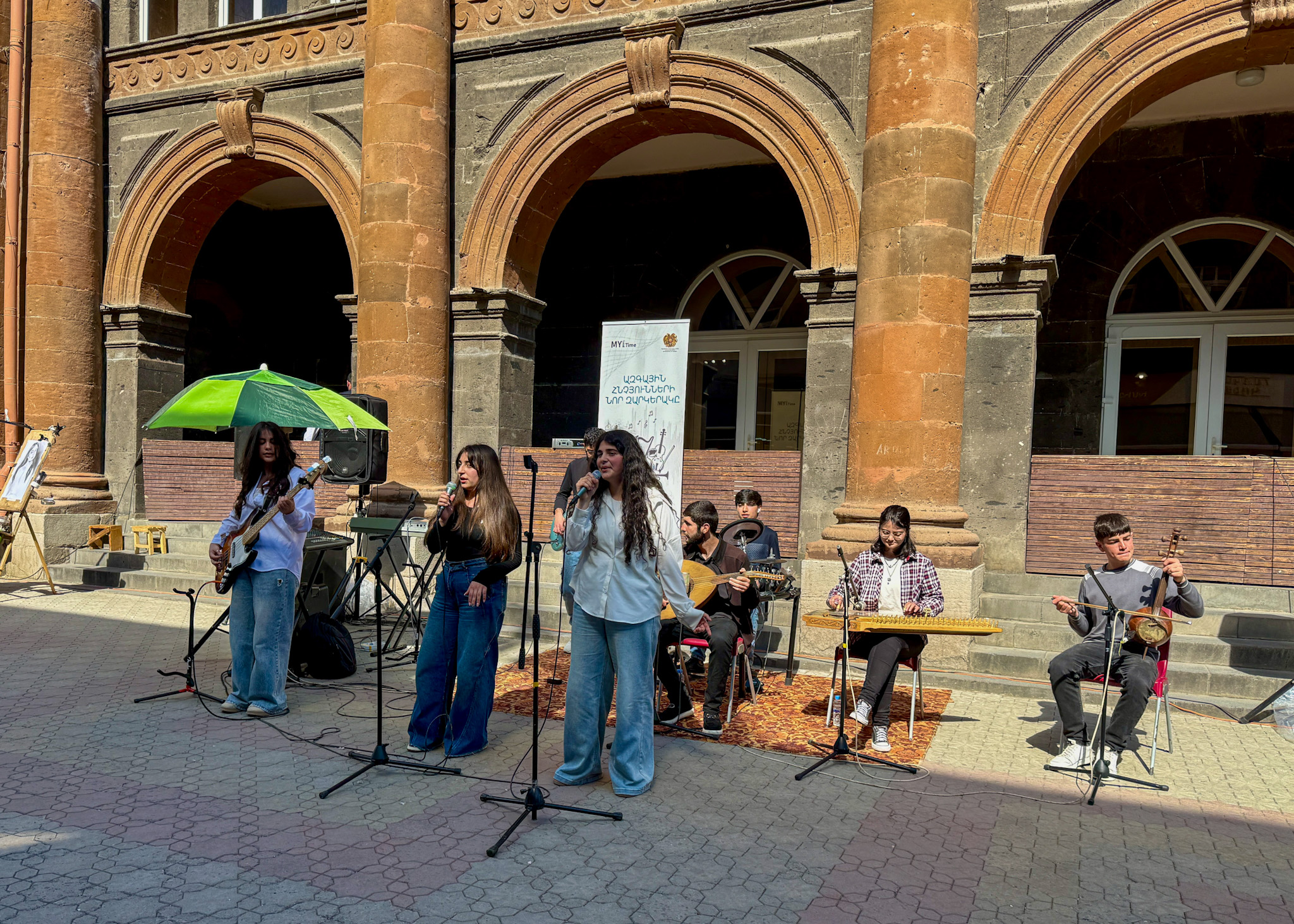
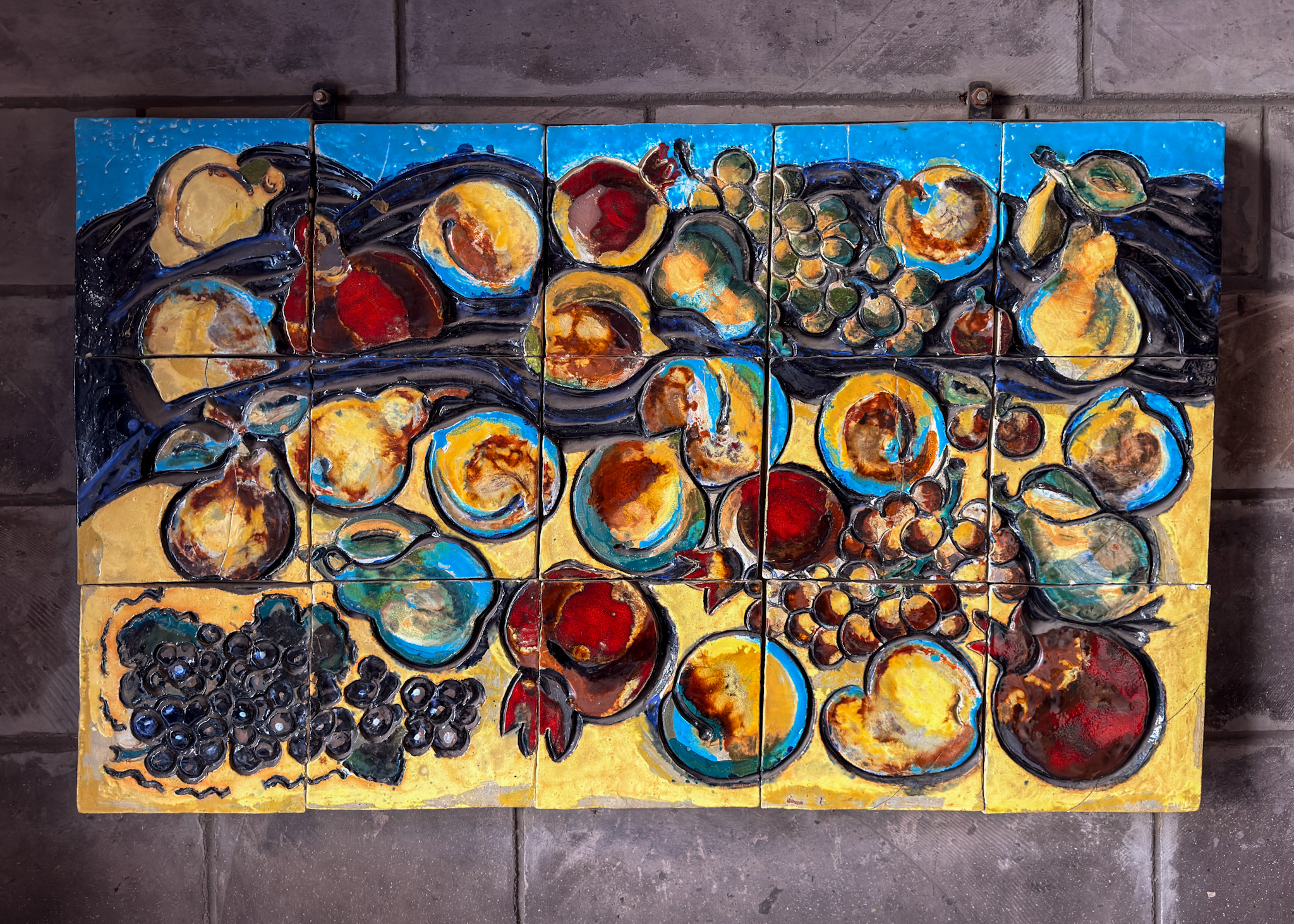
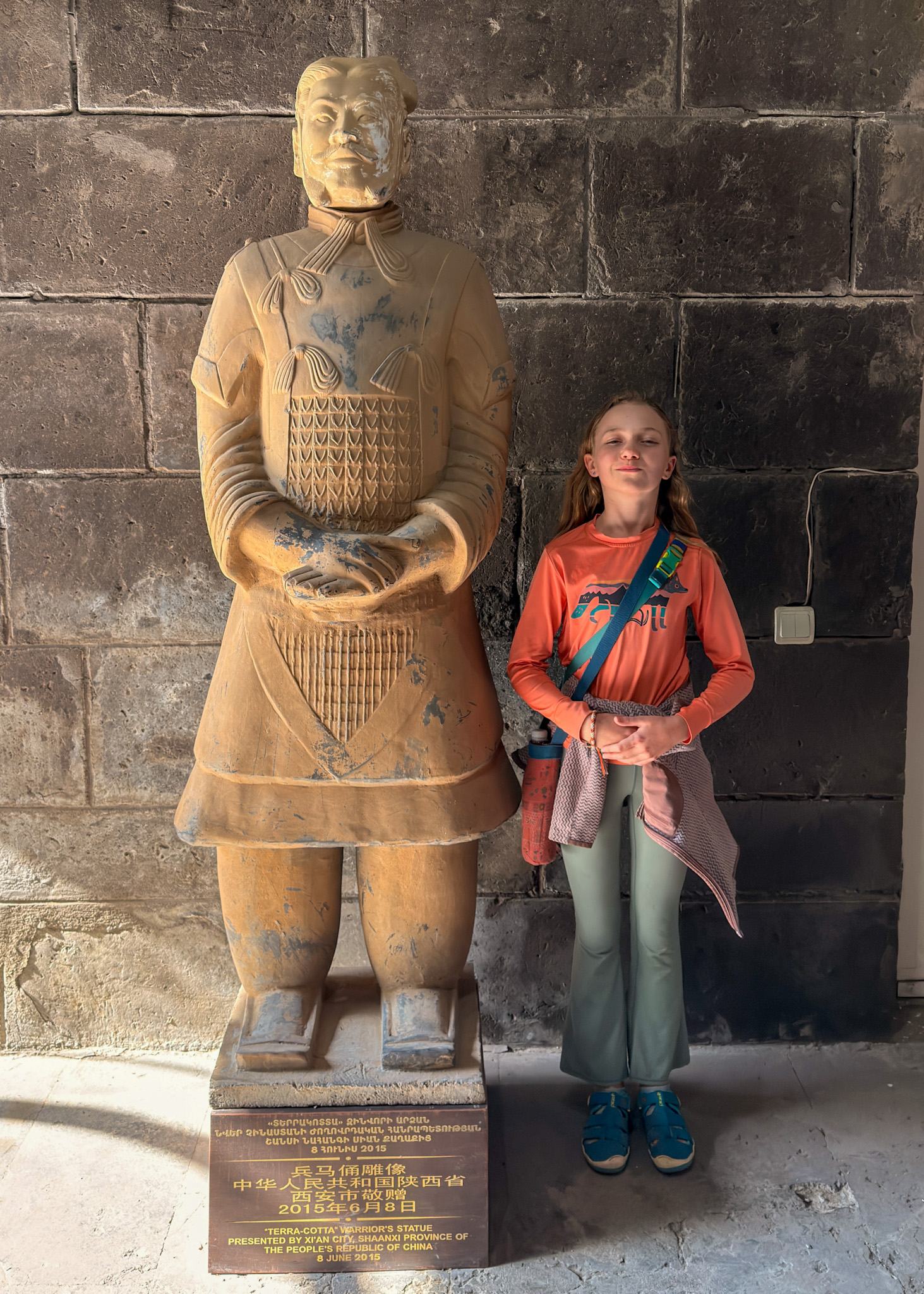
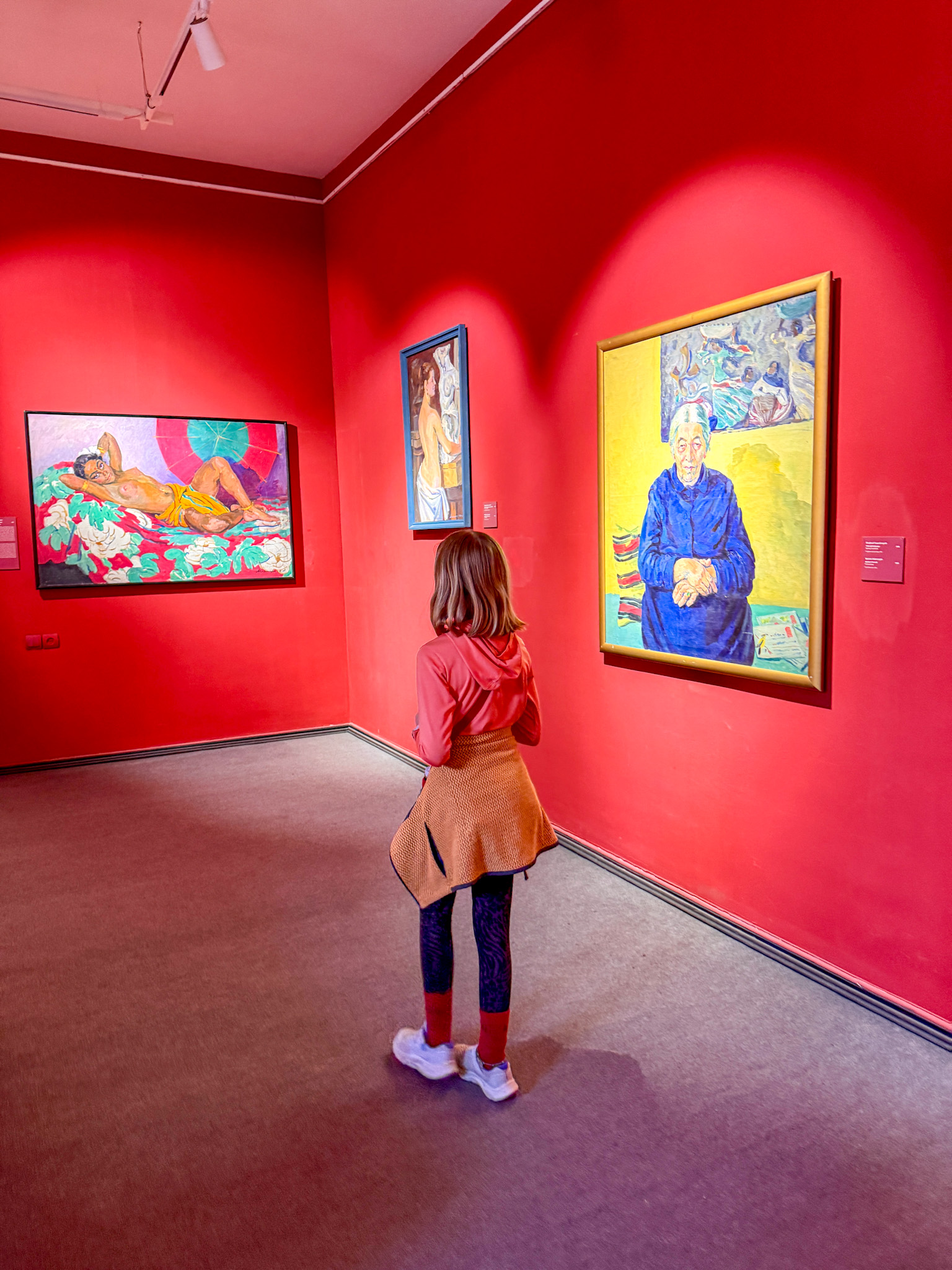
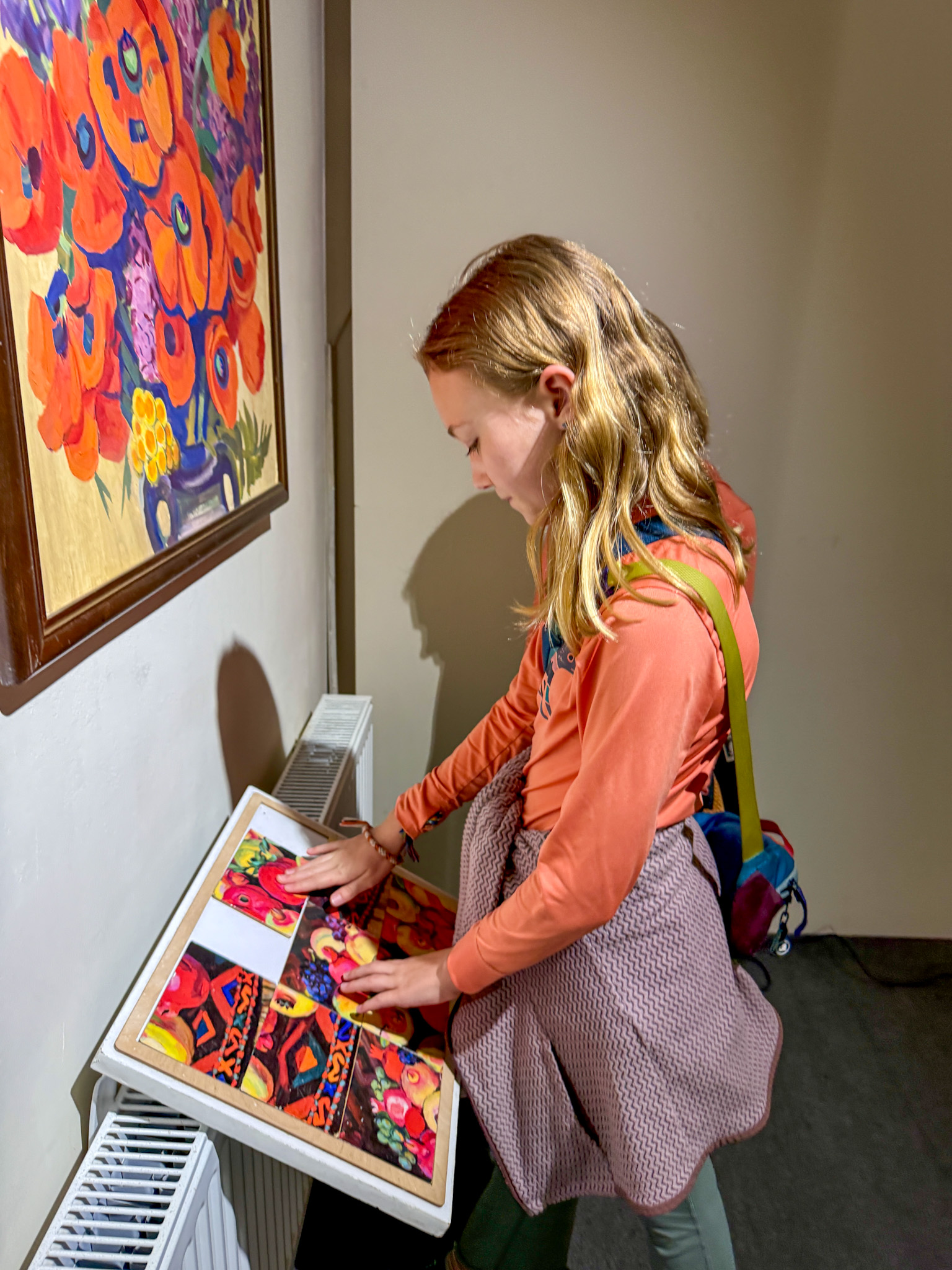
Our last day in Gyumri fell on a sunny Sunday, and the whole town seemed to be out enjoying it. We walked down Abovyan Walking Street, pausing to watch a teenage band play a respectable pop-rock set in the open air while the girls danced along. We ducked into the Gallery of the Aslamazyan Sisters, a type of “house museum” (a unique type of small format museum common in the Caucasus), which turned out to be a real find. Mariam and Yeranuhi Aslamazyan were two Armenian painters, born in 1907 and 1910, who became among the most prominent female artists of the Soviet era. The former was known warmly as “Armenia’s Frida Kahlo,” and remarkably for the time, she and her sister traveled relentlessly—painting in India, Japan, Egypt, Cuba, Madagascar, and dozens of other places, at a moment when neither women nor Soviet citizens generally roamed the planet freely. Much of their work was a quiet, lifelong project of portraying women from around the world. They donated more than 600 pieces to Gyumri in 1987, and those works now fill a beautiful 19th-century merchant’s house, all humming with the bright color the sisters were known for. Shaina found a pair of handmade earrings she loved in the gift shop, and we moved on.
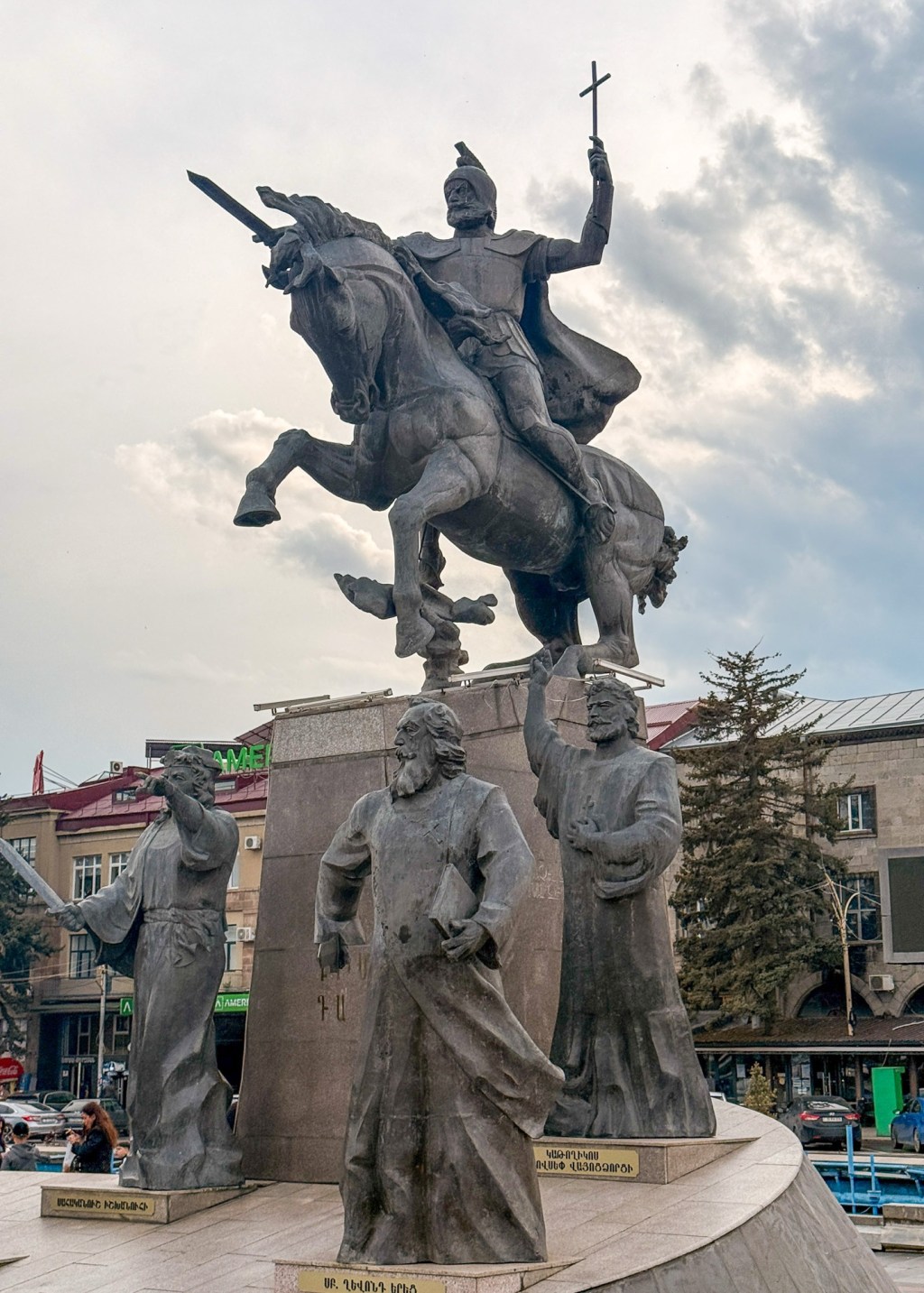
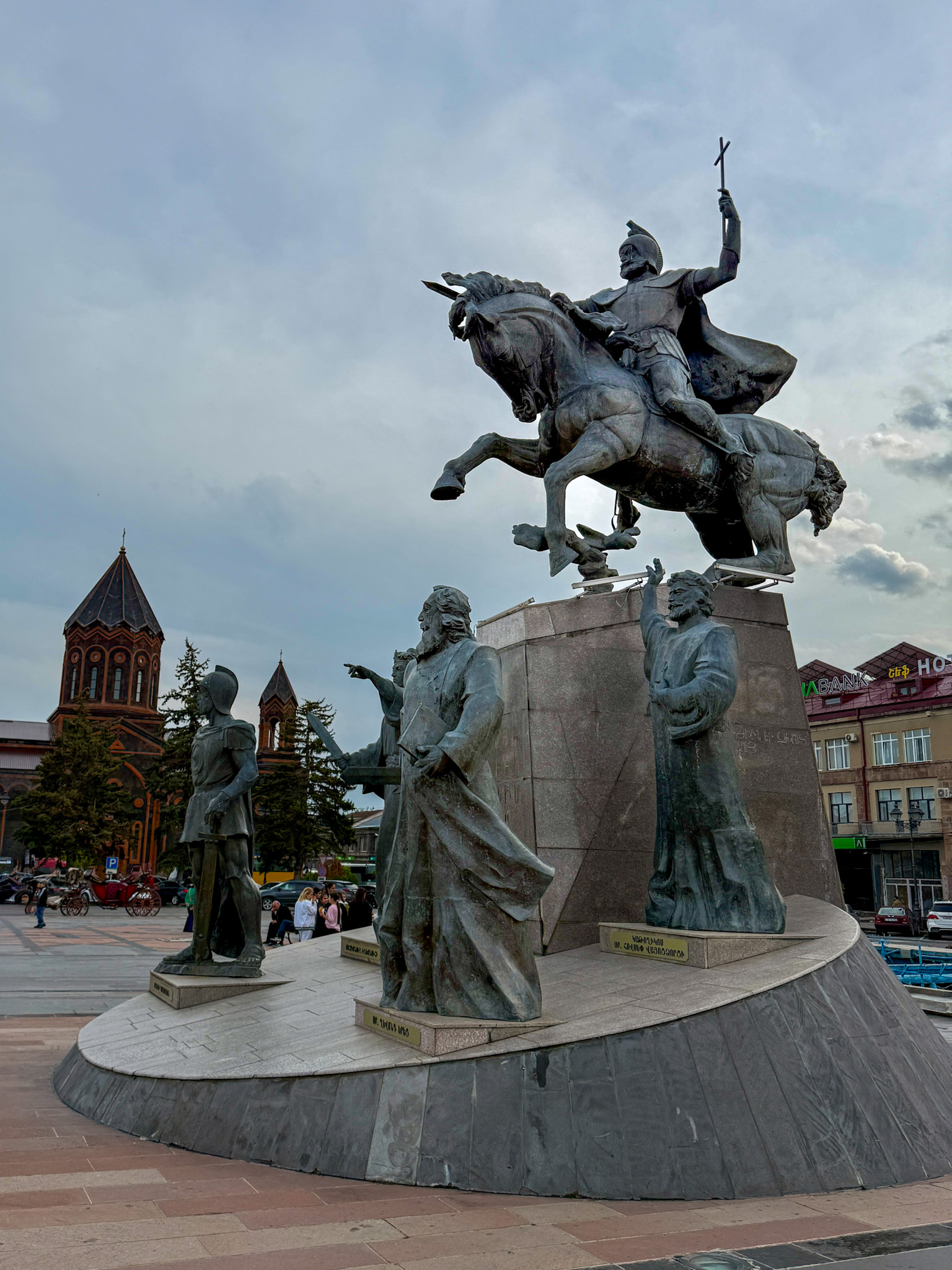
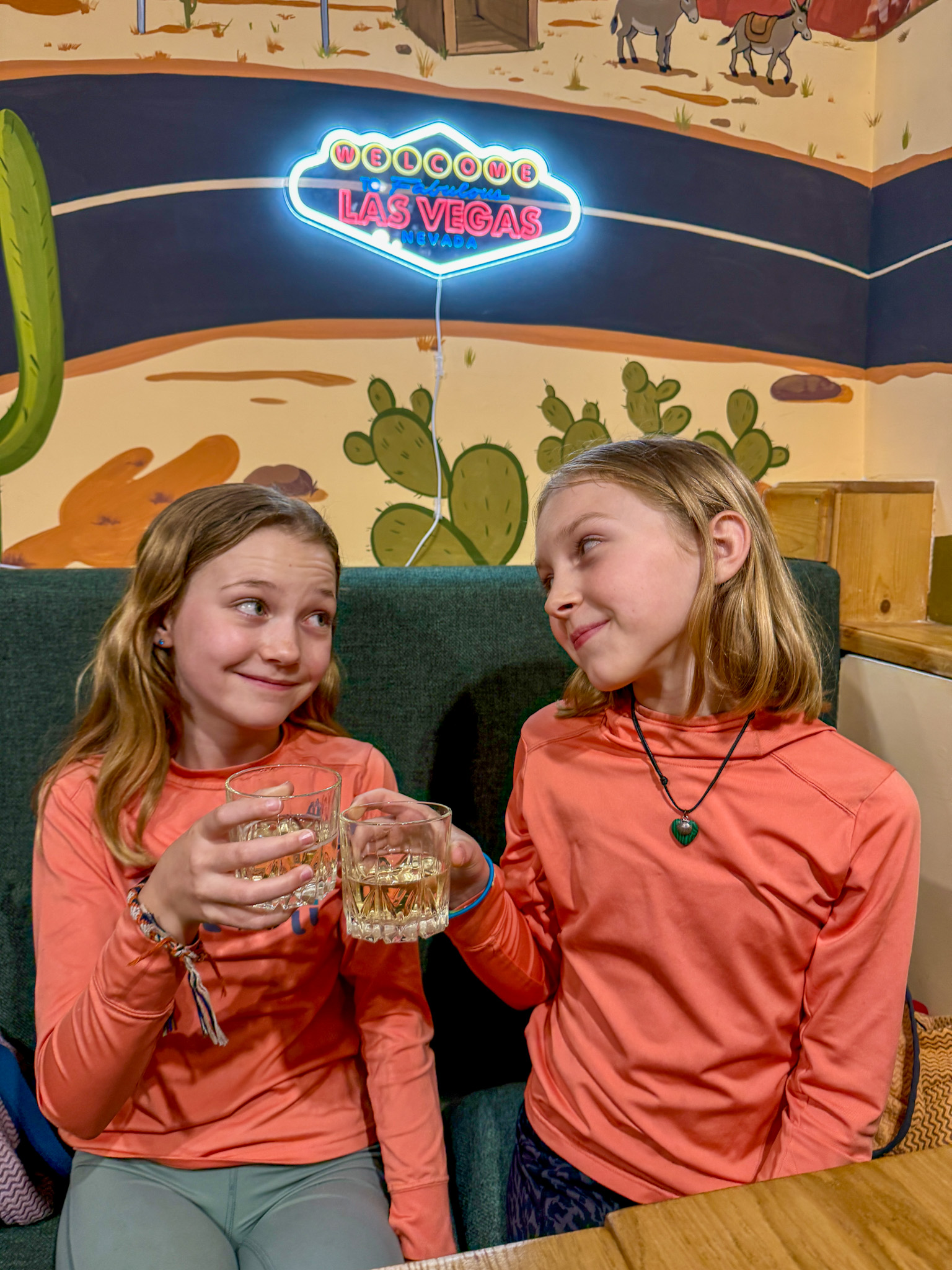
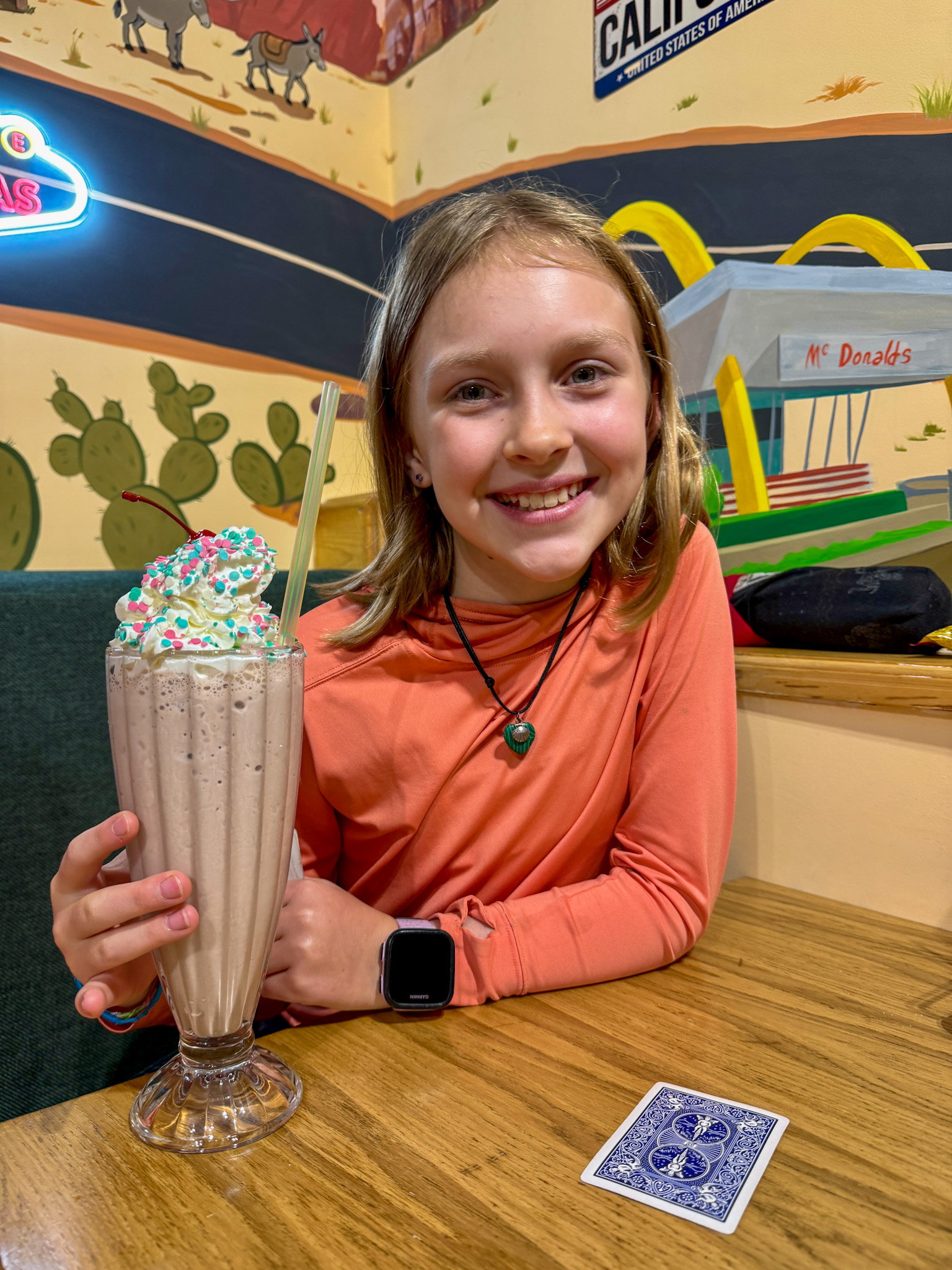
For our farewell meal to Armenia we went completely off-script and chose the Route 66 Diner, an American-style spot serving exactly the burgers, fries, and pancakes the name promises, transplanted improbably into Gyumri. Our server Armand was fantastic, and the atmosphere was funky and fun—we were surrounded by hand painted murals of the Wild West, harking back to our fond memories of Roadrunner and Area 51 cartoons. Although the food was only a little above average, we got into such a good groove playing cards between bites that the meal was a roaring success anyway. Walking back afterward, we crossed Vardanants Square, the central plaza anchored by the city’s two great cathedrals and named for Vardan Mamikonian, the fifth-century Armenian military hero who led his people at the Battle of Avarayr in 451 AD against the Persian Sassanid Empire in defense of Armenian Christianity. He lost the battle and yet, in the way that matters most, won the war, because Armenia kept its faith. He remains one of the central figures in the Armenian imagination, and standing in his square, it was hard not to see the whole pattern of this place in him, a country and a city that have lost battle after battle, to empires and to earthquakes, and have stubbornly kept getting back up and holding on to who they are.
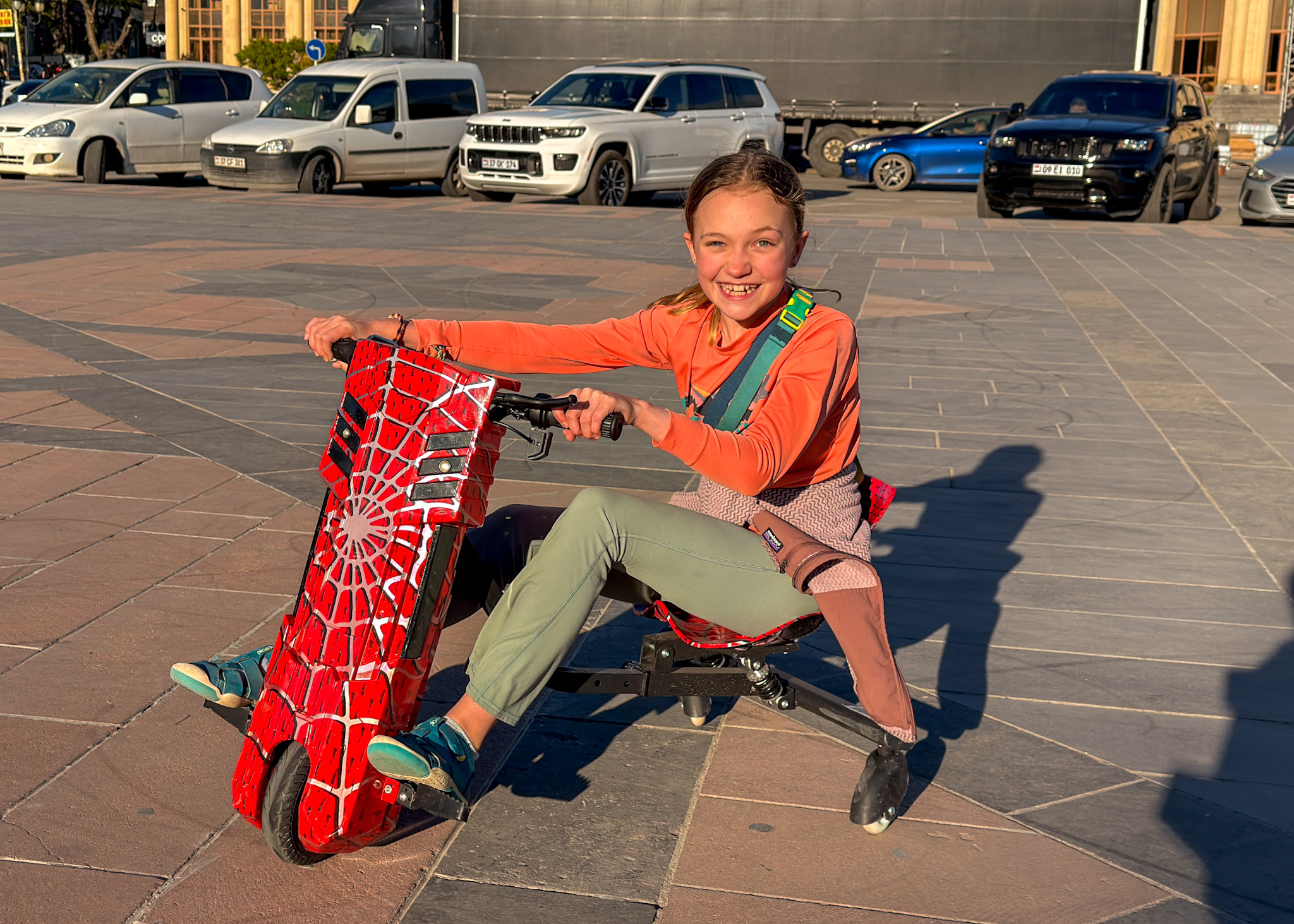
The square gave us one last bit of joy. A horde of kids was zipping around on tiny three-wheeled electric scooters available to rent, and Arya, ever the thrill-seeker, lobbied hard for a turn. A few dollars later she was tearing across the plaza on a bright red scooter that seemed engineered to be barely controllable, spinning from one accidental 360 into the next, absolutely glowing. While she did, Shaina and Finlee slipped off to Ponchik Monchik one final time for a farewell box of chocolate-filled ponchiks, closing the loop on the very first thing we’d done in Gyumri. Back at the hotel, we tore into them like a pack of starving beasts before settling in to pack for the morning’s departure.
Armenia has been so much more than we expected when we tacked it onto this trip. Astonishing hikes, a beautiful walkable capital loaded with art, ancient churches doing things essentially the way they have done them for 1,500 years, hospitality from near-strangers around fire pits and picnic tables, and the best desserts we’ve had in ages. And Gyumri, a city that has been knocked flat and built itself back up more than once, turned out to be exactly the right place to end the chapter, sending us off full of fried dough and good feeling.
Thank you, Armenia. You were good to us.
Now, back to Georgia.
 Pause and Wander
Leave a comment