
Dates: March 4th – 9th, 2026
Place: Taipei, Taiwan
We’d been to Taipei before, back in the early weeks of Taiwan, so returning felt less like arrival and more like coming back to something familiar. We knew the metro system. We knew the food. We had a list of things we’d liked and wanted to do again, and a shorter list of new things to find. It was a good feeling — the particular comfort of a city you’ve earned a little familiarity with.
The city wasted no time reminding us it still had surprises up its sleeve.
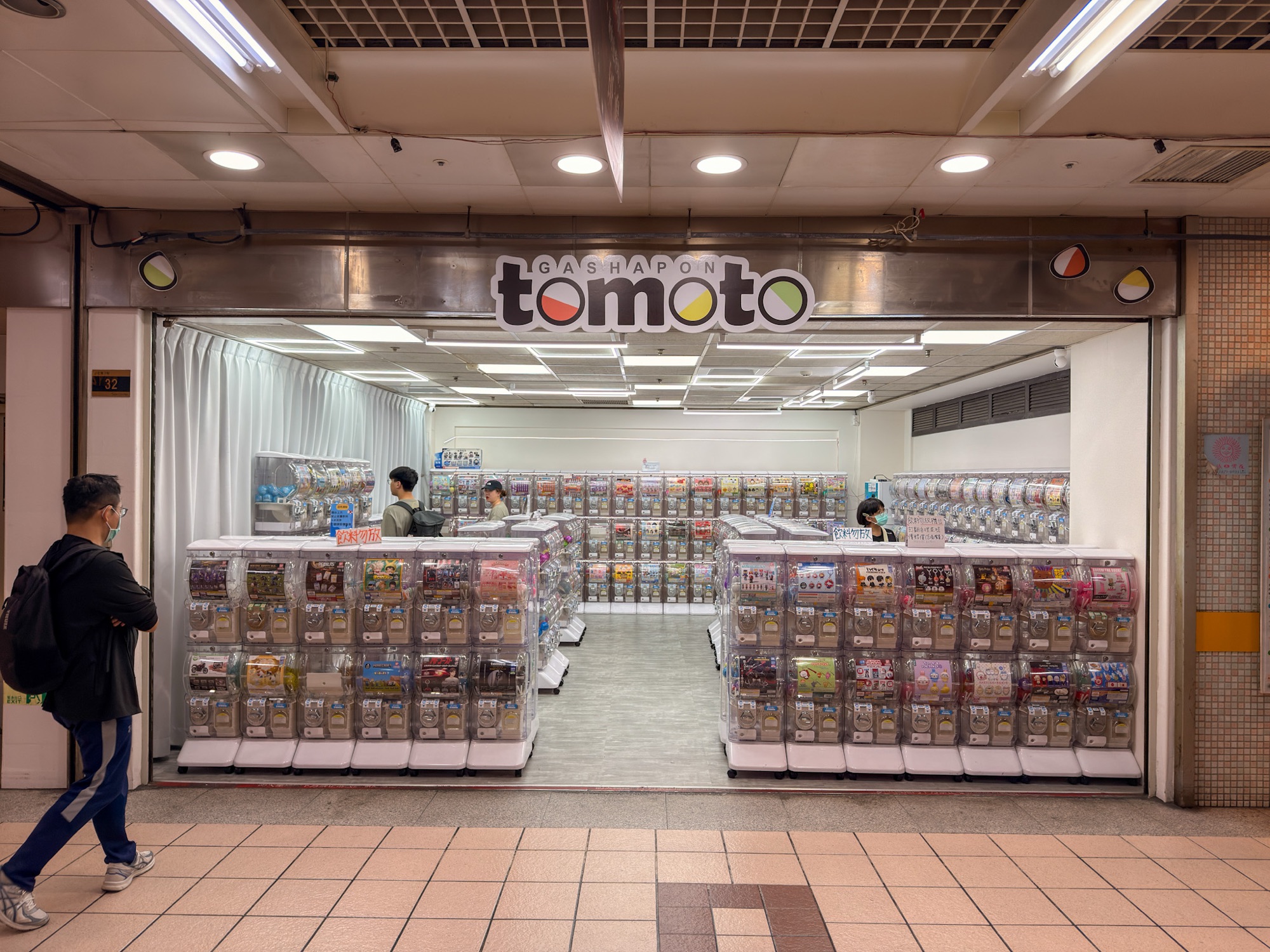
Getting from Taipei Main Station to our Airbnb required navigating out through an underground shopping mall, which sounded straightforward until we were actually inside it. The mall was a single straight hallway that ran underground beneath a major thoroughfare above. It extended further than we could see, and it was composed almost entirely of three types of stores. The first were shops dedicated to gacha machines — those vending machines outside grocery stores that dispense small plastic balls containing tiny collectibles. Normal life has one or two of these near a checkout counter. This mall had entire stores containing hundreds of them wall to wall, and at least twenty of those stores in a row. The second type was video game merchandise. The third, and strangest, were shops selling stuffed animals, figurines, and every conceivable variety of merchandise featuring entirely cats or capybaras. Taiwan has a deep cultural affinity for cats — Taipei opened the world’s first cat cafe back in 1998 — and capybaras have become a beloved internet sensation here. Why? Because of what Taiwanese people call 醜得可愛, or “ugly cute”, just like the Chinese Tank Cat, or the short-legged caricature of a cat, that we saw in Tainan. Every single one of these kitschy stores was packed full of people, who were buying this stuff in serious quantities while the five of us tried to push through with roller bags and backpacks like salmon going upstream. Arya, after several minutes of this, delivered her verdict: “This is just too much. I am not a fan.” We put our heads down and kept going.
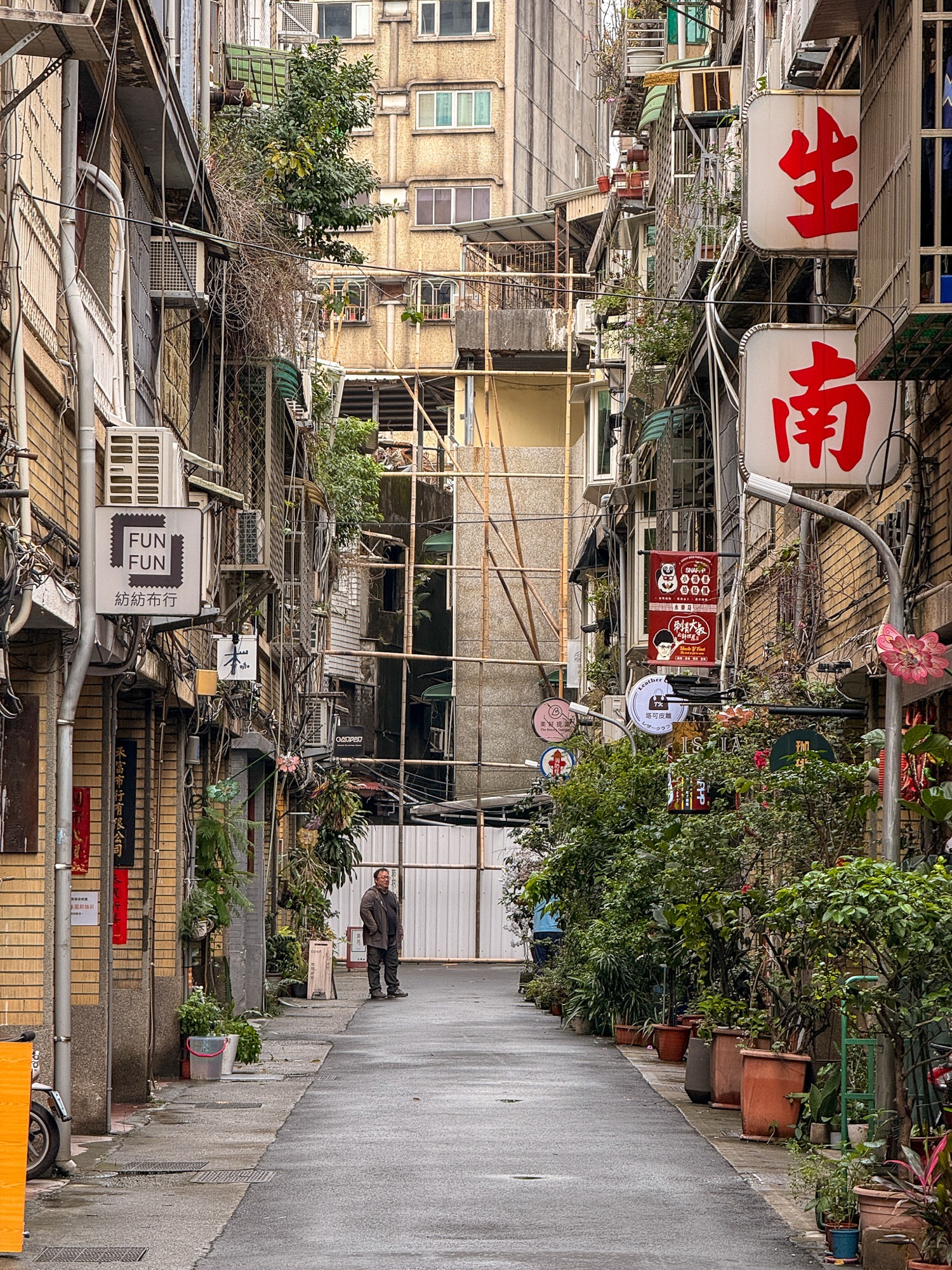
After fifteen minutes of aggressive walking, everyone trying to keep up with Shaina as she weaved through the hoards of humans, we emerged onto a Taipei street that smelled like petrichor at a lovely 72 degrees. Another fifteen minutes of walking brought us to a tiny Airbnb that still managed to provide three closet-like bedrooms, a good homework table, a seating area built for Kings and Cabbages, and — after Sun Moon Lake had lowered the bar so dramatically — the complete and total absence of any sewer smell.
Missi settled in, looked around at the new space, and asked what she should wear tomorrow.
This is Missi’s one travel quirk. In every other respect she is the ideal companion — game for anything, zero complaints, no drama whatsoever, willing to hop on a scooter or climb a mountain or eat something unidentifiable with equal composure. But she always asks what to wear. Max, who has been rotating through a single pair of pants for seven months and genuinely cannot conceive of having more options than that, had no useful answer to this question and has long since stopped attempting one.
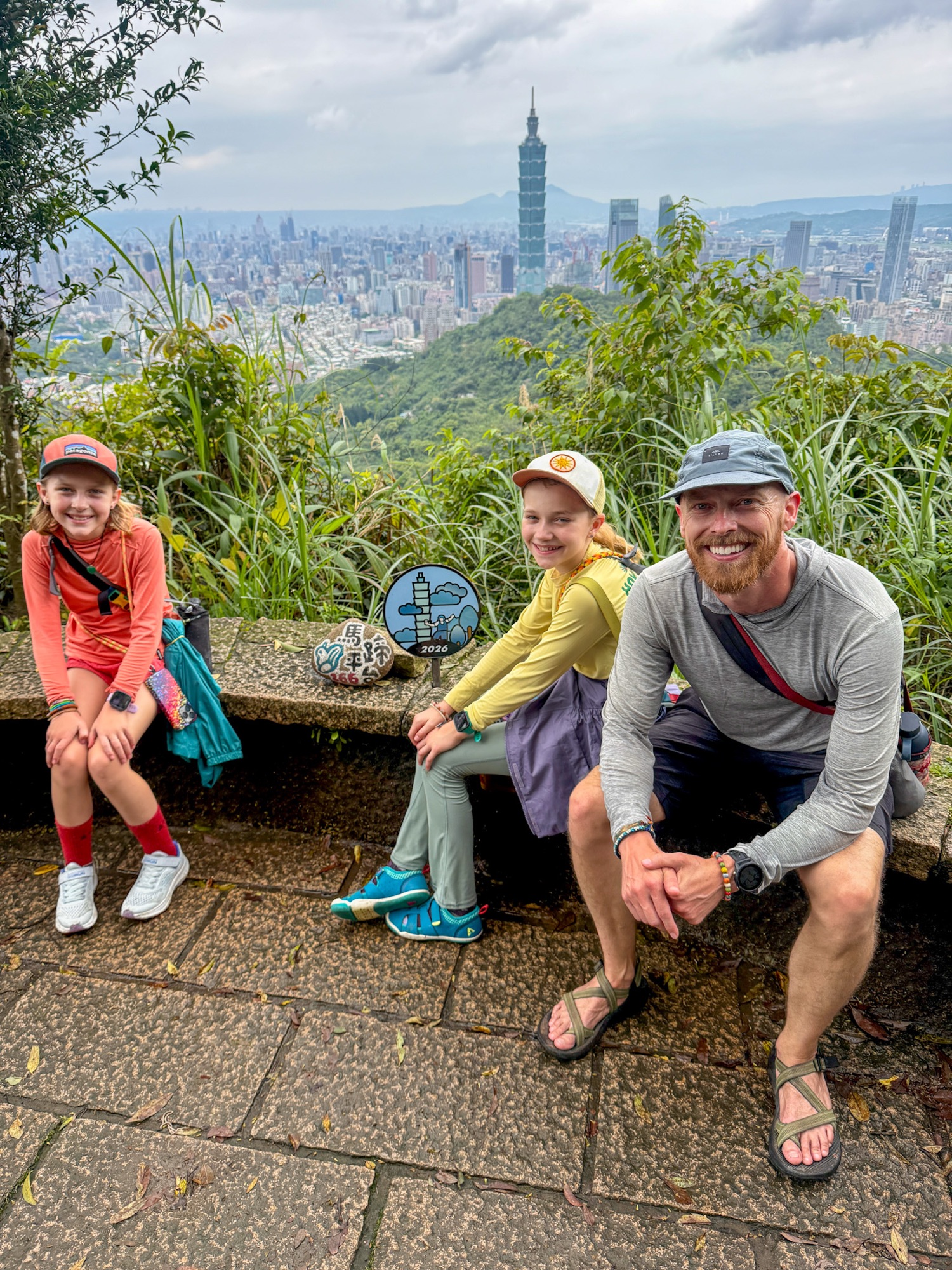
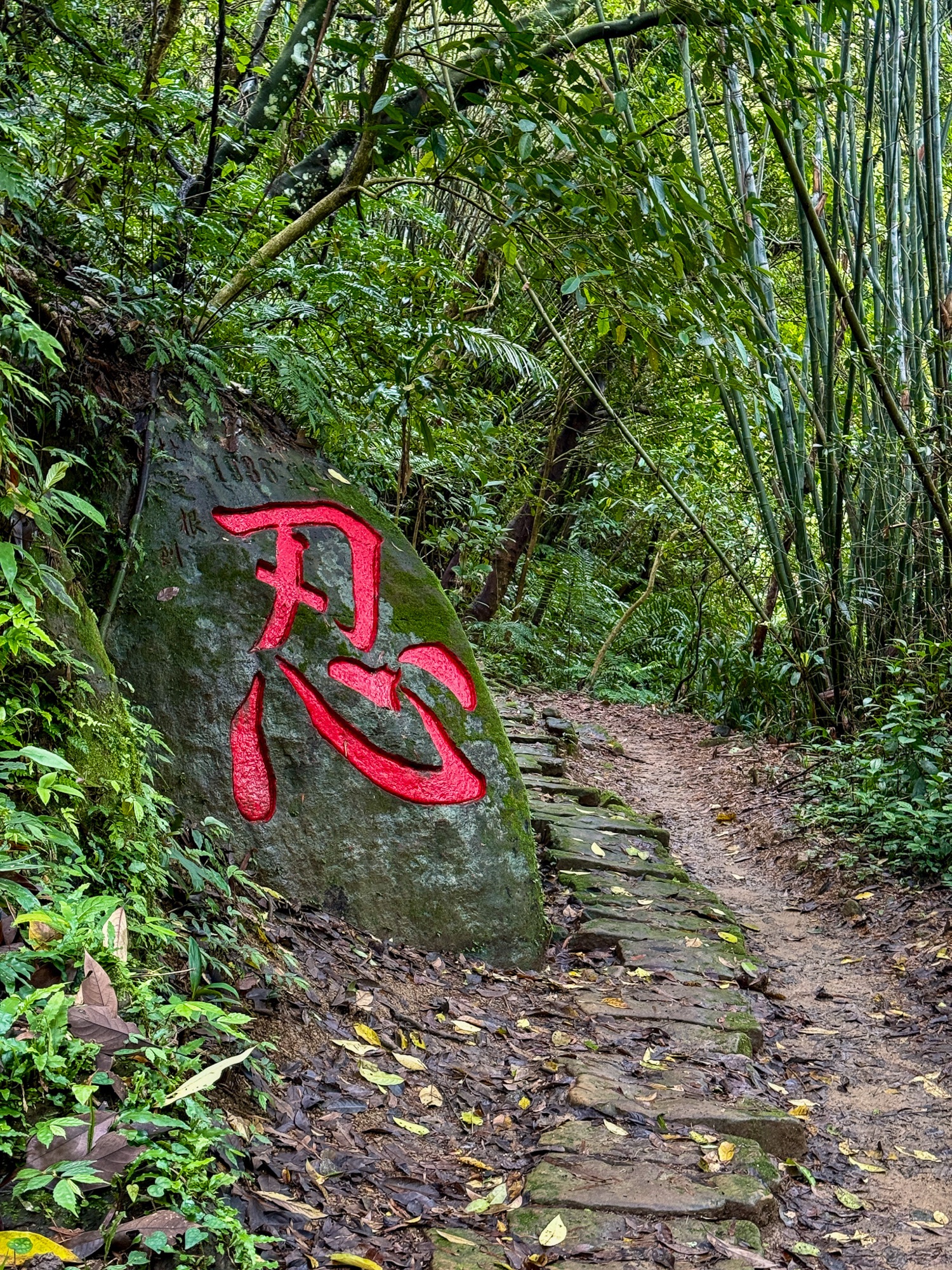
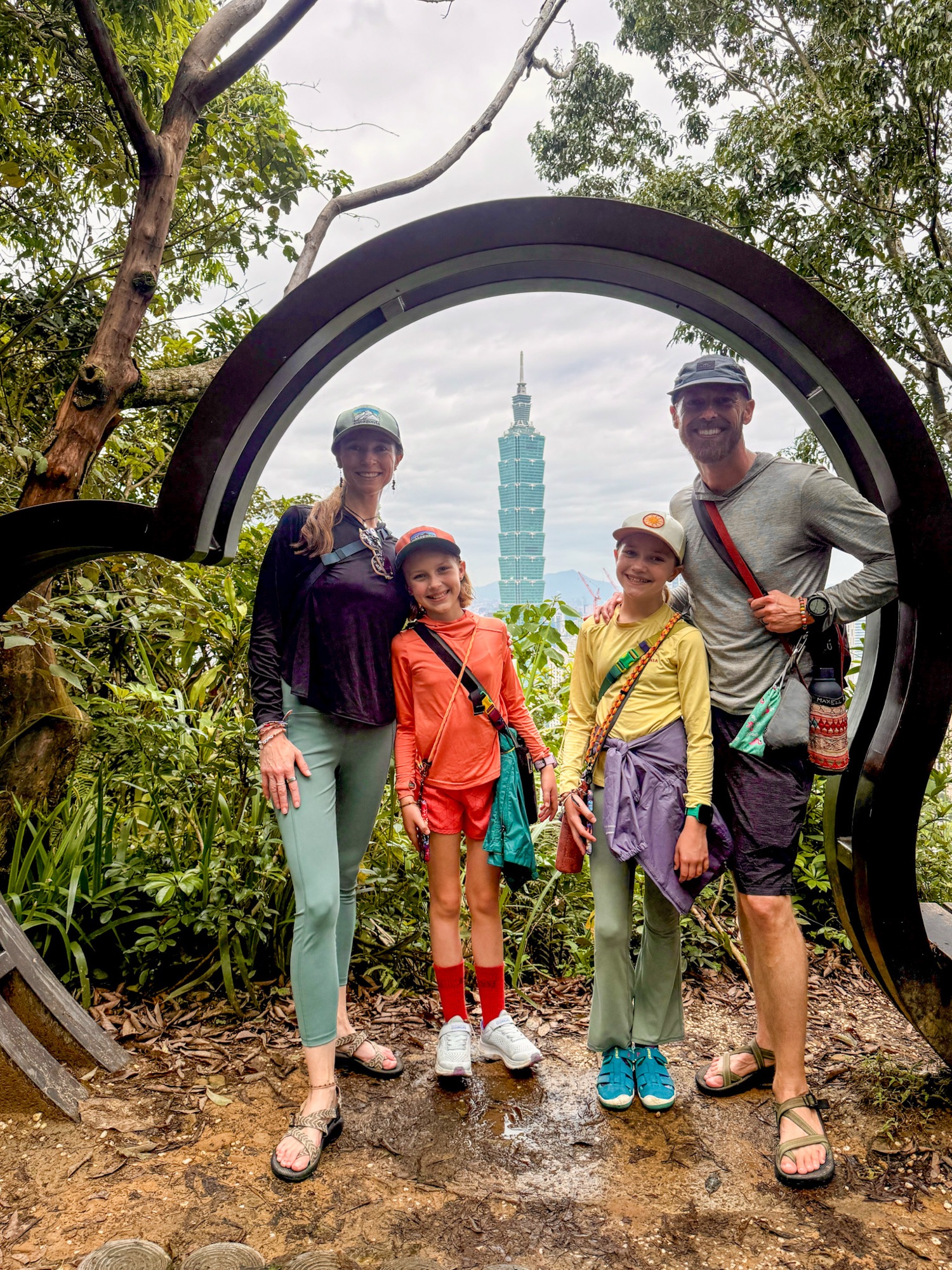
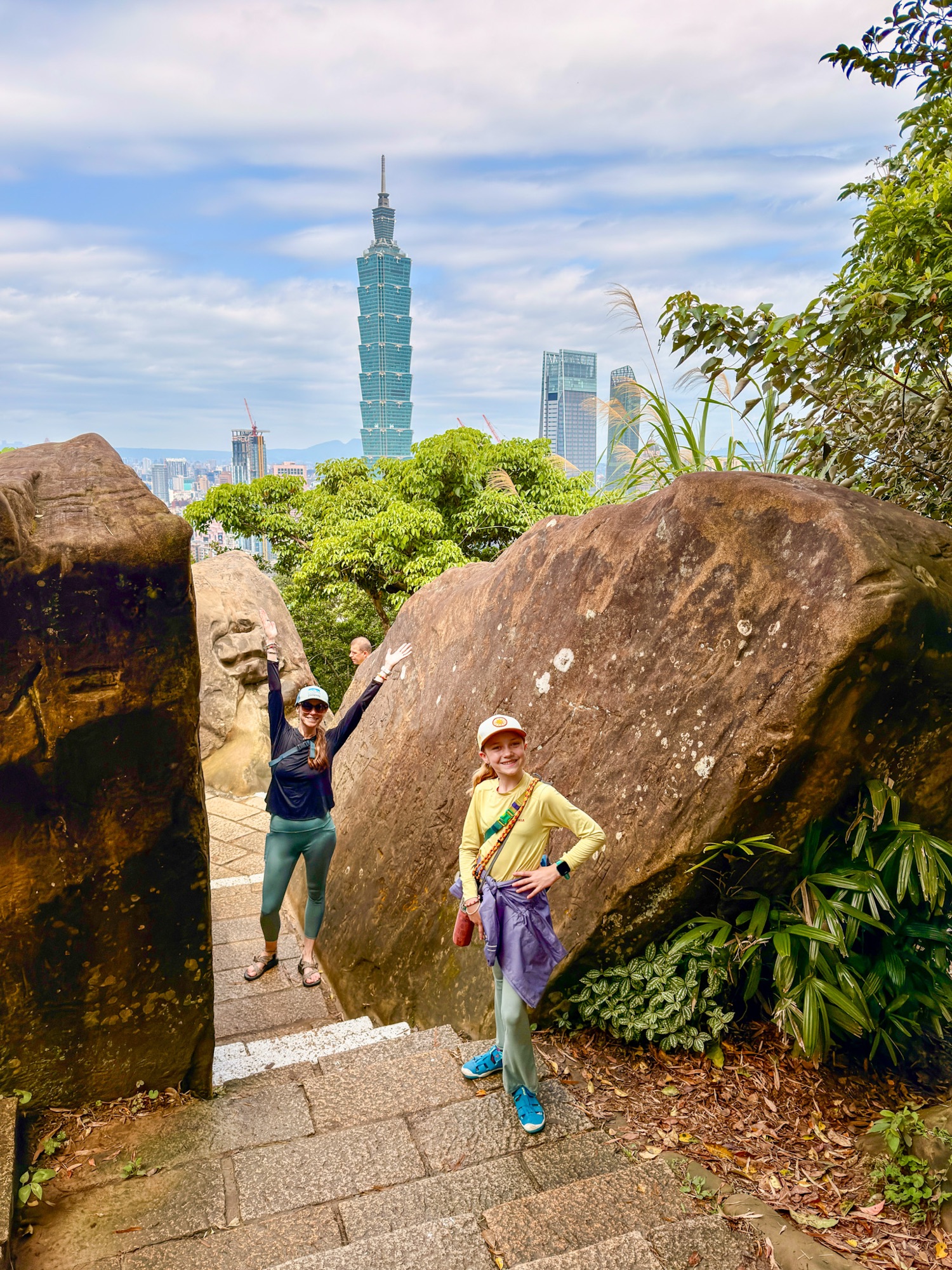
The hiking day came a few days into the stay, when the forecast offered a window of less rain and cooler temperatures that made it the obvious call. Max had built a Garmin route that started at Elephant Mountain — Taipei’s most famous urban hike, a steep staircase climb straight out of the Xinyi District that deposits you at a series of rocky viewpoints with Taipei 101 filling the entire frame — and then continued up the ridge to Thumb Mountain, named for its distinctive rock formation at the summit, and on to 9/5 Peak at 375 meters, the highest point of the system. The upper peaks are considerably less crowded than Elephant Mountain itself, and the views of the city keep expanding the higher you climb. Nine kilometers total, over 600 meters of elevation gain, four hours on the trail.
In retrospect this was probably too much hike for a family that had spent more time at 7-Eleven counters than on training runs over the preceding months. Nobody said this out loud until after it was finished.
What does need to be said is that Missi, who just turned 72, did not slow us down once. She set her pace at the bottom and held it all the way to the top, arriving at every viewpoint composed and ready while some of us stood with hands on knees. This has become a recurring theme throughout her time with us and we have collectively stopped commenting on it, which is the appropriate response when someone keeps quietly outperforming you on a regular basis. The girls led the way and didn’t complain once either, which felt like its own small miracle given the gradient.
The views were worth every step. Taipei 101 started as the obvious centerpiece from the lower viewpoints and slowly became one element among many as the city kept revealing more of itself the higher we climbed. We took the drone up around the upper formations, completed the loop back to the trailhead, and then walked directly to a burger place called TakeOut—it was the best burger of the entire trip and every plate was empty before anyone had properly appreciated it. There are no regrets.
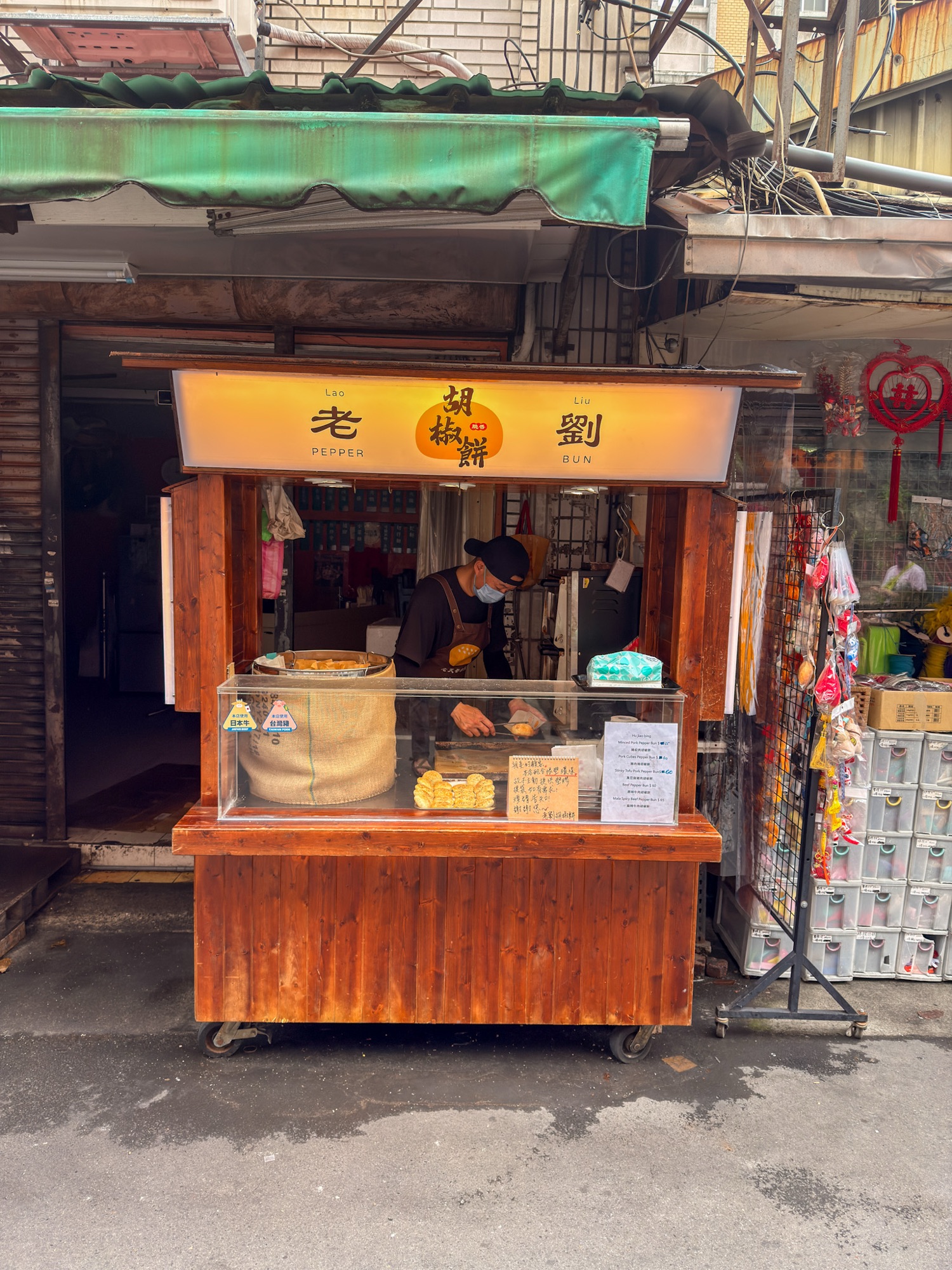
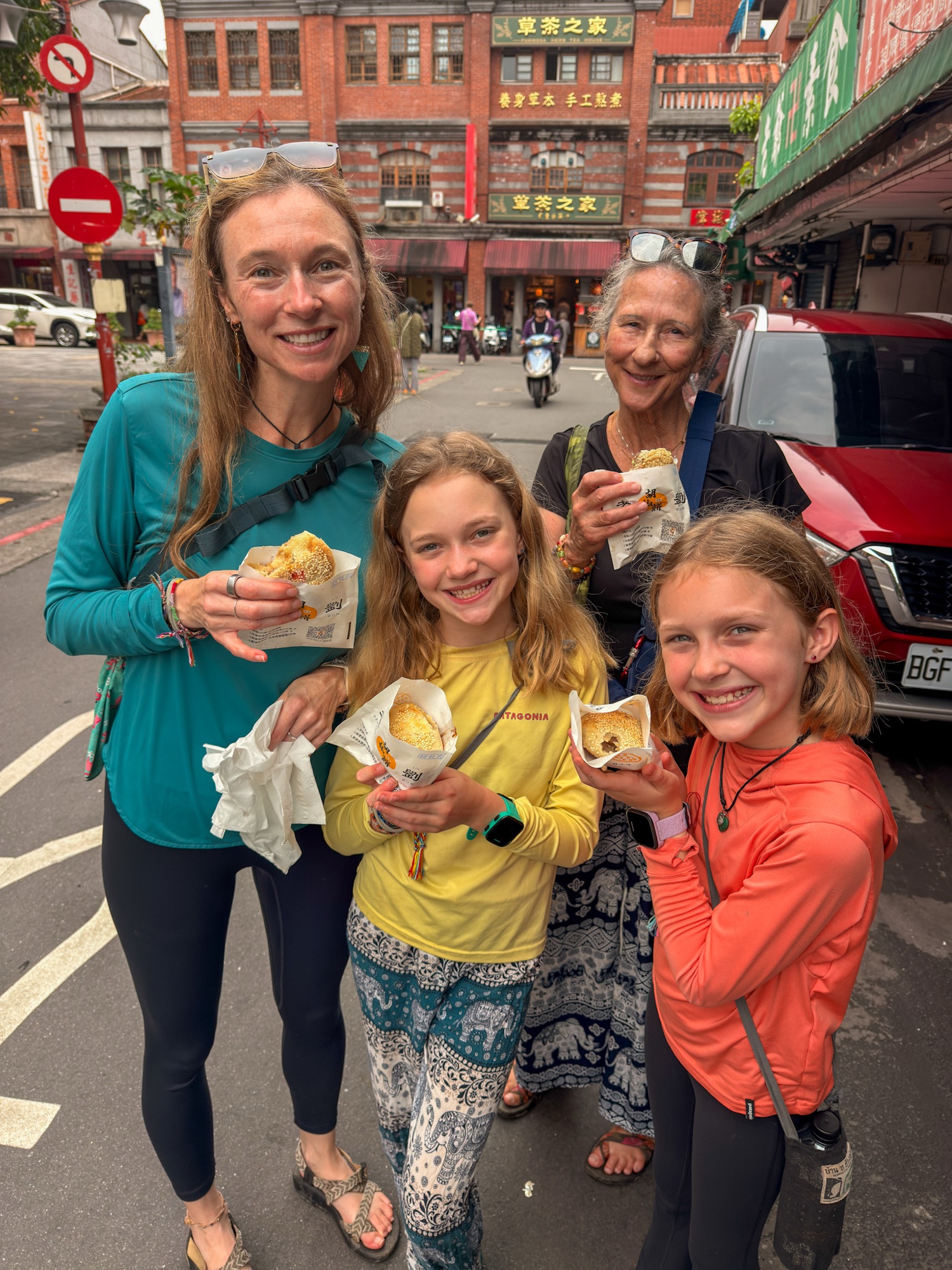
The rest of the Taipei days had the relaxed quality of a return visit — going back to things we’d loved and letting new things find us as they happened. A pepper bun stall near the fabric store became an immediate obsession: baked in a charcoal-fired tandoor and about the size of a baseball, the buns sported thin crackly crust encircling juicy minced pork and scallions, with a generous hit of black pepper. We bought one to share and went back for four more before we’d finished the first.
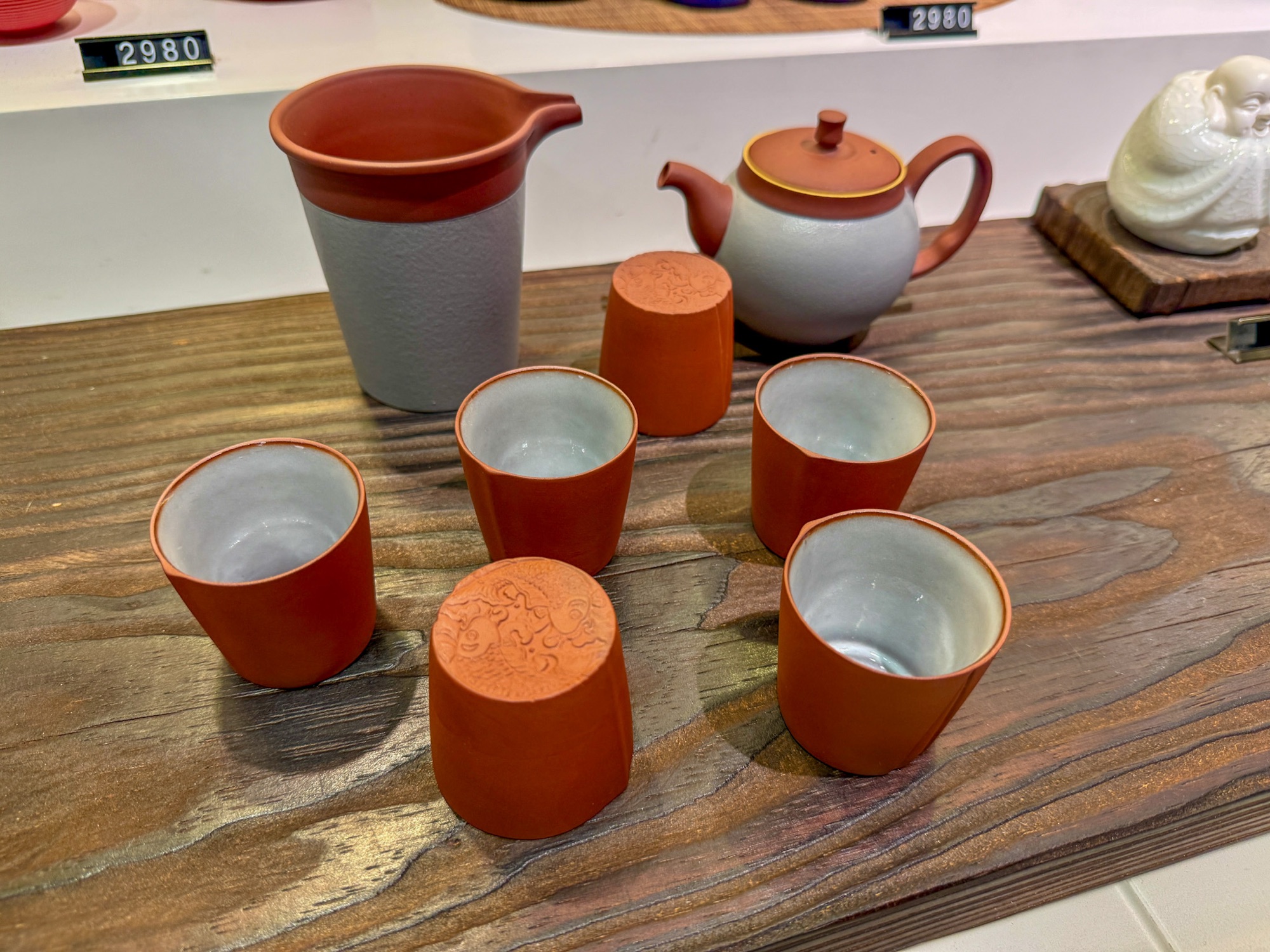
Aside from what many of this blog’s readers have mentioned, it’s not all about food on our trip. We had several other meaningful interactions in Taipei. First, a pottery shop called Lohas we’d been eyeing for two days finally got our business when Shaina and Max stopped in front of the window, looked at each other, and walked in without a word—we walked out with a traditional ceramic Taiwanese tea set.
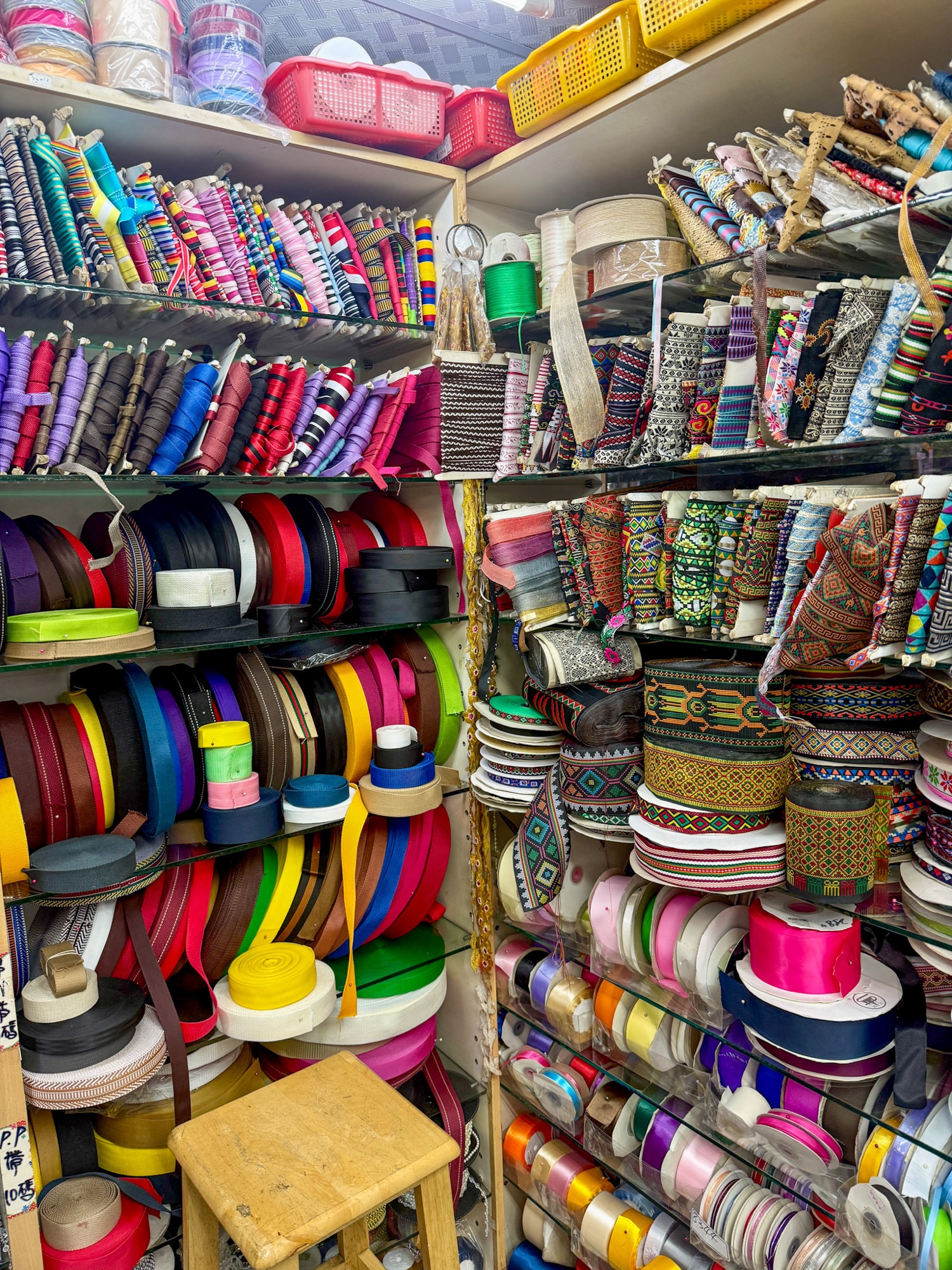
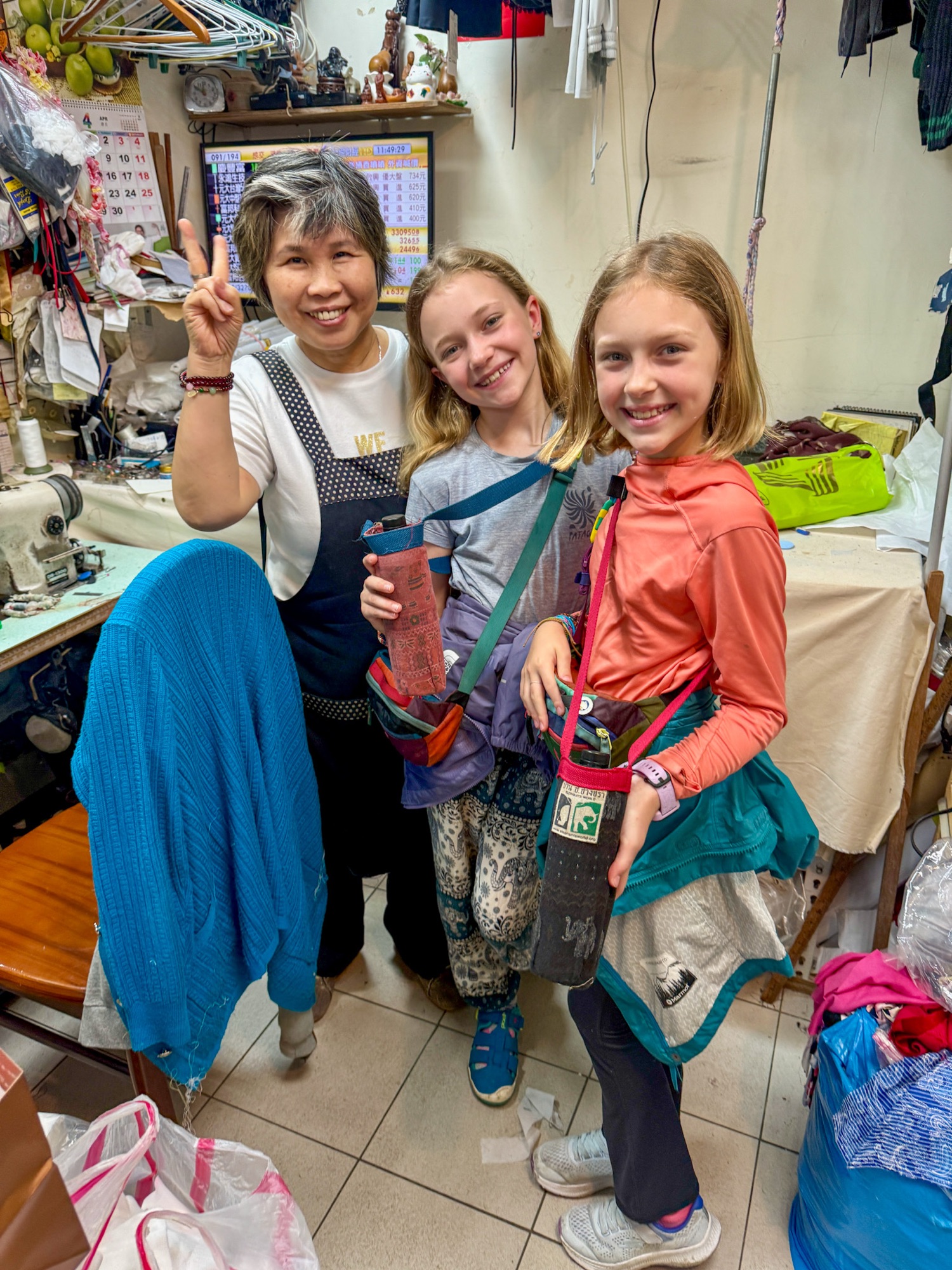
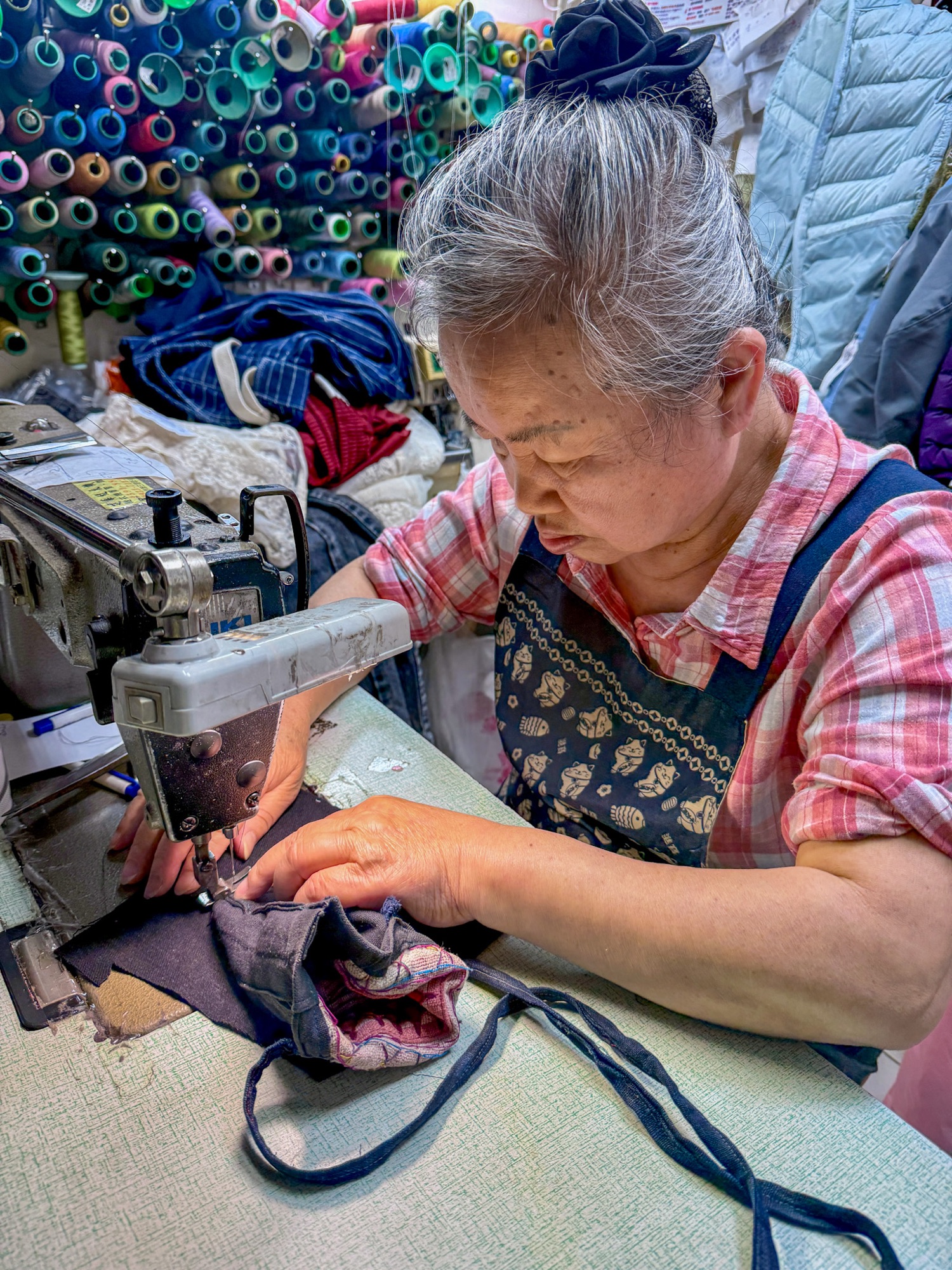
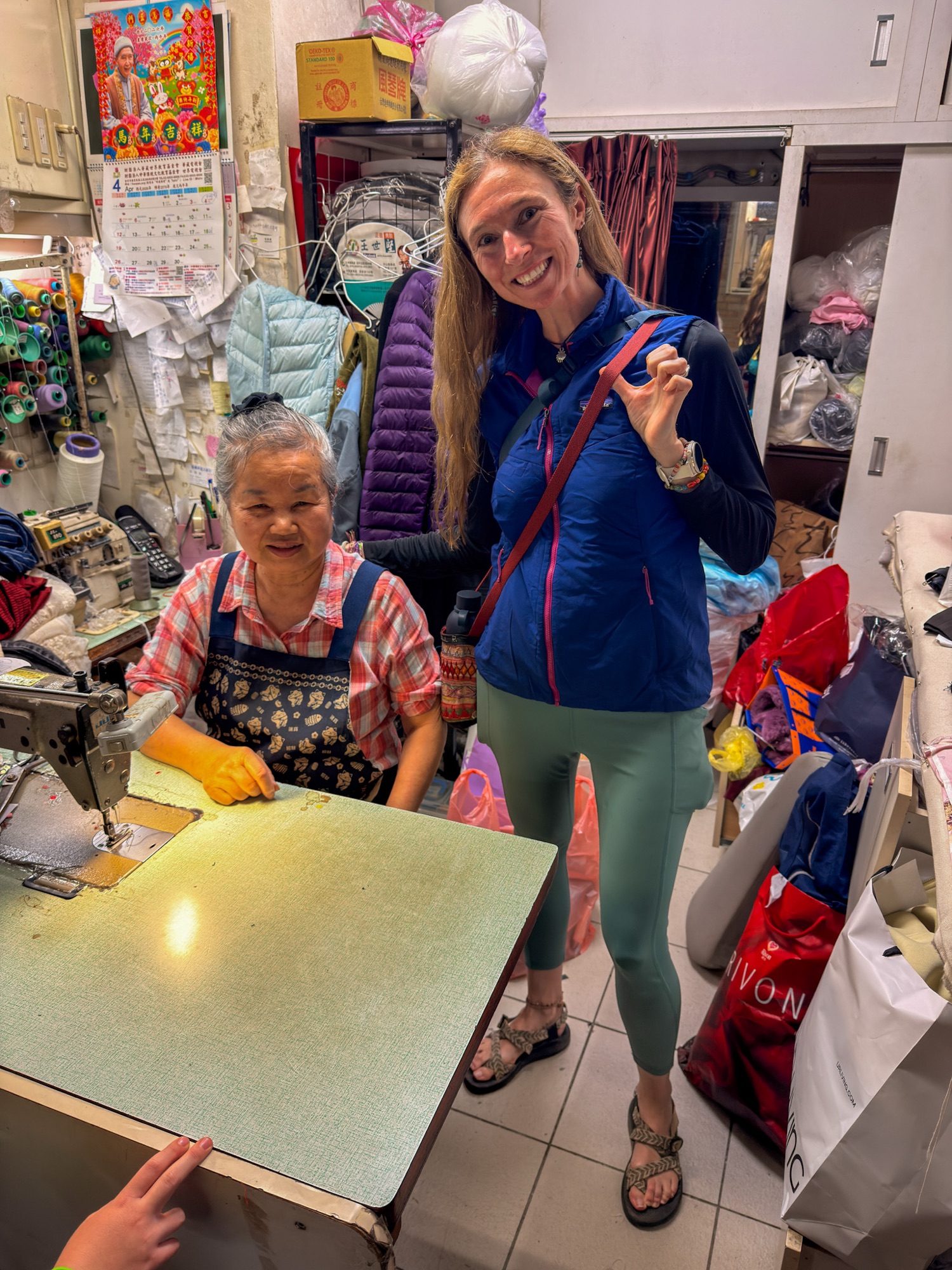
Next, a local seamstress upgraded Max’s twenty-year-old water bottle carrier—bought in Chengdu while he studied there and our reliable travel partner ever since—the shoulder strap finally snapped, bottom worn through to almost nothing. Now, it’s been nicely repaired with new maroon webbing that Missi selected and honestly looks better than the original.
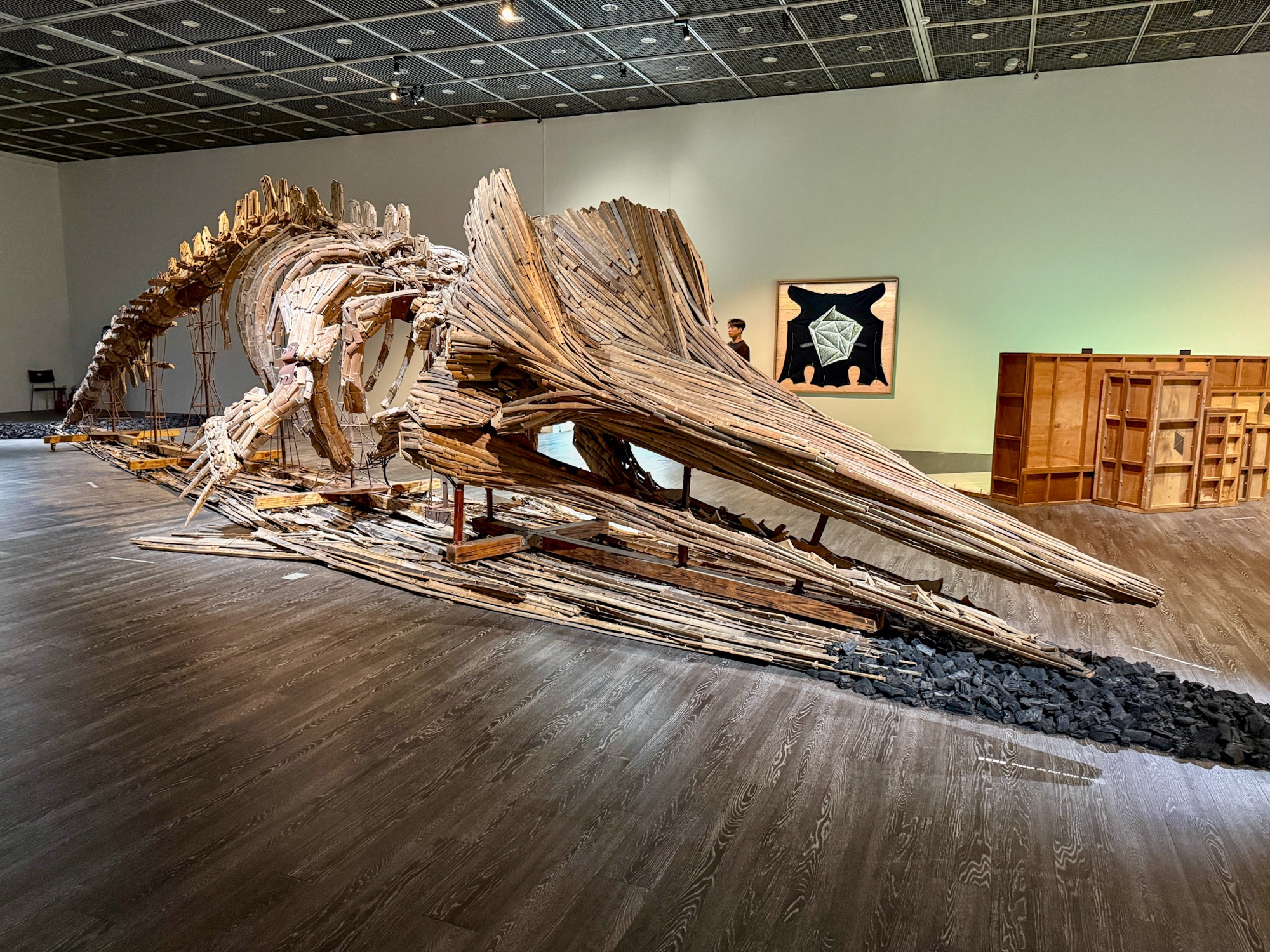
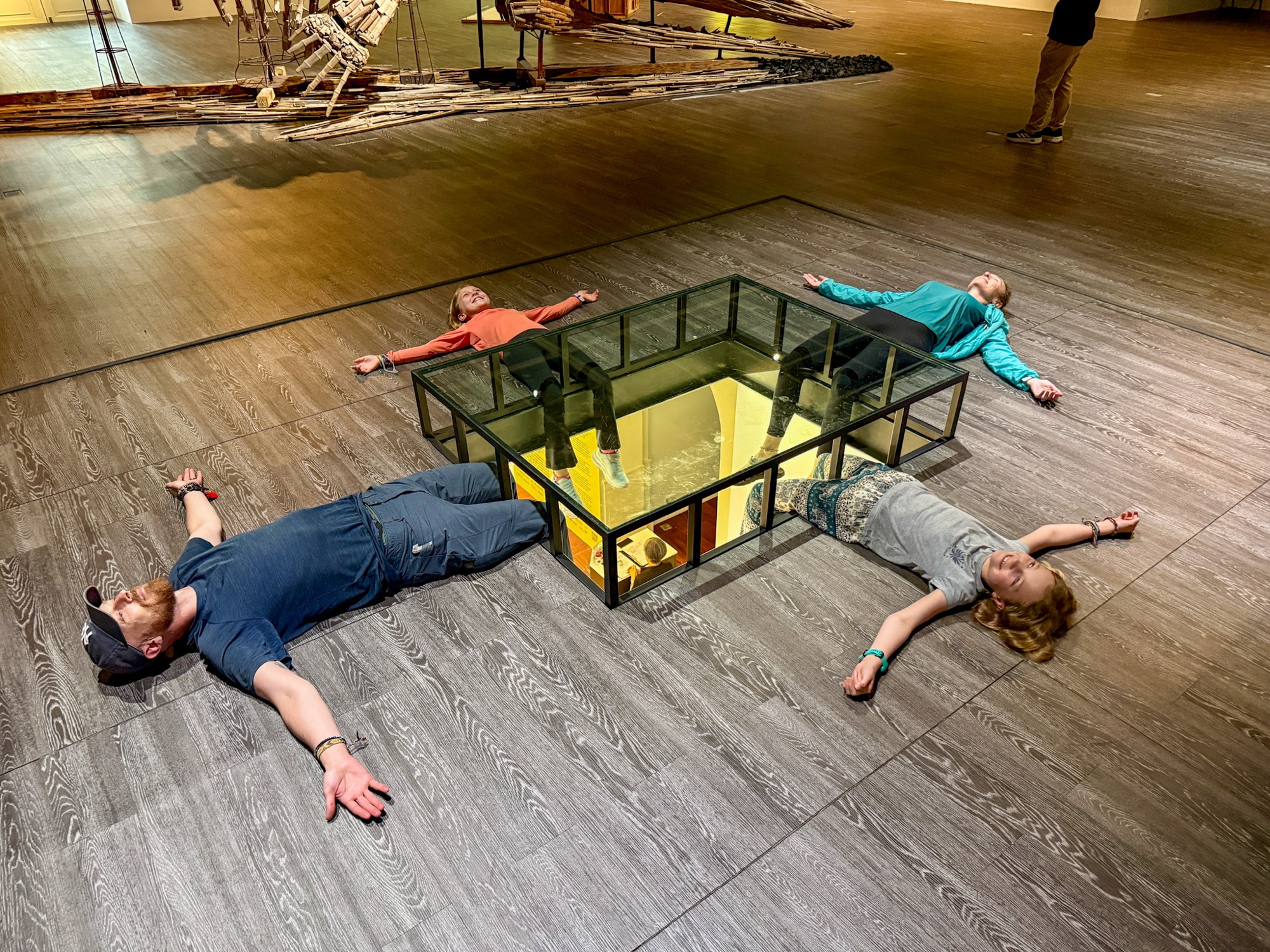
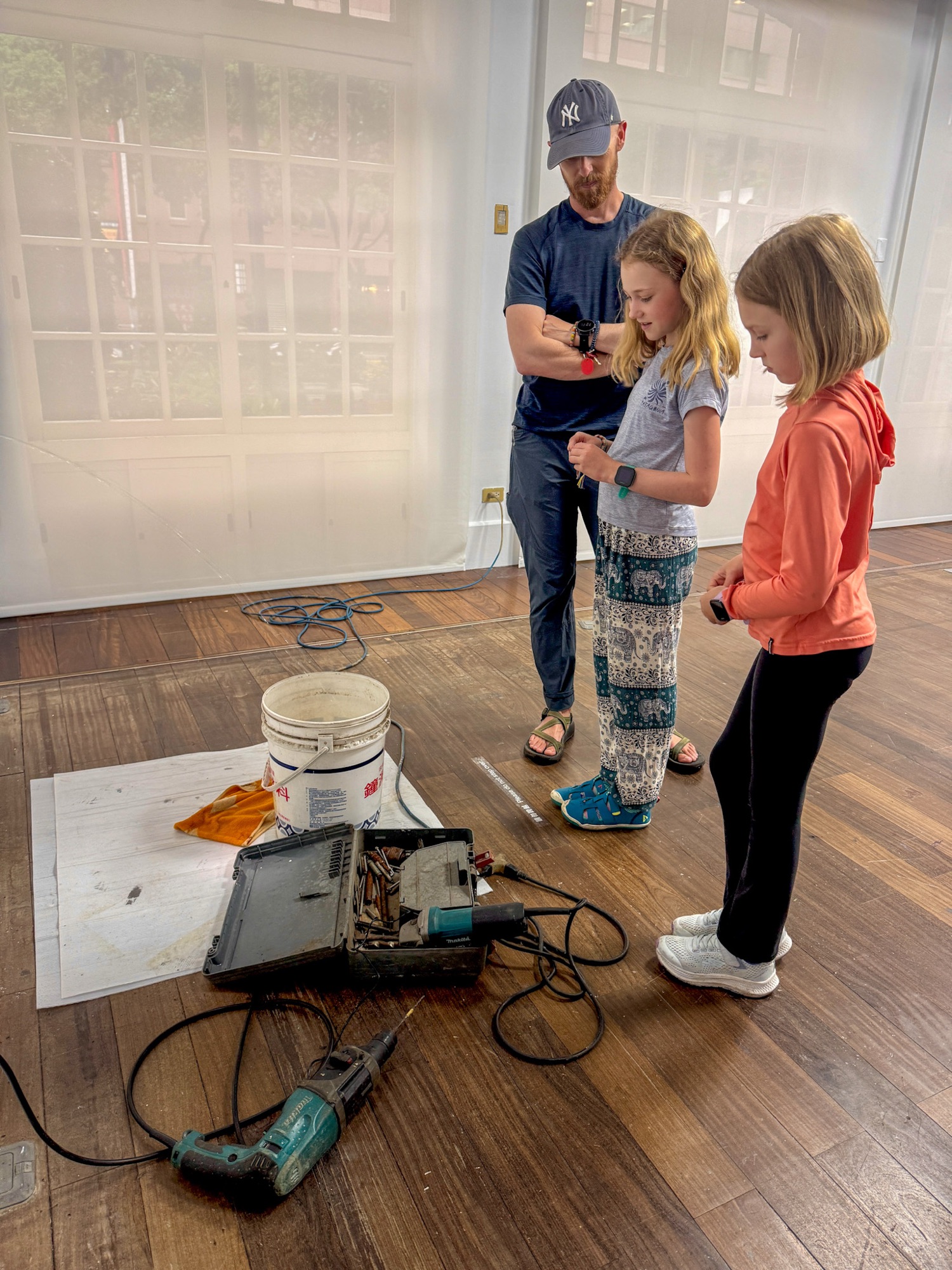
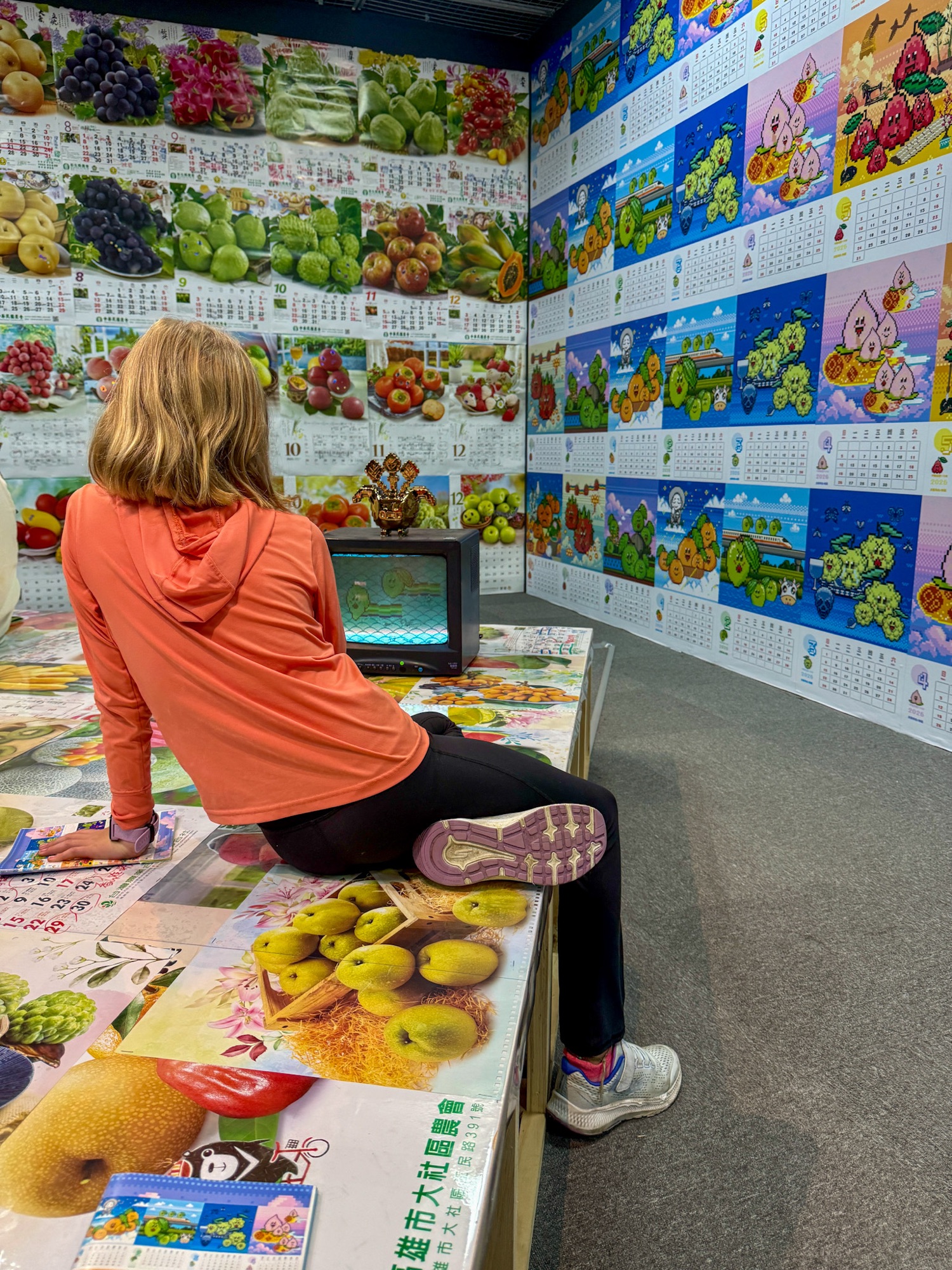
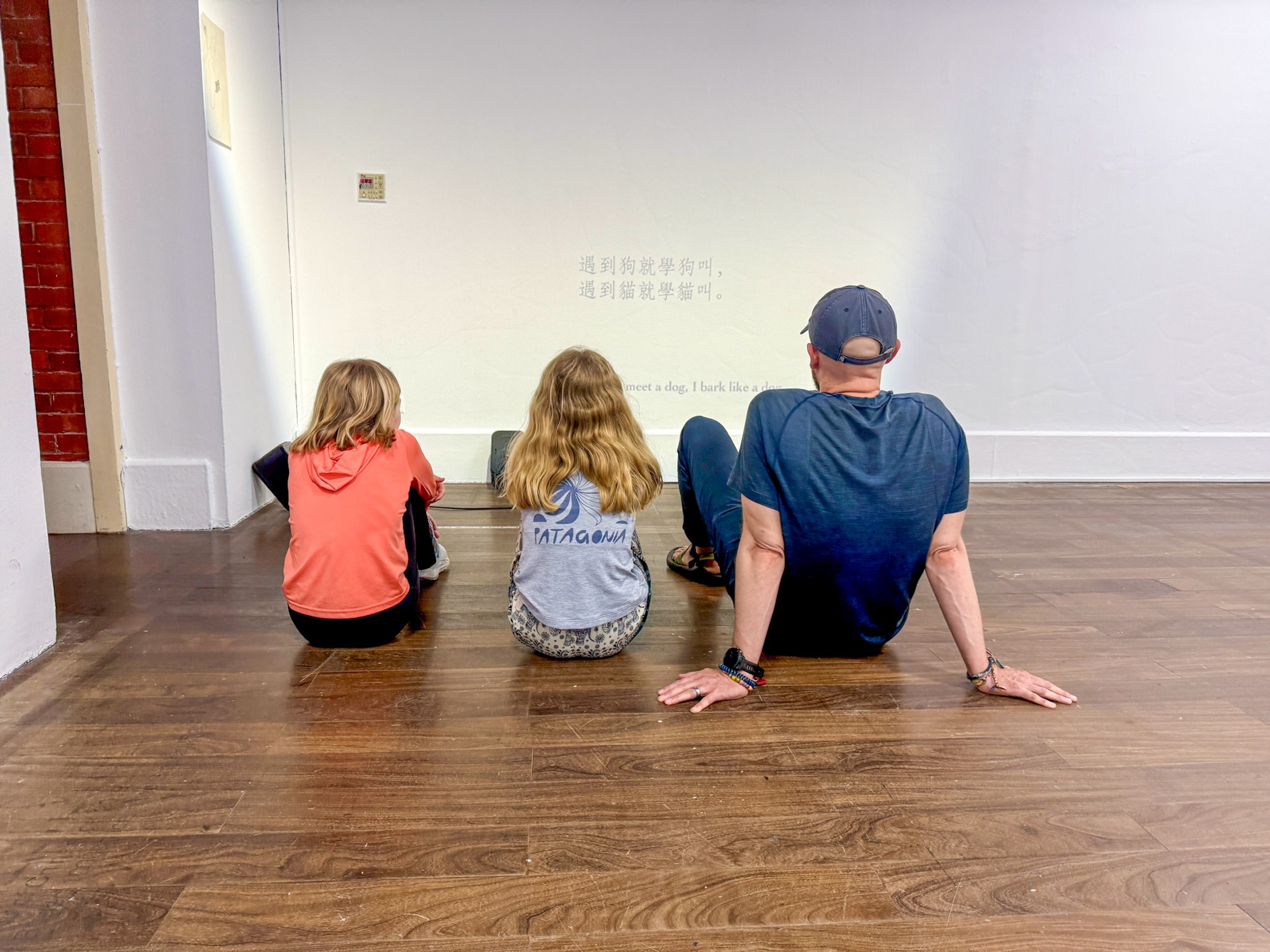
We also visited the Museum of Contemporary Art, which produced the full range of reactions that contemporary art tends to do when you engage with it honestly. There was a water installation that looked, at first glance, like you’d walked into a room mid-construction: a tarp on the floor, a bucket underneath a thin stream trickling from the wall, except the bucket wasn’t filling because the water was sneakily escaping through a cleverly disguised circuit back into the wall—a construction accident that was actually a perpetual motion machine in disguise. That was the good kind of uncomfortable. Then there was a short film in a darkened room that ended with a woman carefully laying a trail of cat food along the floor, the camera pulling back in slow anticipation. A robot vacuum came around the corner, cat ears and whiskers taped to it, and it adorably hoovered up every piece. Arya absolutely lost it—tears of laughter streaming. That was the great kind. On the other end of the spectrum were fruit calendars with googly eyes glued on every single piece of fruit, turning them into unsettling anthropomorphized minions staring out from the wall. That was the get-me-out kind. Contemporary art contains multitudes.
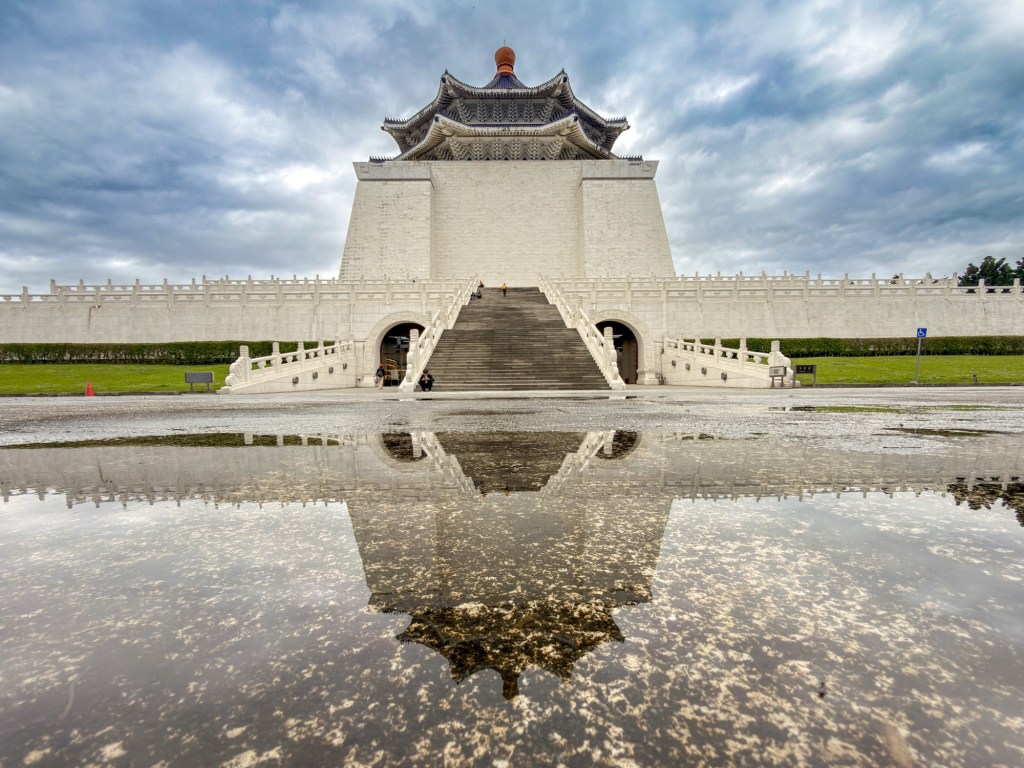
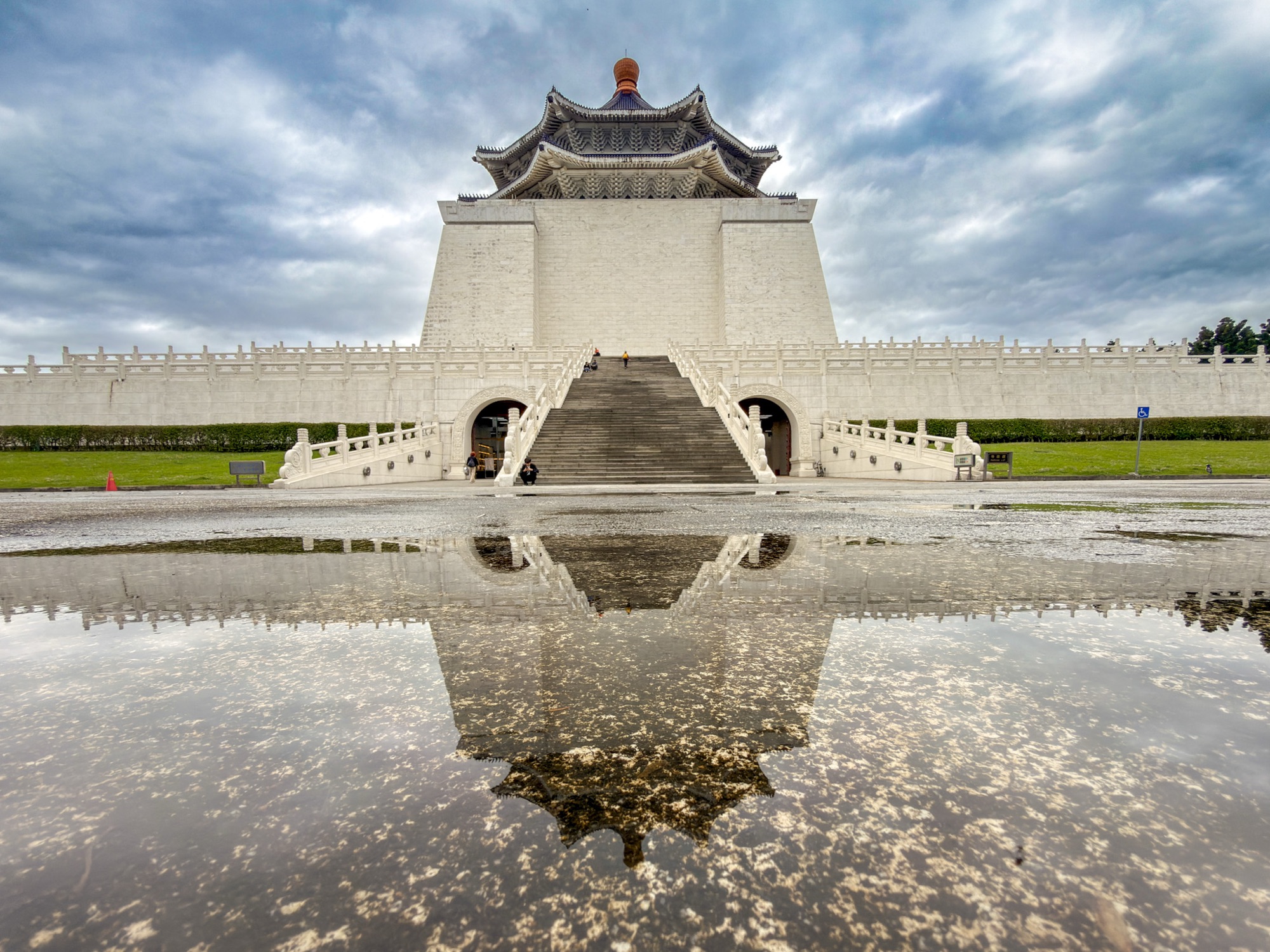
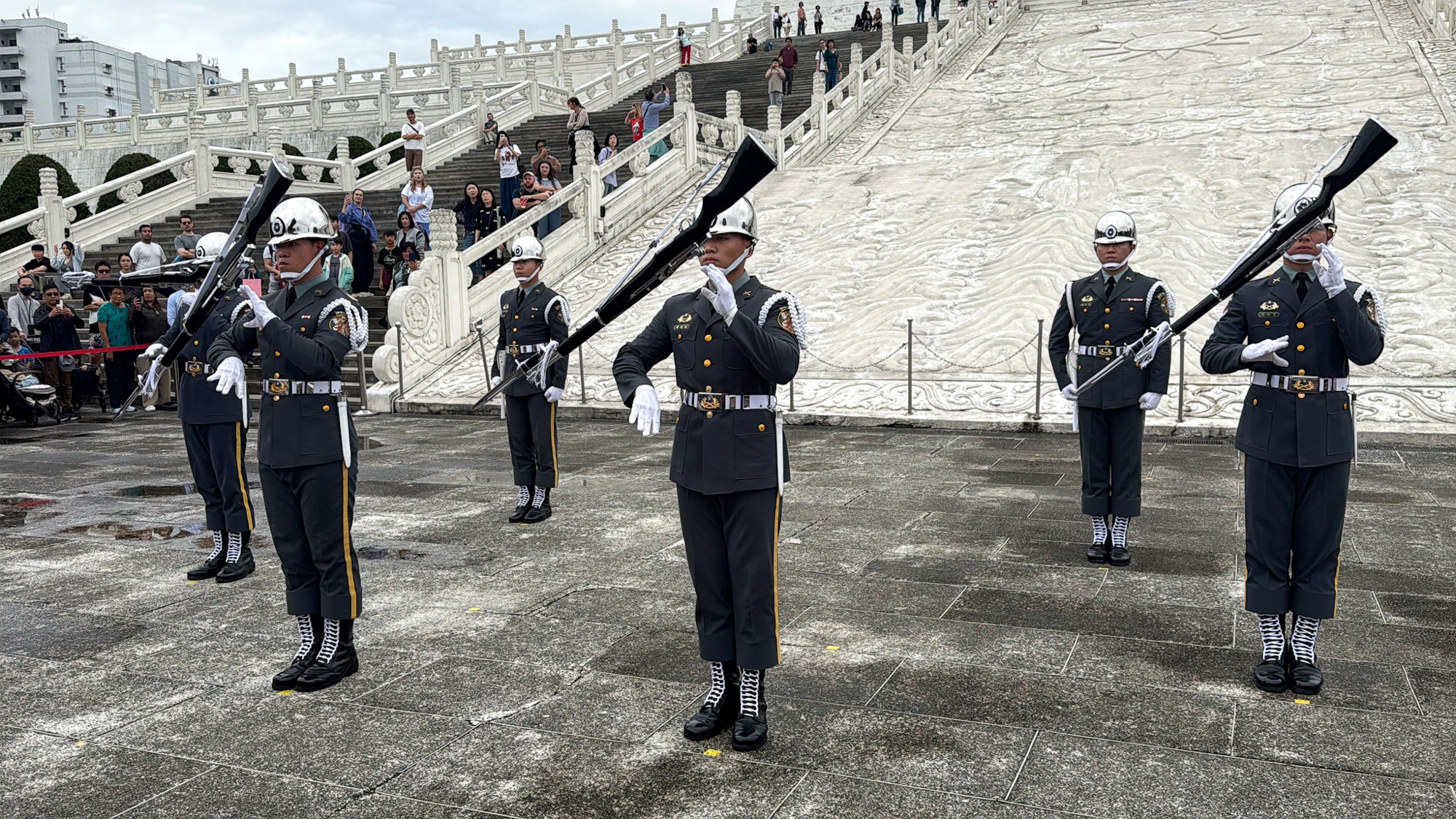
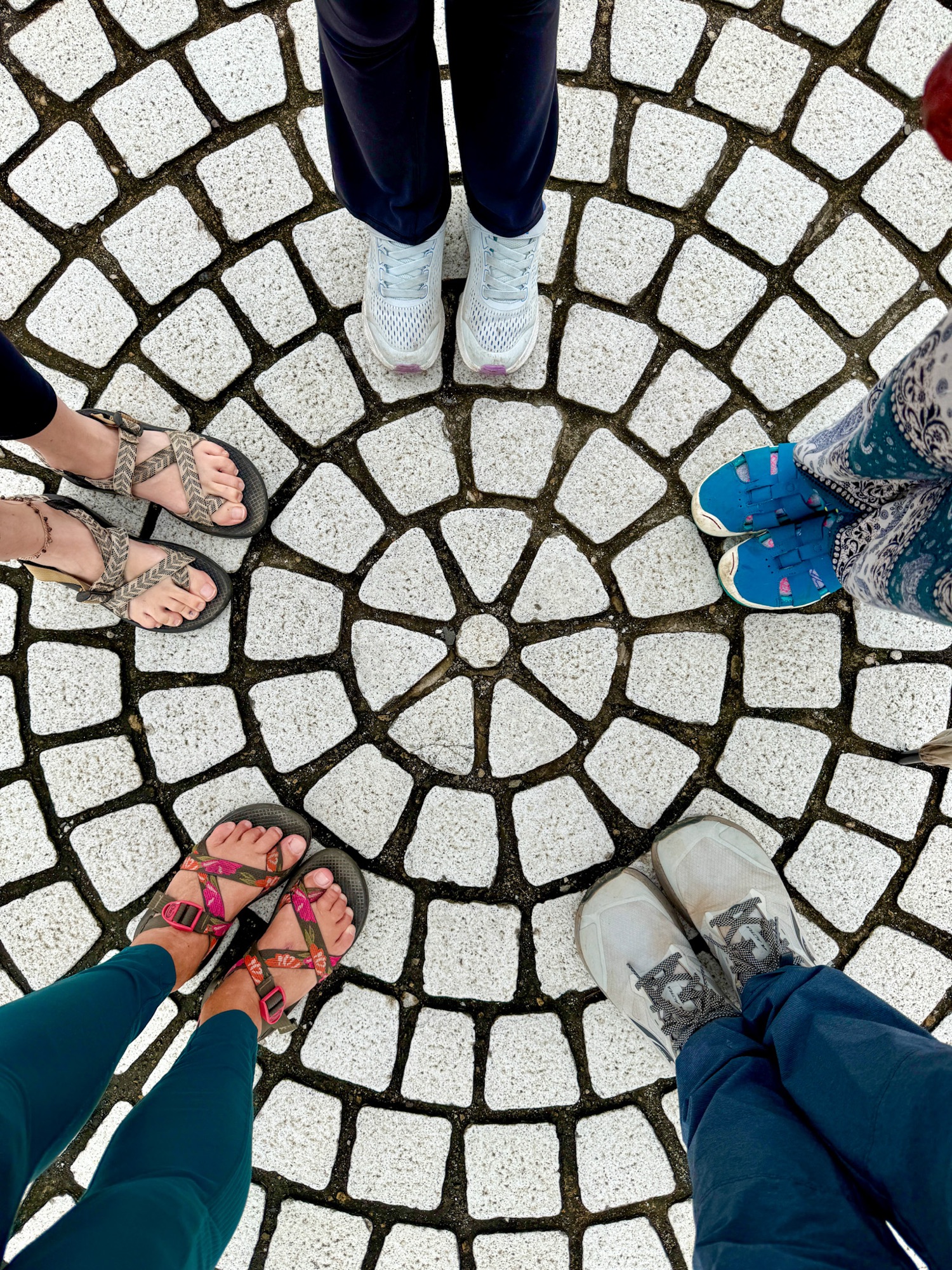
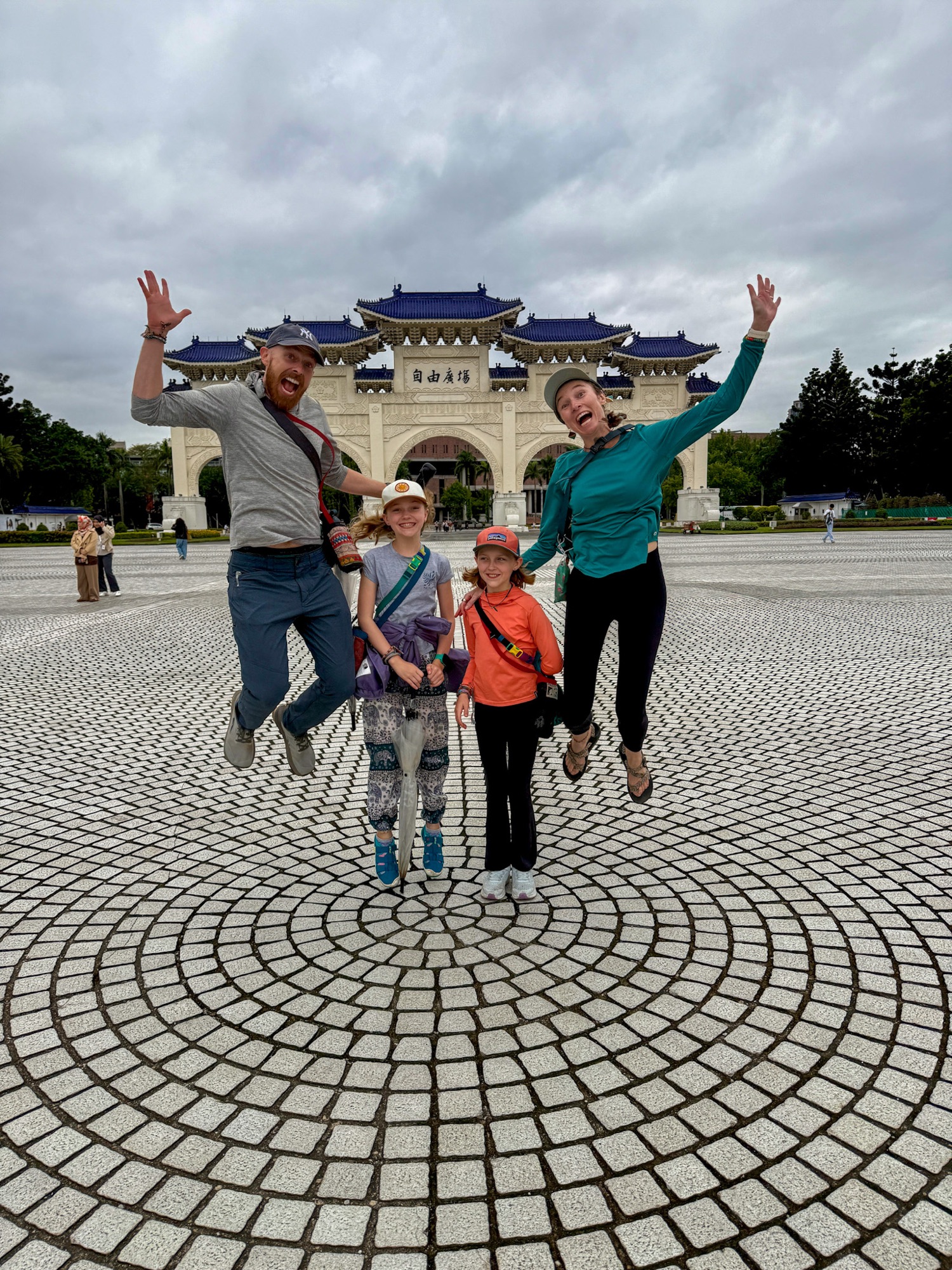
Lastly, the Chiang Kai Shek Memorial Hall was another return visit worth making. The complex is enormous — a vast open square flanked by the pagoda-esque architectural siblings, the National Theater and National Concert Hall, with the stark white and blue memorial building rising at the far end. The grounds were glowing in late afternoon light both times. On the first visit we discovered that clapping while standing at the precise geometric center of the square produces a genuinely strange layered echo that bounces back from every direction simultaneously. The effect disappears completely if you take a few steps in any direction. We spent an embarrassing amount of time clapping while stepping in and out of the sweet spot, definitely looking unhinged to anyone watching from a distance. On the second visit we came specifically for the changing of the guard — a precisely choreographed ceremony in immaculate dress uniforms with rifle work that requires the kind of discipline that makes you tired just watching it. Max also asked a guard whether he could fly the drone anywhere on the property. The guard crossed both arms in a firm X without hesitation. Duly noted. We left with minds filled with of memories instead.
Through all of it, every evening without exception, there was Kings and Cabbages. This game has become the connective tissue of the trip in ways we didn’t anticipate. Some version of it happened in nearly every Airbnb from Thailand onward, and Taipei was no exception. Max developed a reliable talent for holding the King position just as “last game” was called, and then immediately losing his seat with a clockwork consistency that stopped feeling like bad luck and started feeling like a personality trait. The girls found this funnier each time it happened, which didn’t help.
On the second to last evening the girls disappeared behind their bedroom door and posted a handwritten sign: “Absolutely No One Allowed In.” What followed, pieced together from the sounds and the eventual reveal, was an intensive embroidery session. They had taken scrap pieces of the webbing from their water bottle straps and wound colored string through them in personalized patterns, spelling out “Nana” — a going-home present made entirely by hand, from scratch, in secret. When Missi opened it the next day her eyes went bright and a few tears came. Not dramatically. Just in the quiet way you do when something is exactly right and you know it.
The airport morning came early. Missi was flying standby on a Delta flight to Seattle and the waitlist had ballooned into the thirties, so Shaina was up at 5:30 and out the door with her mother by 6:00 for the hour-and-twenty-minute trek across the city. Max got the girls up, made coffee, cut fruit, and spent the morning catching up on the blog while a steady stream of updates came in from the airport. The standby list kept growing. Missi hadn’t been bumped further back but she wasn’t confirmed either. Then, just after 9:00, with the flight scheduled to take off at 9:45, the message came through: she’d gotten a ticket. She was number 27 on a list of 26 available seats, eventually saved by a last-minute no-show. Everyone exhaled.
This goodbye was a different thing than the one back in Vietnam, three or four months into the trip, when Missi had visited us while home still felt far away and the road ahead felt much longer than the road behind. That goodbye had been genuinely hard — the kind with real tears and the specific ache of watching someone who reminds you of home disappear back into it. This one was warm and clean and nobody fell apart, because the end of the trip is visible from here now. Not close exactly, but no longer abstract. Our family will be in Reno when we get back. The Roast Crew will be there. Our dogs will be there, hopefully. 🤞 At this point, the three months we have left will be done before we know it.
What lies ahead is territory none of us have any experience with. Uzbekistan. Kazakhstan. Kyrgyzstan. Georgia. Armenia. Romania. Serbia. Every single place from here forward is entirely new ground for all five of us. No prior visits, no frame of reference, no sense of what to expect beyond what we’ve read and the notes Ana recited at the hot springs on Green Island.
There’s a little trepidation in that. There’s also something that feels a lot like giddiness. Seven and a half months in, the trip doesn’t yet feel like it’s winding down. It feels like it’s turning a corner into something completely new. That combination of emotions—a little scared, but mostly excited, and curiosity running ahead of us—is exactly what this whole year has been about.
Central Asia awaits us on the other side of sleep.


Leave a Reply