
Dates: March 22-27, 2026
Place: Tainan, Taiwan
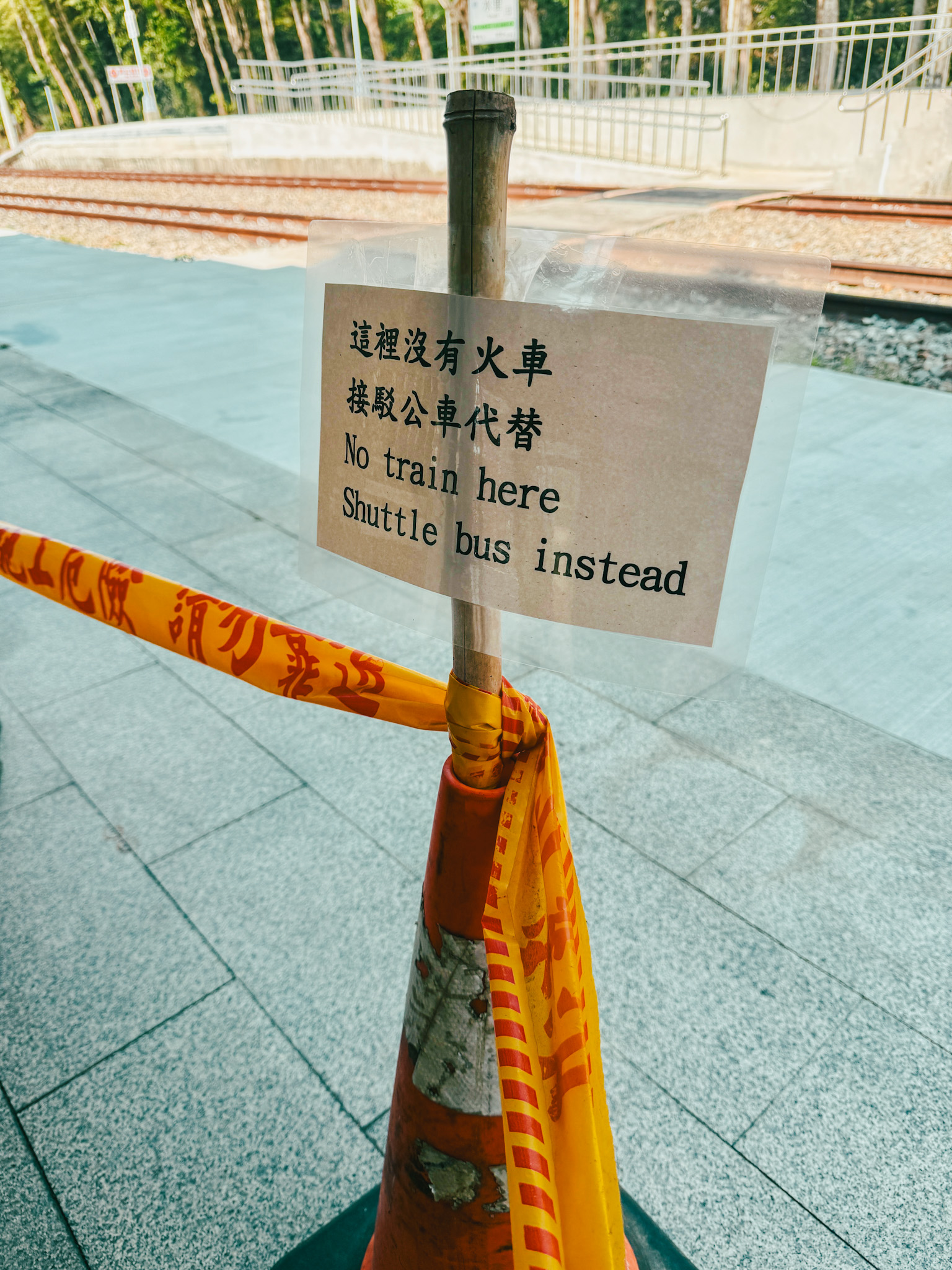
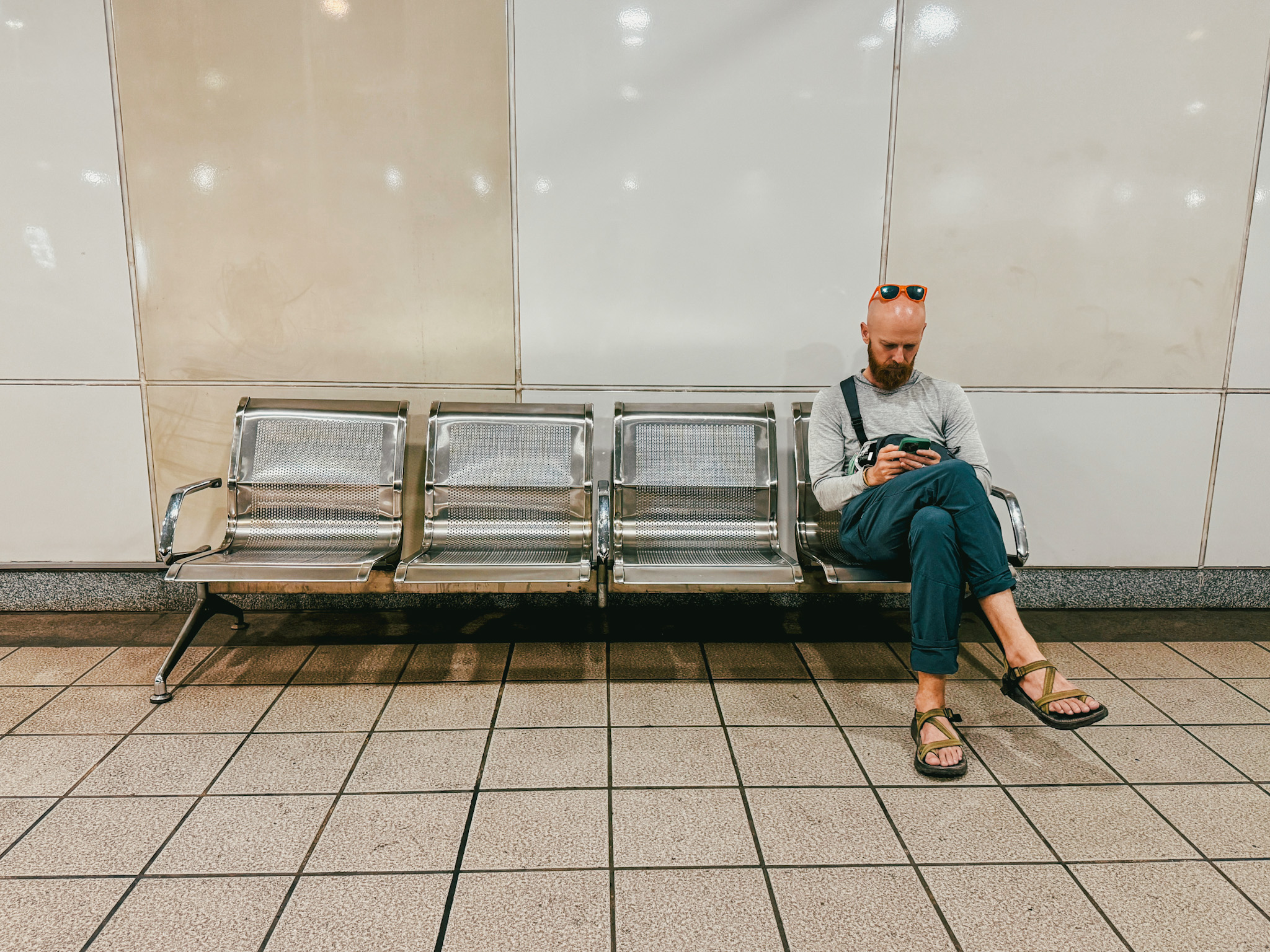
The sign on the platform of the Shuili train station said simply: “No train here. Shuttle bus instead.”
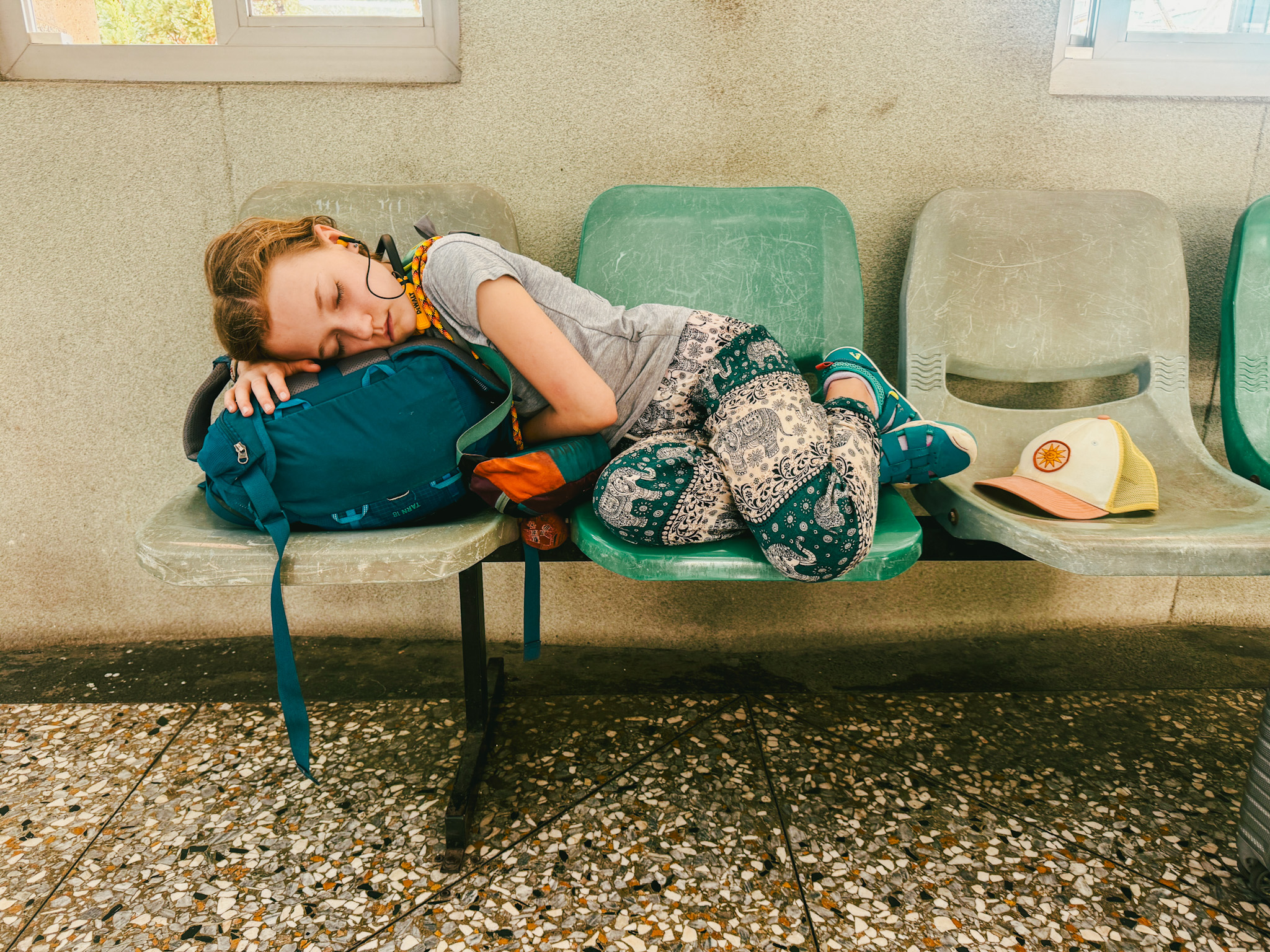
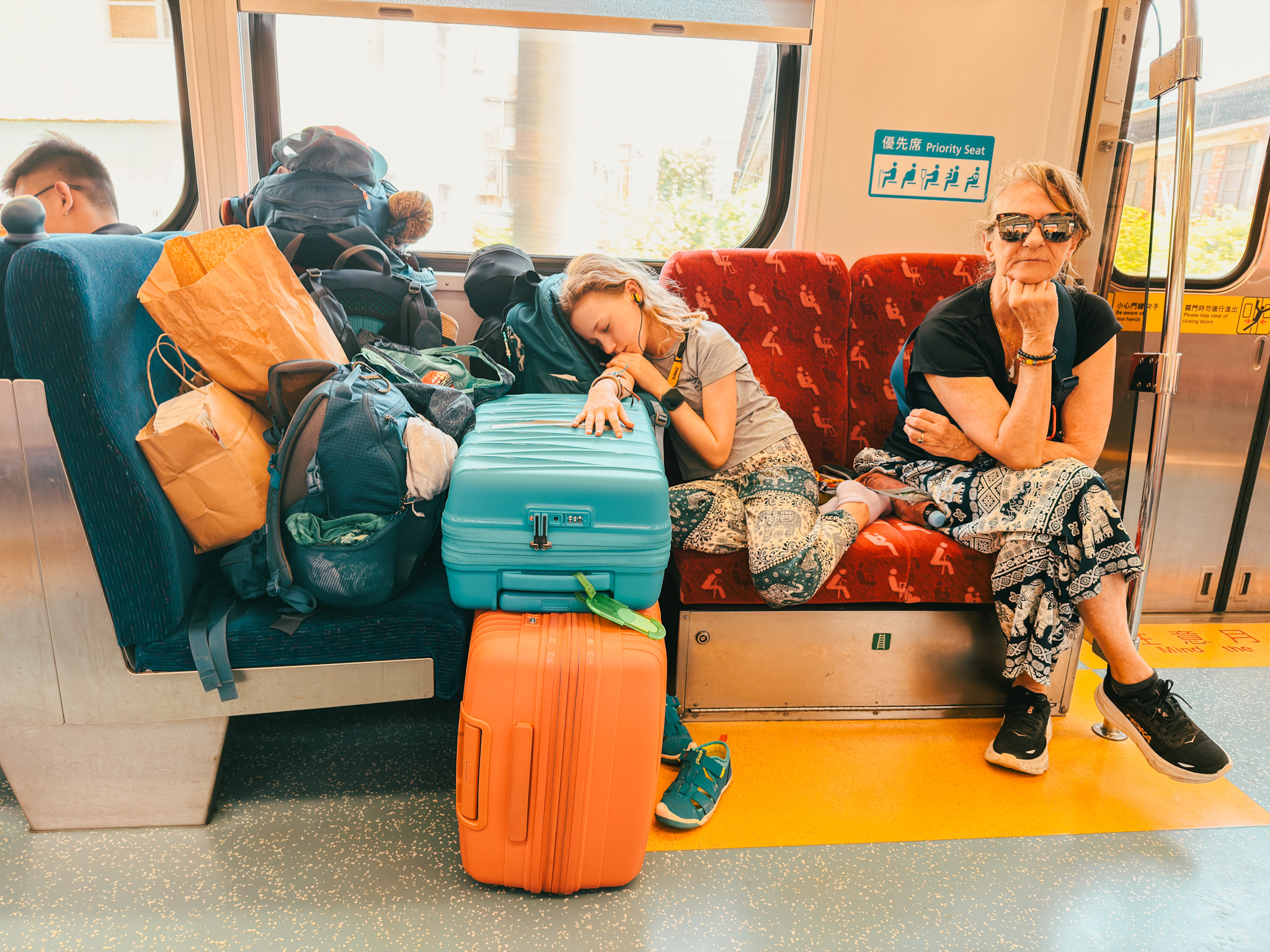
No further guidance. No shuttle number, no departure time, no indication of where the shuttle might be or what it costs. We’d just ridden a wild mountain bus twenty-five minutes from Sun Moon Lake with four roller bags, five backpacks, two children, and Missi, and now we were standing in front of a rudimentary note that had raised more questions than it answered.
Fortunately, a patient older Taiwanese gentleman in the ticket office was miraculously still working despite said lack of trains, and he had just enough English to get us untangled. He printed five tickets and walked us through the plan: shuttle to Jiji, local train to Ershui, standard train all the way to Tainan. Simple, right?
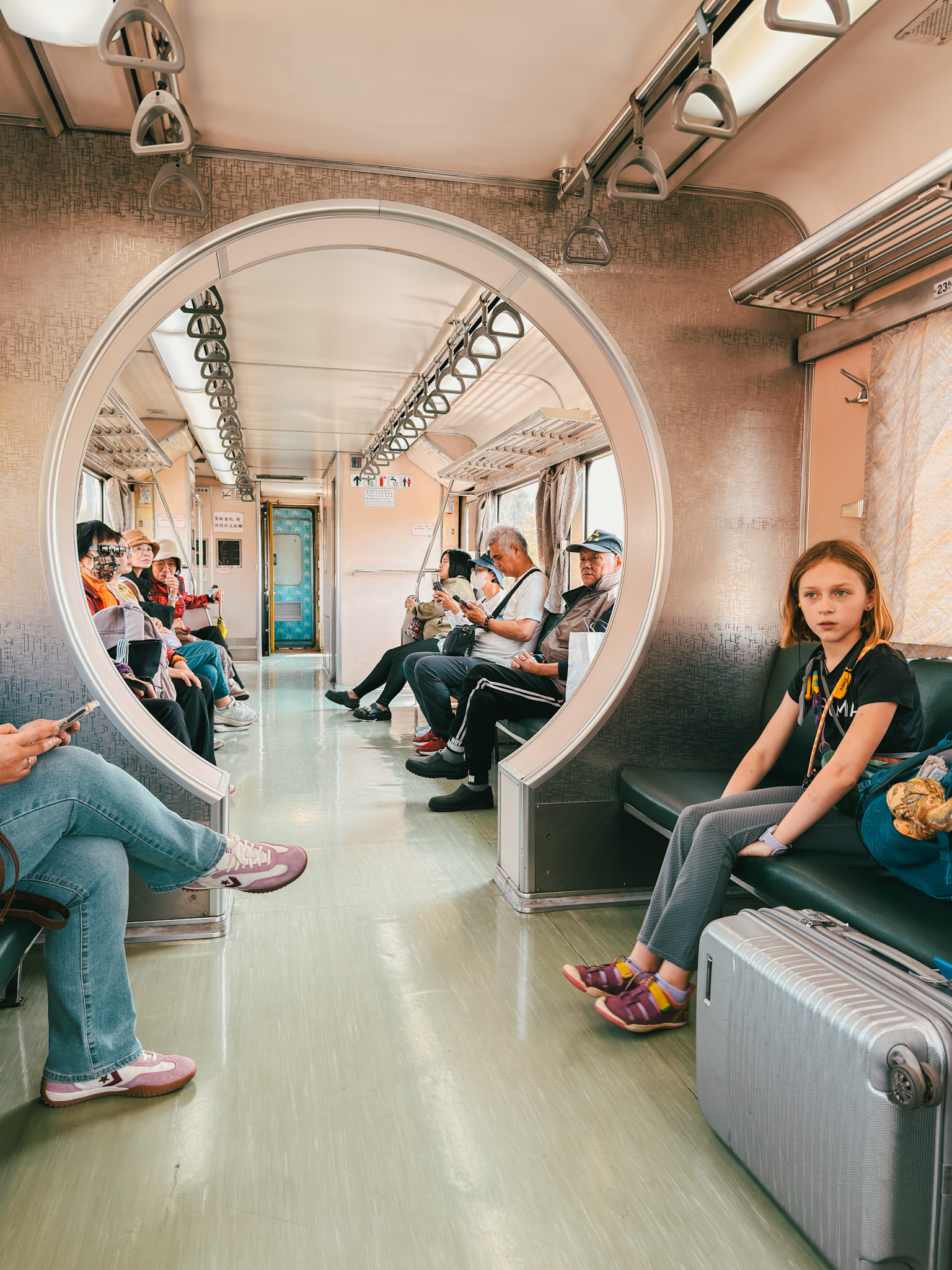
The shuttle delivered us to Jiji station, which turned out to be a discovery in itself. The Jiji Branch Line was originally built to deliver construction materials to the hydroelectric plant at Sun Moon Lake, but the endearingly retro train was repurposed in 1994 as a heritage railway, the first line in Taiwan aimed explicitly at tourism. The station is a beautifully preserved Japanese-era building in cypress wood, and the train moves at a pace that lets the central Taiwan countryside actually register: banana trees, rice paddies, and a long green canopy the line is apparently famous for. It was an accidental detour and a genuinely good one.
We’d spent considerable mental energy rehearsing this journey as a logistical nightmare. Too many bags, too many people, too many transfers, not enough shared language. In practice it went smoothly at every handoff. The load was distributed so that each adult and each child handled something. Whenever confusion arose there was always a station attendant or a fellow passenger willing to point us in the right direction. Nobody’s English was particularly good and it didn’t matter at all. We arrived at Tainan station at 14:30 without incident.
The only remaining obstacle was the UberXL that did not materialize. It was 28°C, the bags were heavy, and the city was right there. We checked the map: 1.5 kilometers, almost entirely flat, mostly shaded sidewalks. We decided to walk. Slowly, sensibly, nobody rushing for lights, everyone rotating through the heavier bags. Seventeen minutes later we arrived at the accommodation mildly sweaty and in good spirits.
The first thing we did upon entering was take a deep breath. No sewer smell. We knocked on wood.
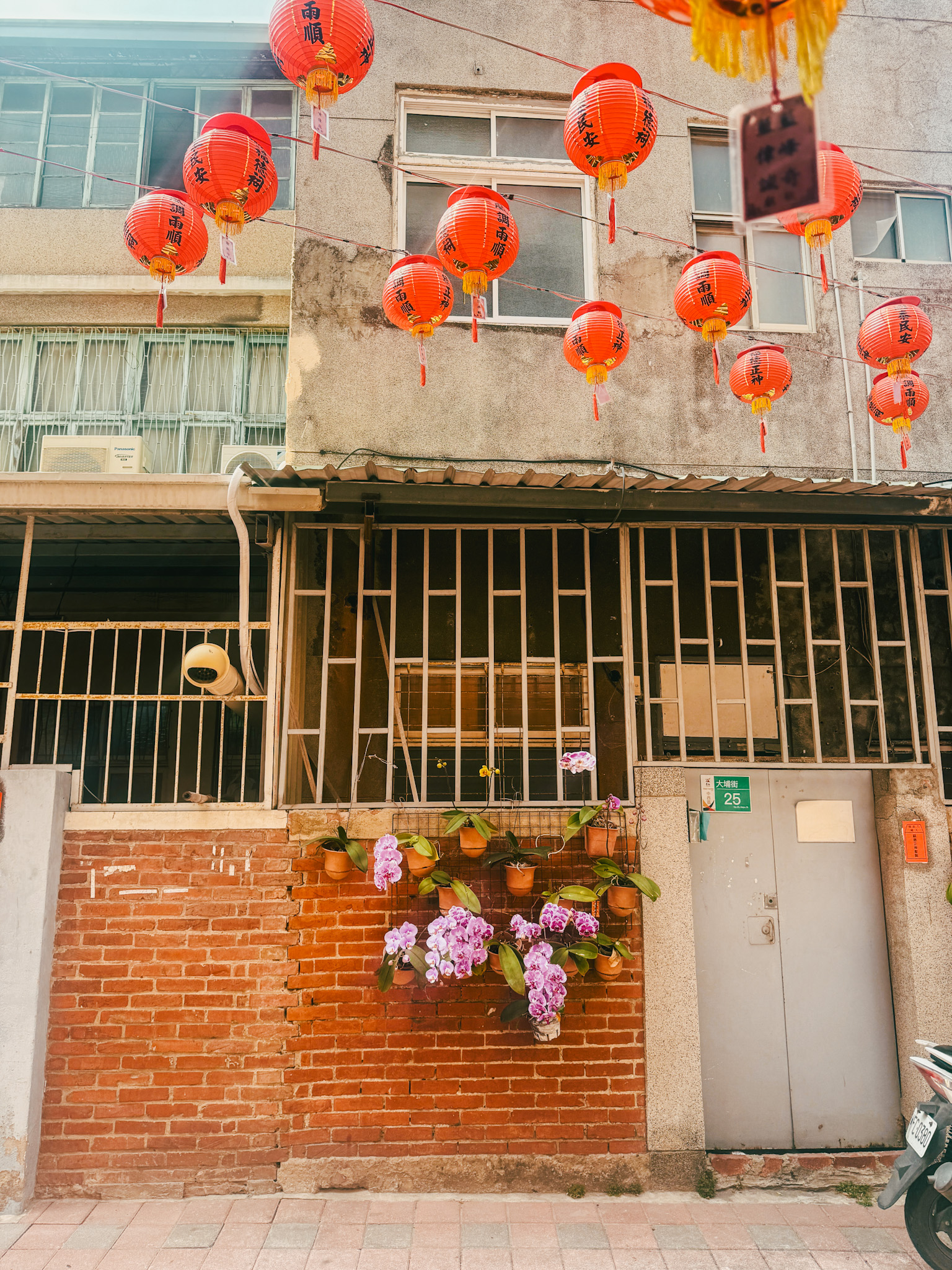
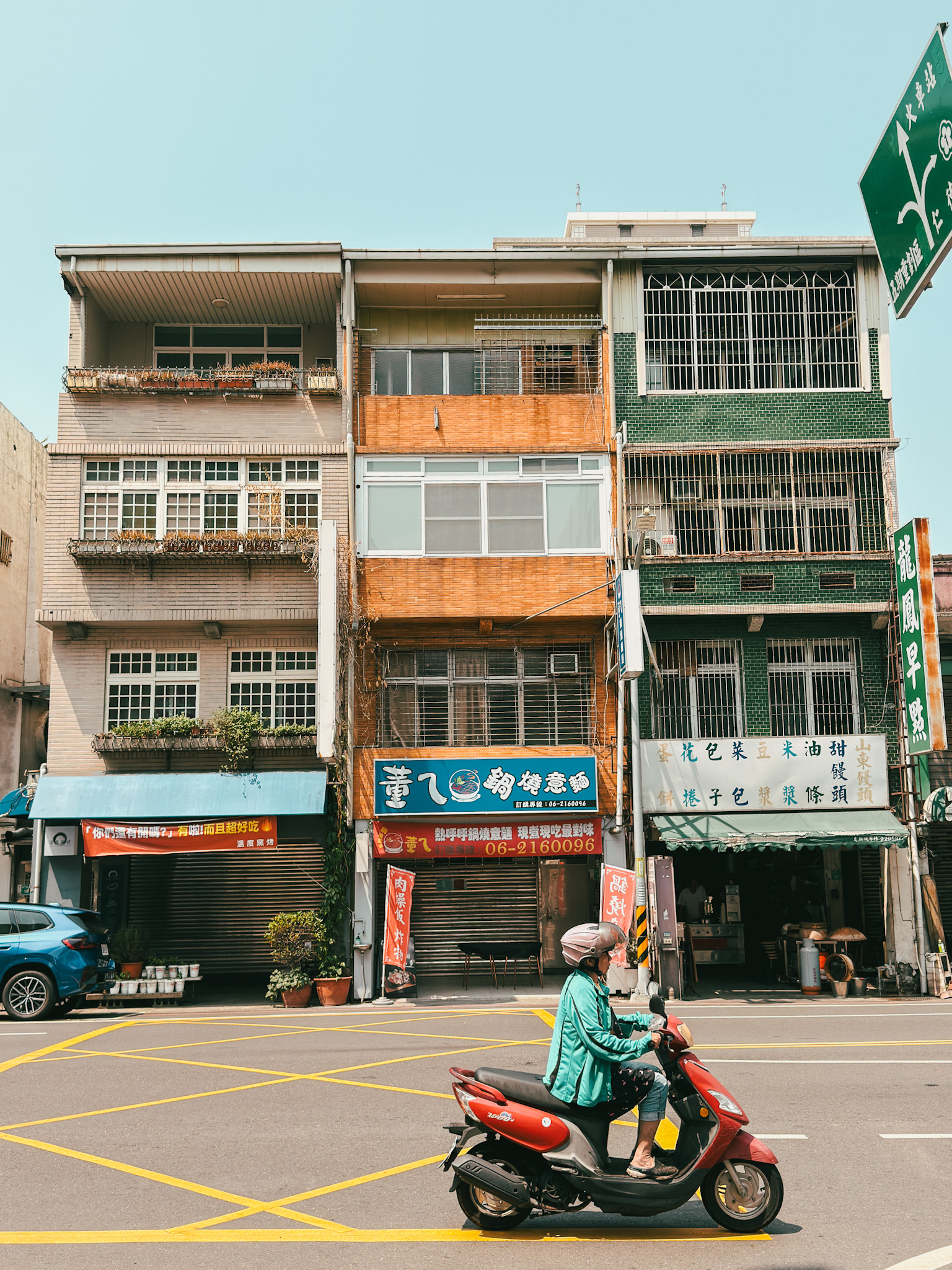
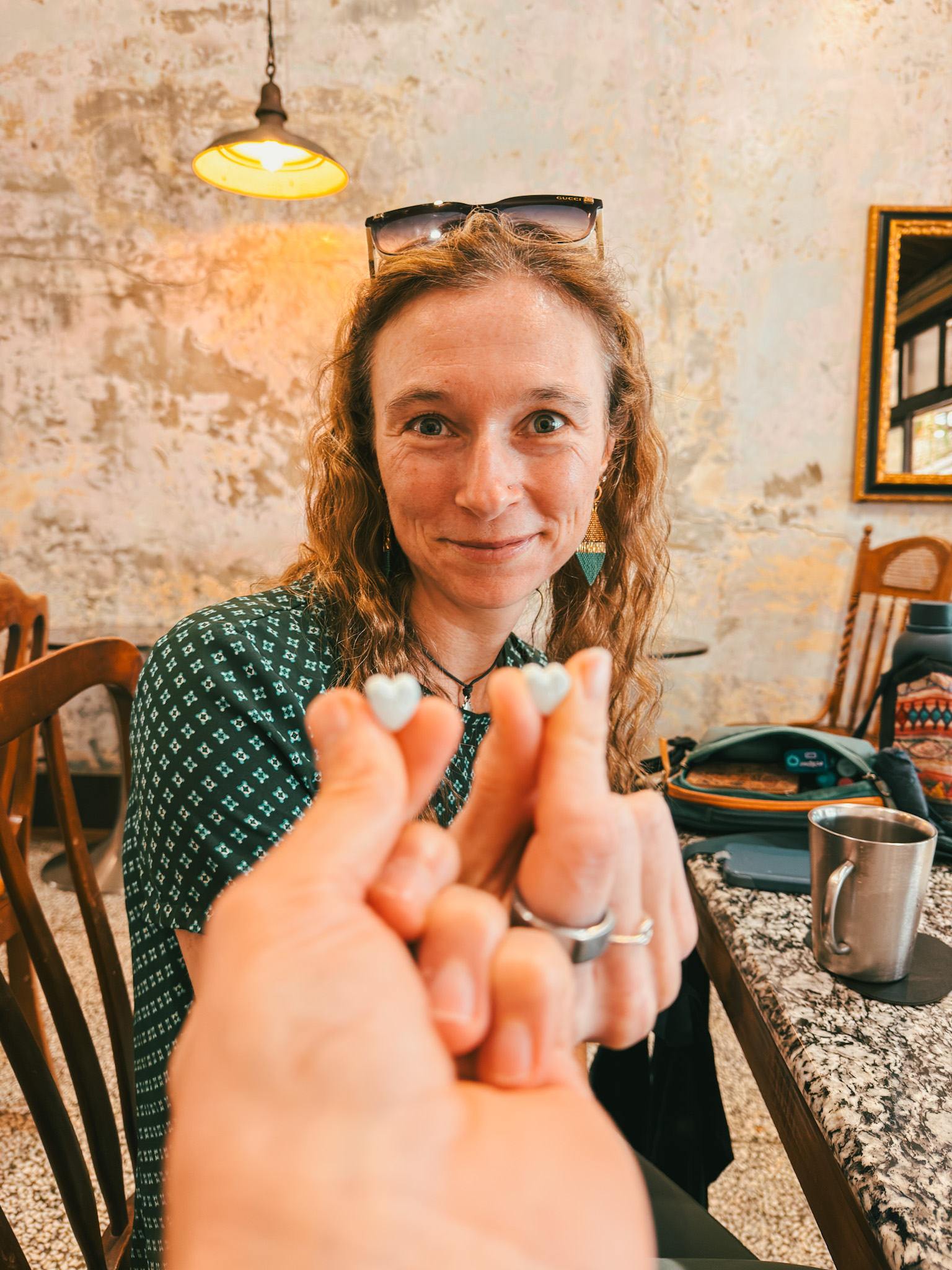
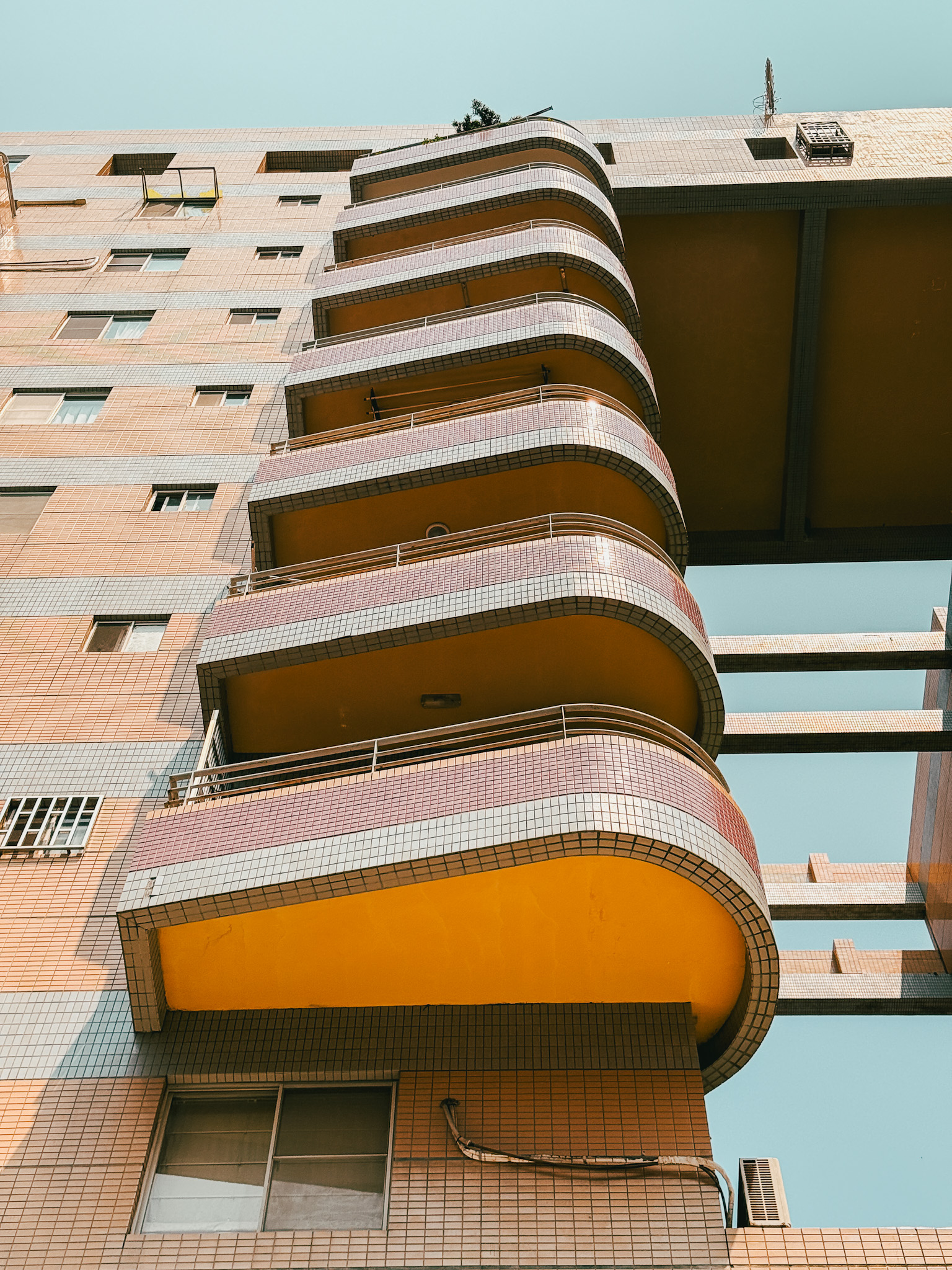
Tainan is Taiwan’s oldest city, the island’s capital for nearly two centuries before Taipei took over, and the place Taiwanese people tend to point to when they want to talk about what the island actually is. We’d arrived with no strong expectations and were happy to let it show us whatever it felt like showing us.
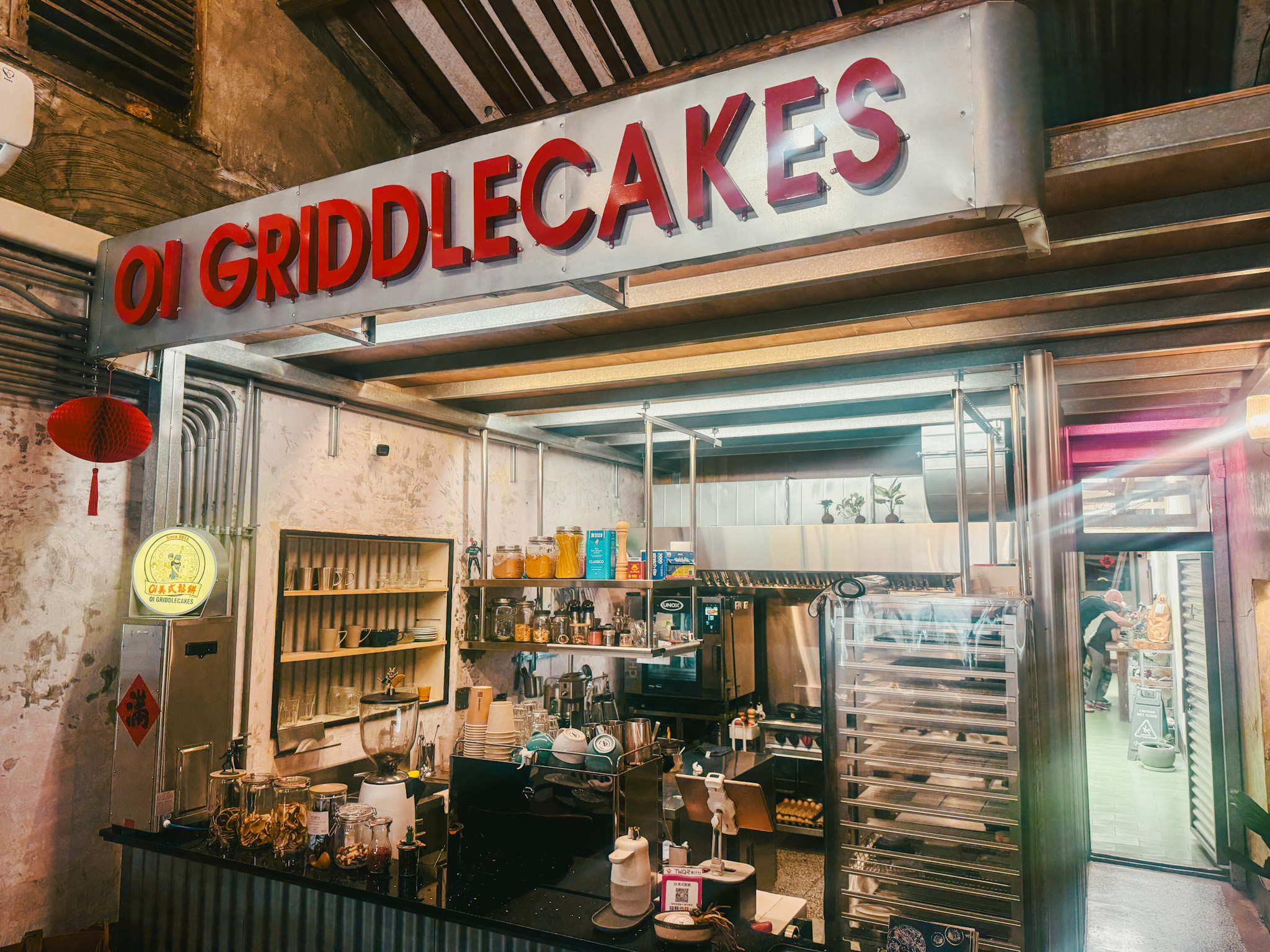
The next morning, Missi’s birthday, we took her to a delightful western breakfast at Oi Griddlecakes before setting out on a walking tour Max had built around a single question, which he asked the family to hold in the back of their minds all day: what makes a place yours?
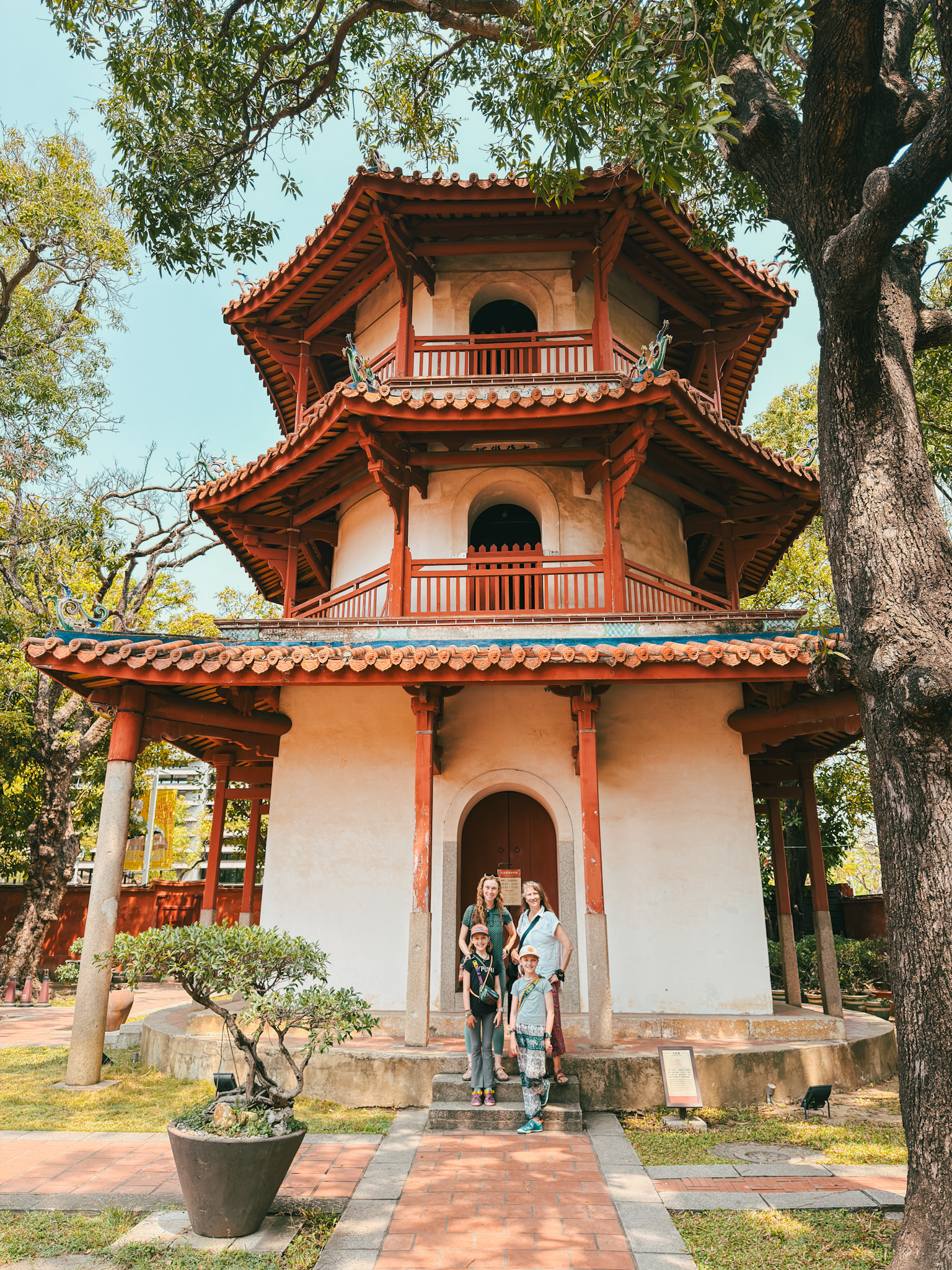
The idea was to let the history of Tainan answer across multiple eras. Dutch traders who built a fort in 1624 and called the island theirs. Koxinga, the Ming loyalist who drove them out in 1662 and called it his. Qing administrators, Japanese modernizers, Confucian scholars, a goddess of the sea. Each with a different claim on this city. None of them permanent.
The girls’ answer was immediate and confident: a place is yours when you’ve personalized it. Did you pick the colors? Did you hang the paintings? Does it look like you? We turned that over for a long time while walking. On the surface it sounds like the most 21st-century answer possible. But the more we sat with it the more we thought they’d actually identified something real. Personalization is just another word for intention. You made it look like you cared. You paid attention to this place. That might actually be the whole thing.
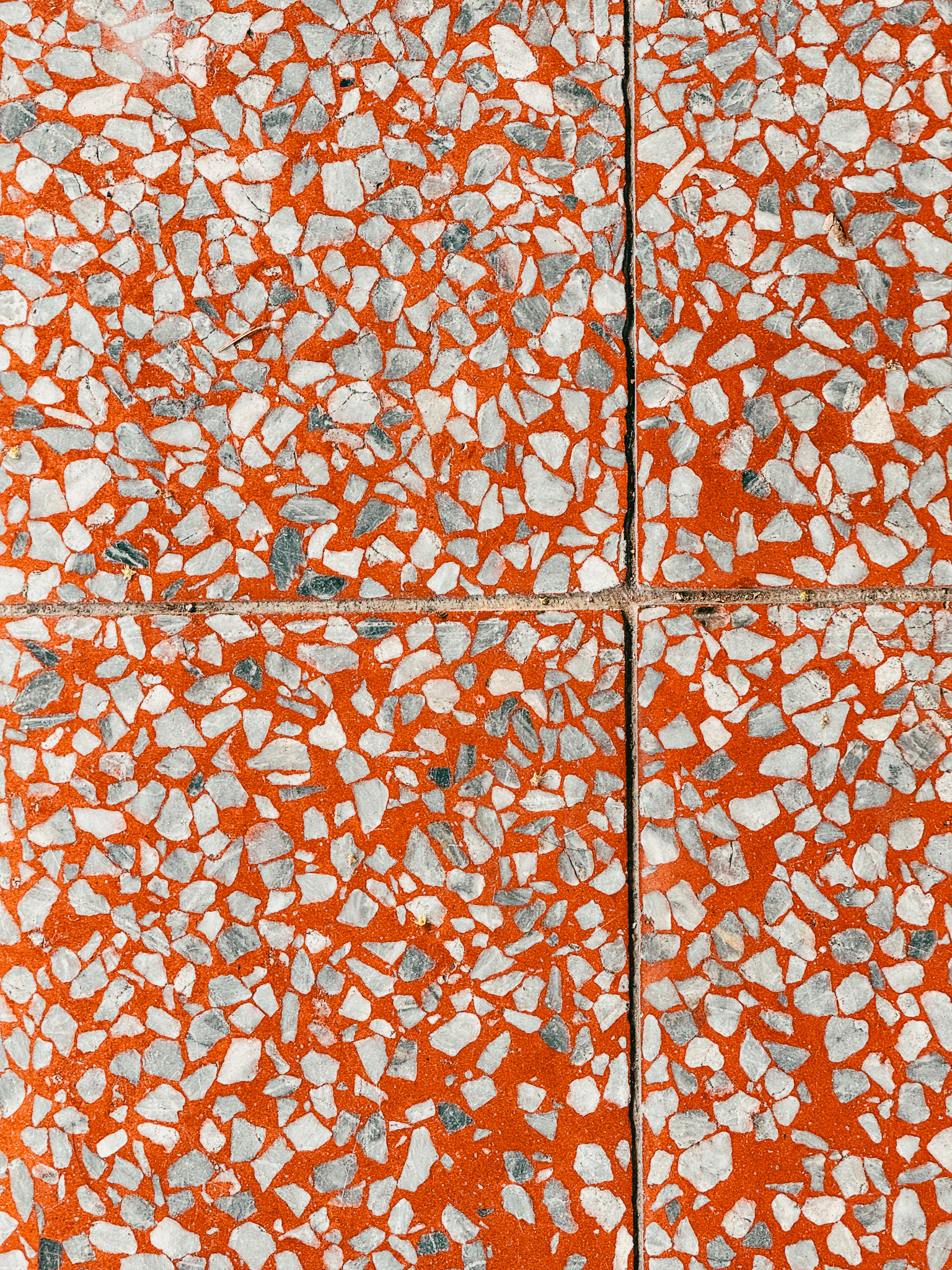
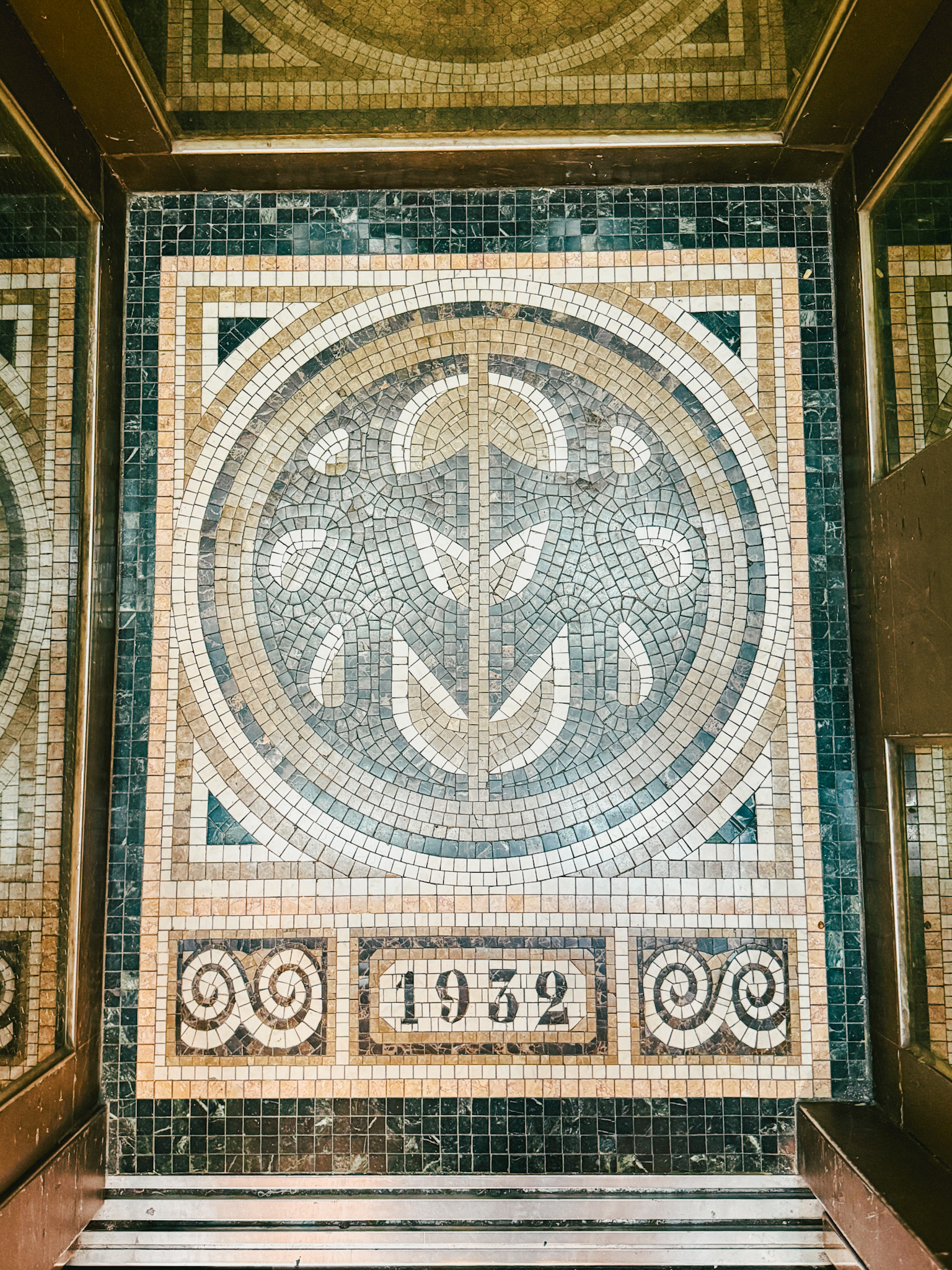
The stop that hit hardest, unexpectedly, was the Hayashi Department Store. Built in 1932 during the Japanese colonial period, it was the tallest building in Tainan when it opened, and people came in droves to ride its elevator purely for the novelty of it. The irony not lost on us, we then rode that same elevator just for fun, albeit an updated version, as the dial above the door marked our progress upwards. Original Terrazzo floors are everywhere, their surface worn smooth by ninety years of foot traffic to a kind of luminous patina you simply cannot manufacture. A recent renovation had the restraint to add clean lines and minimalism rather than erase what was already there. The old things still speak. The new things are quiet enough to let them.
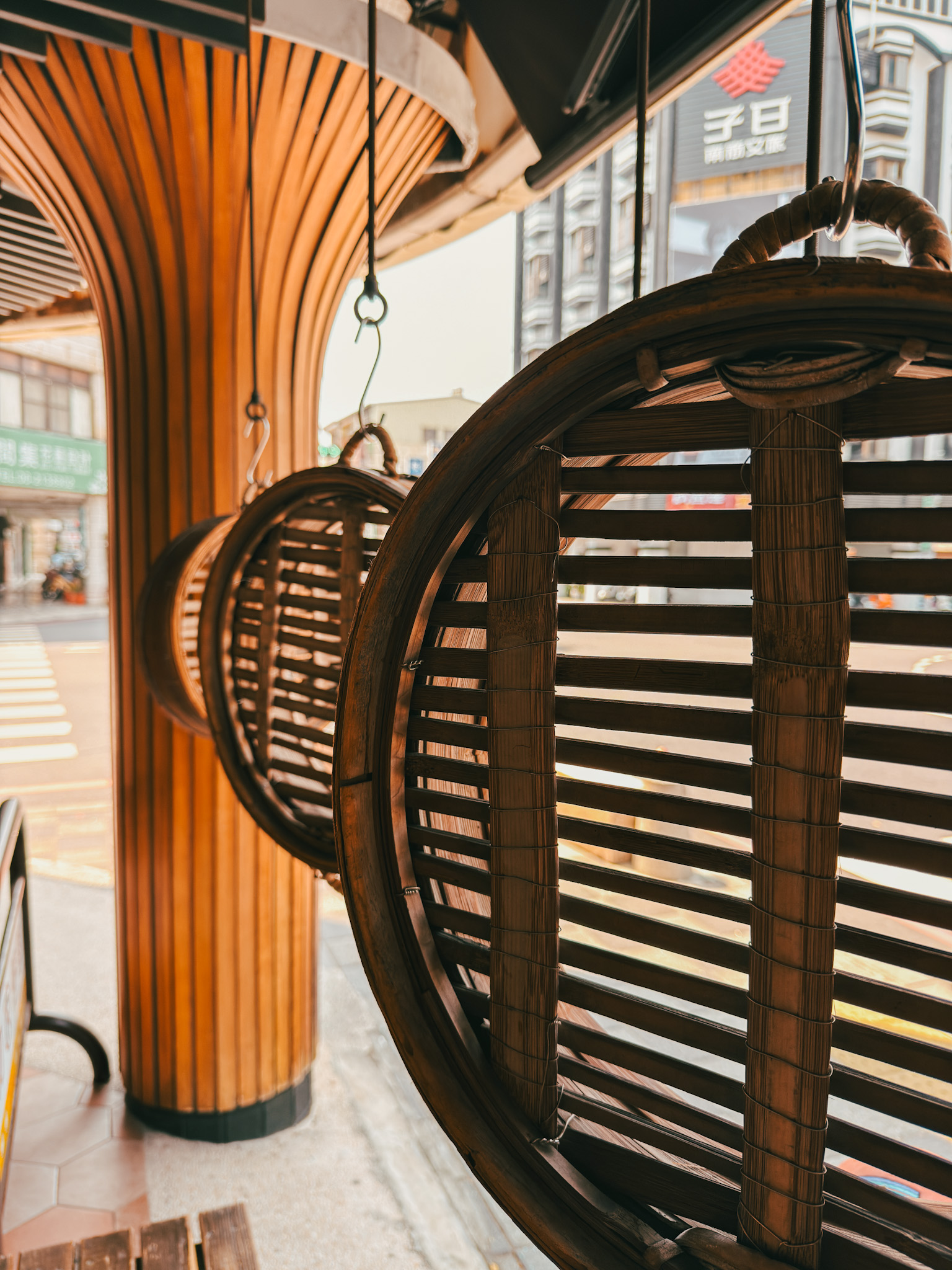
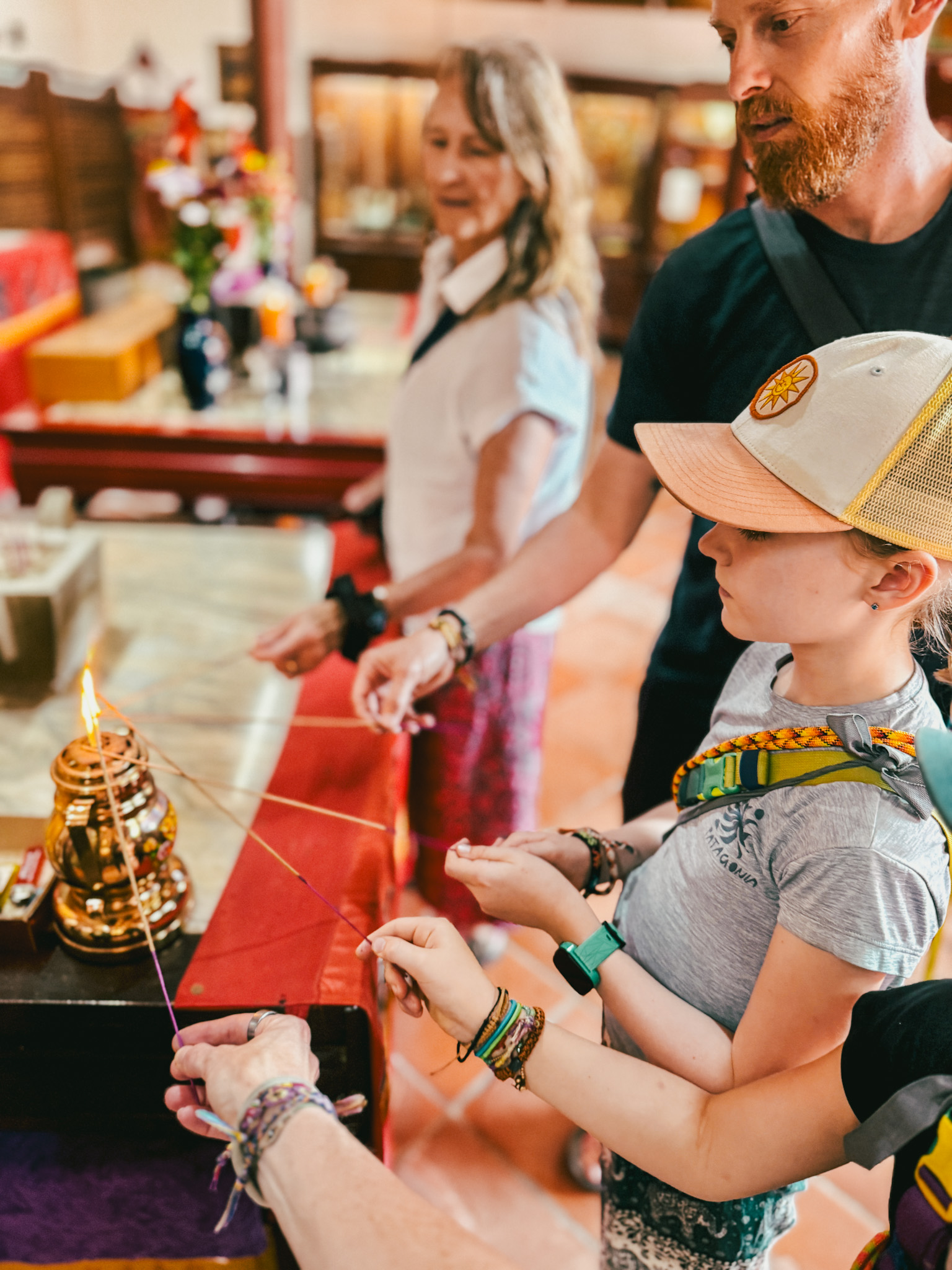
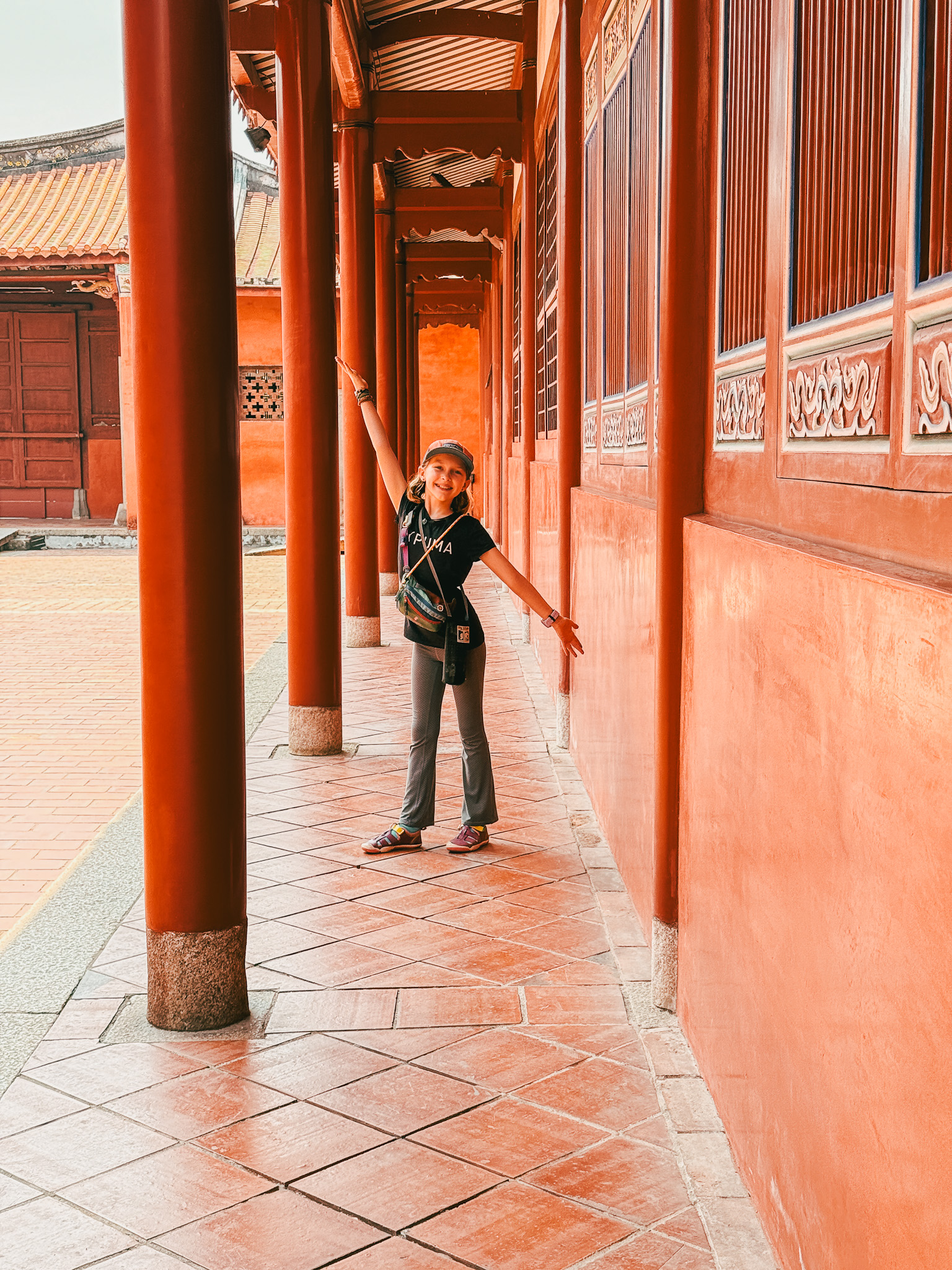
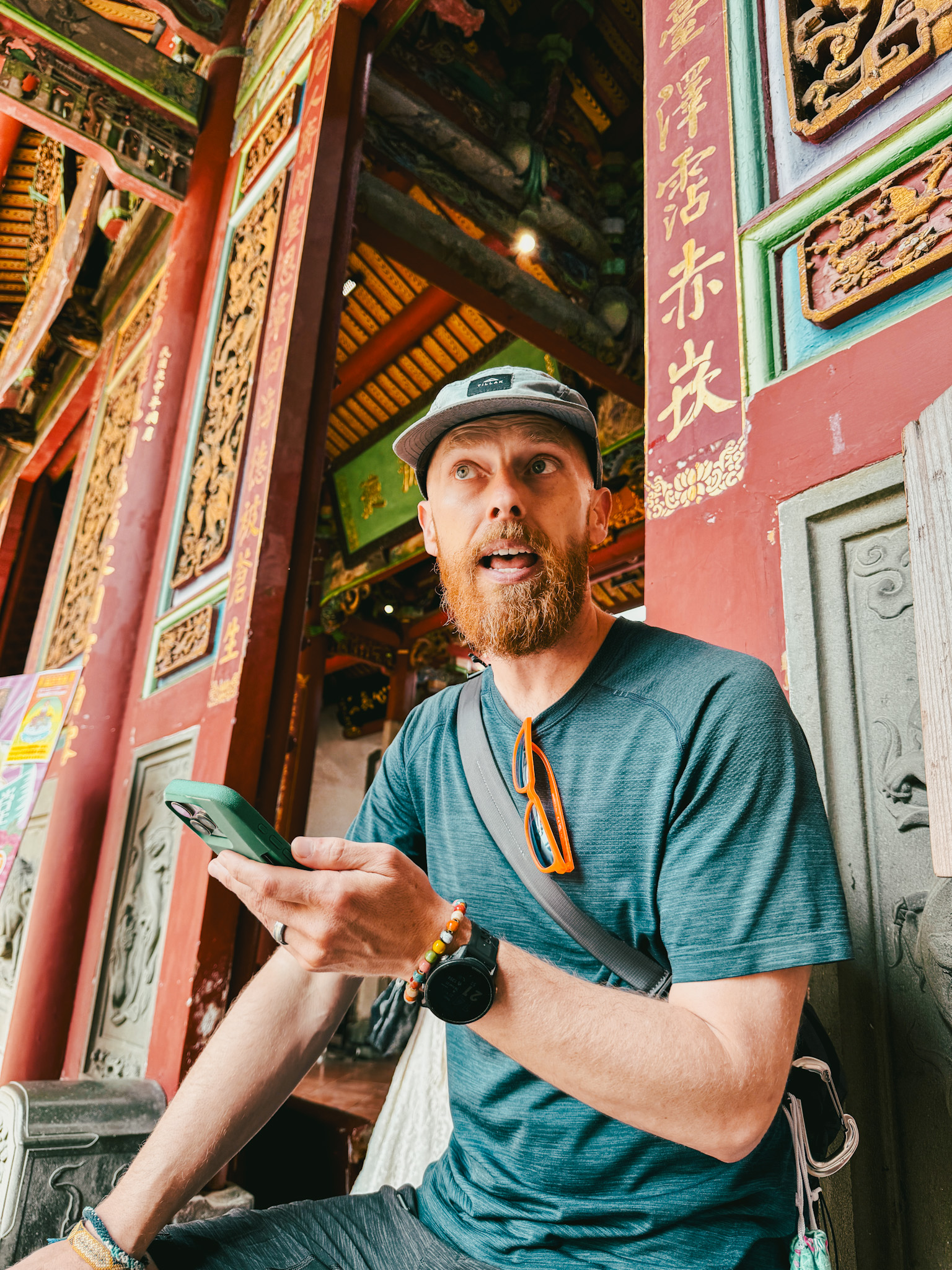
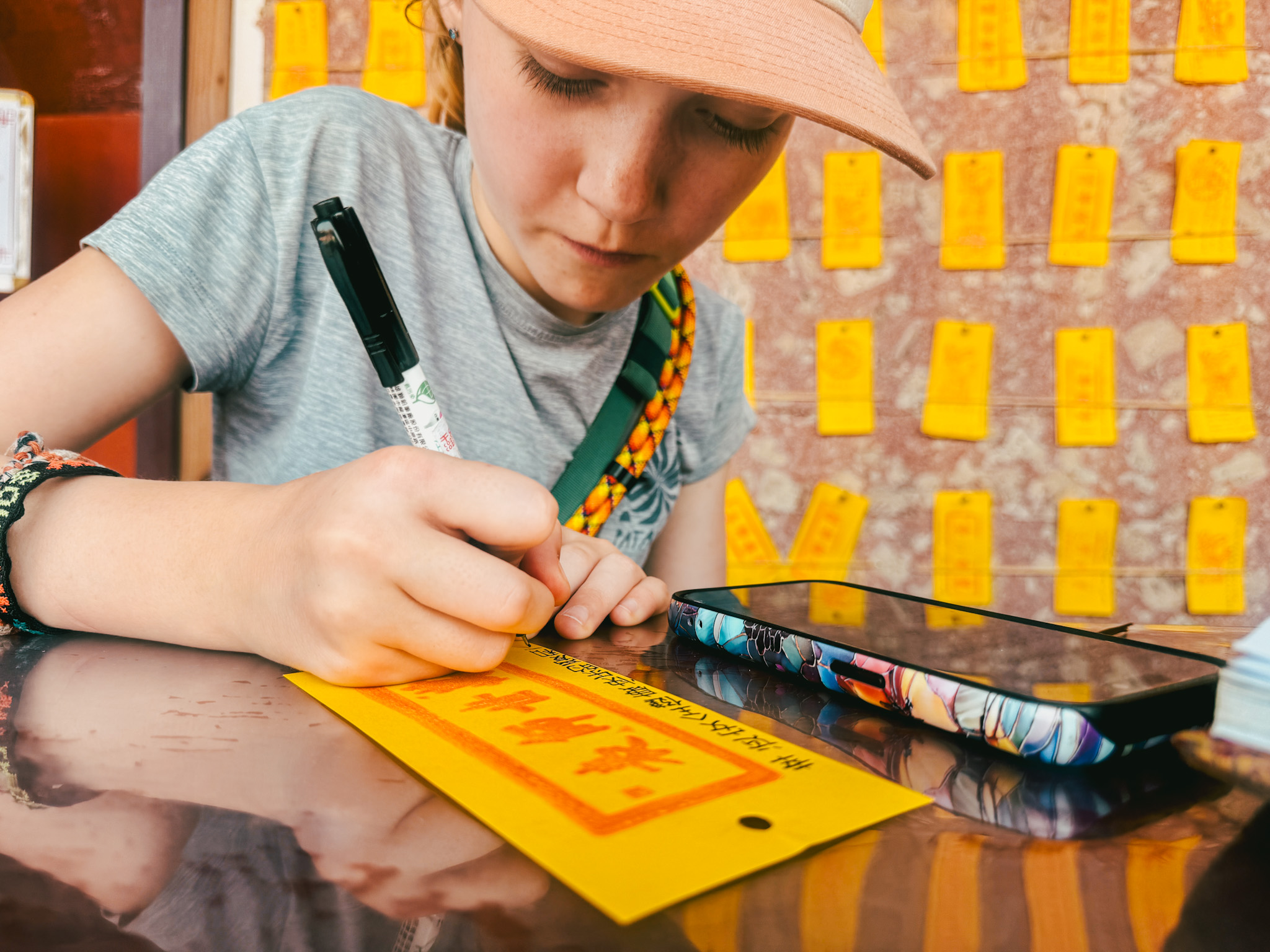
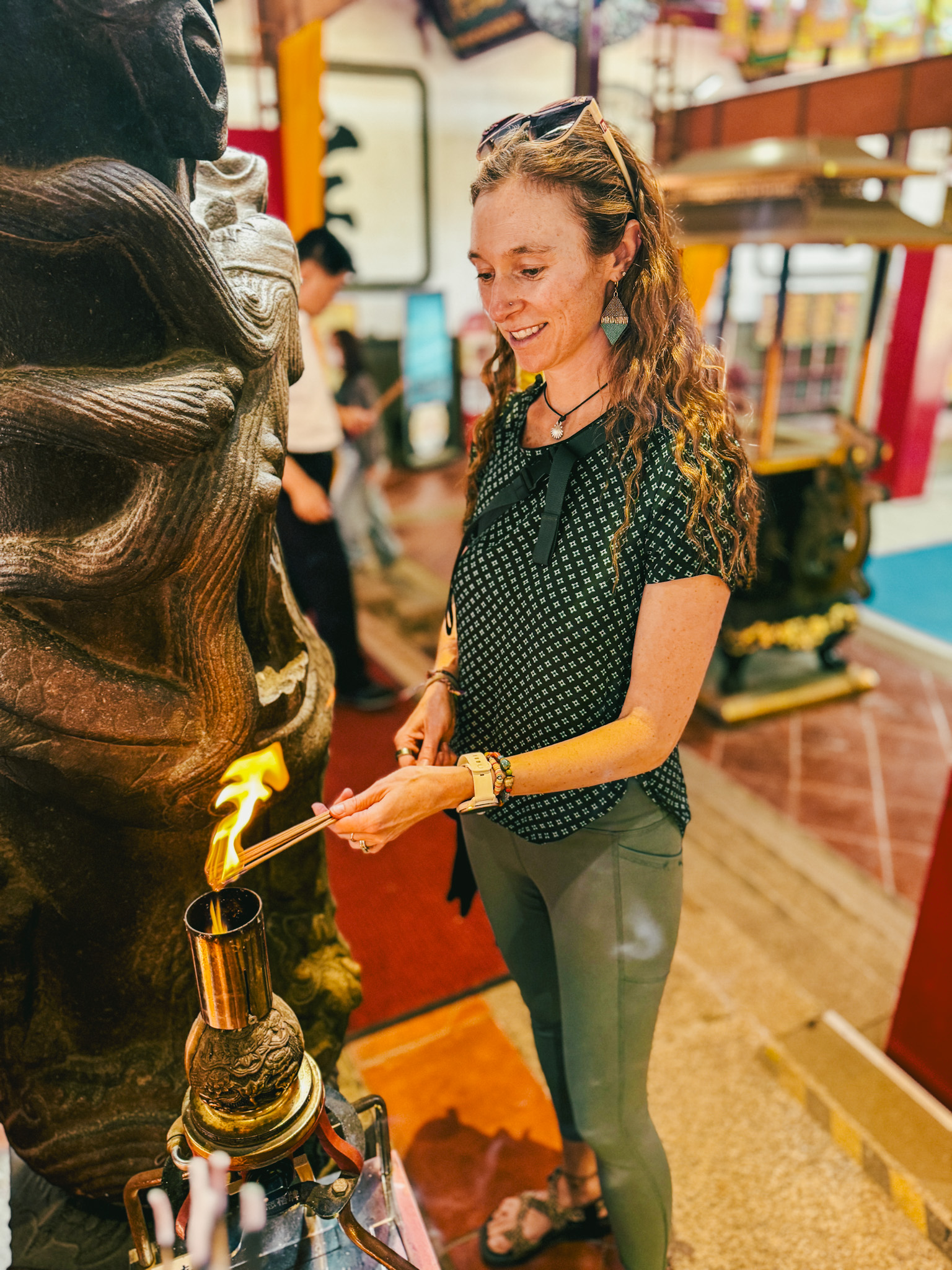
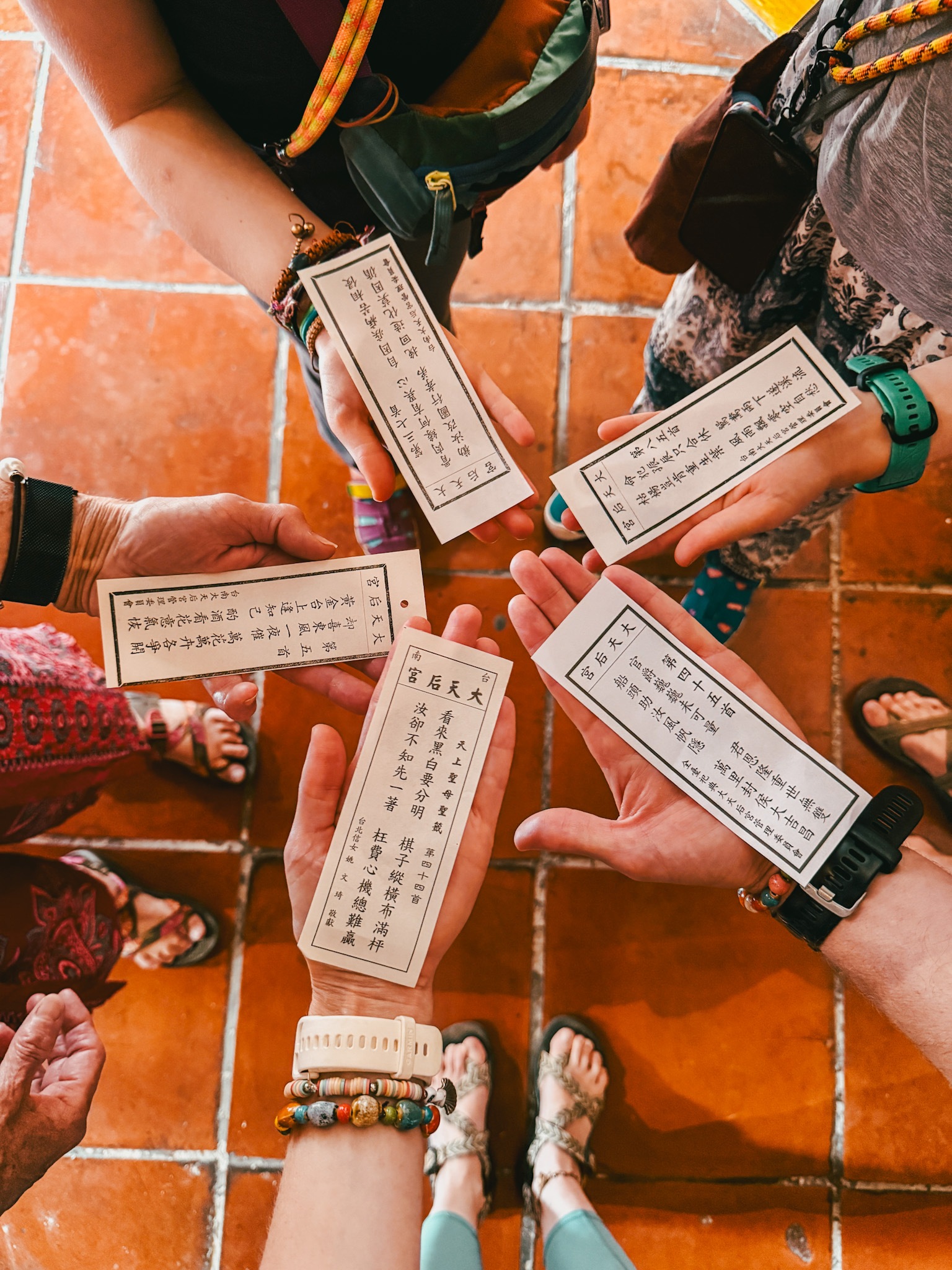
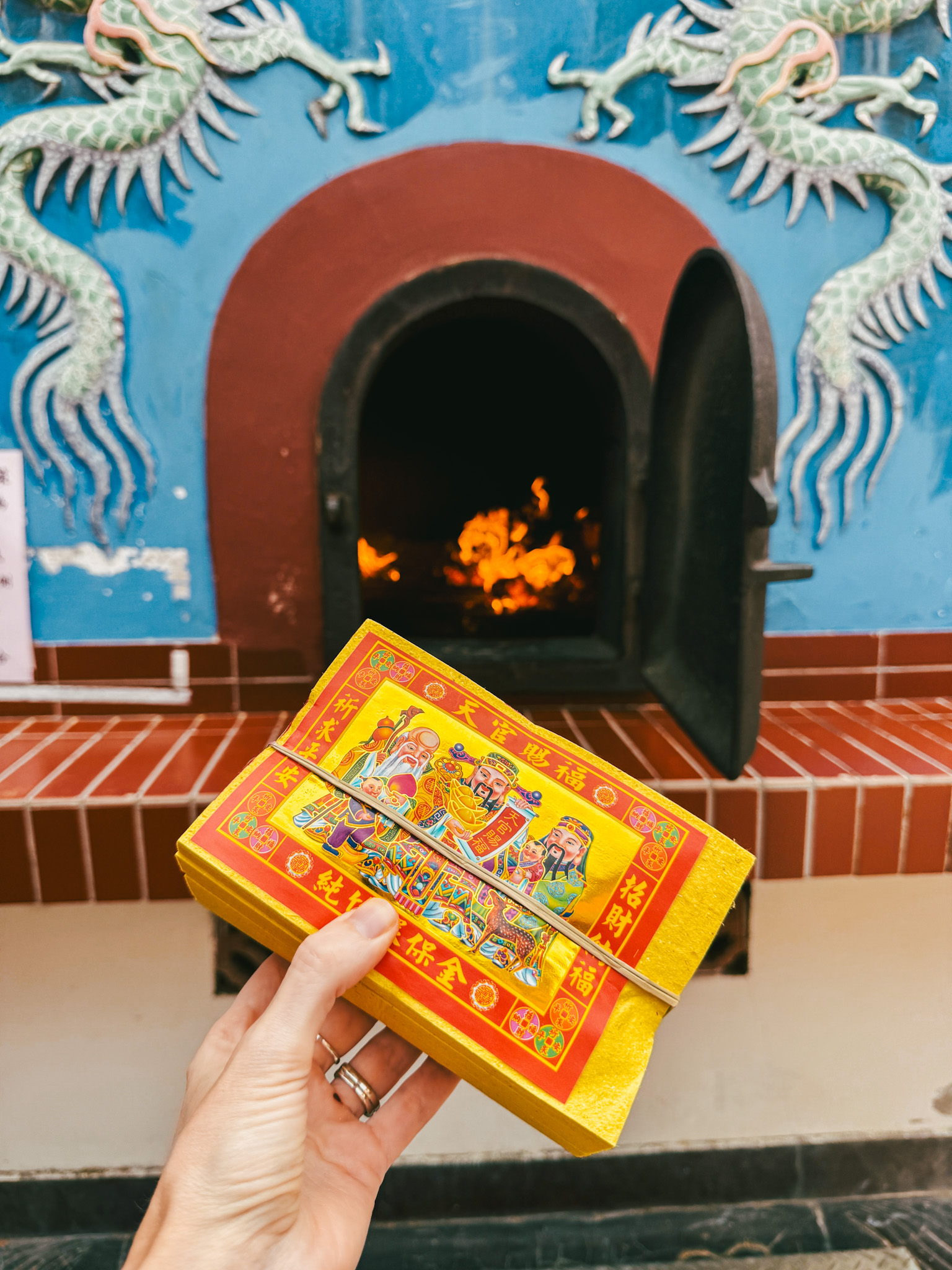
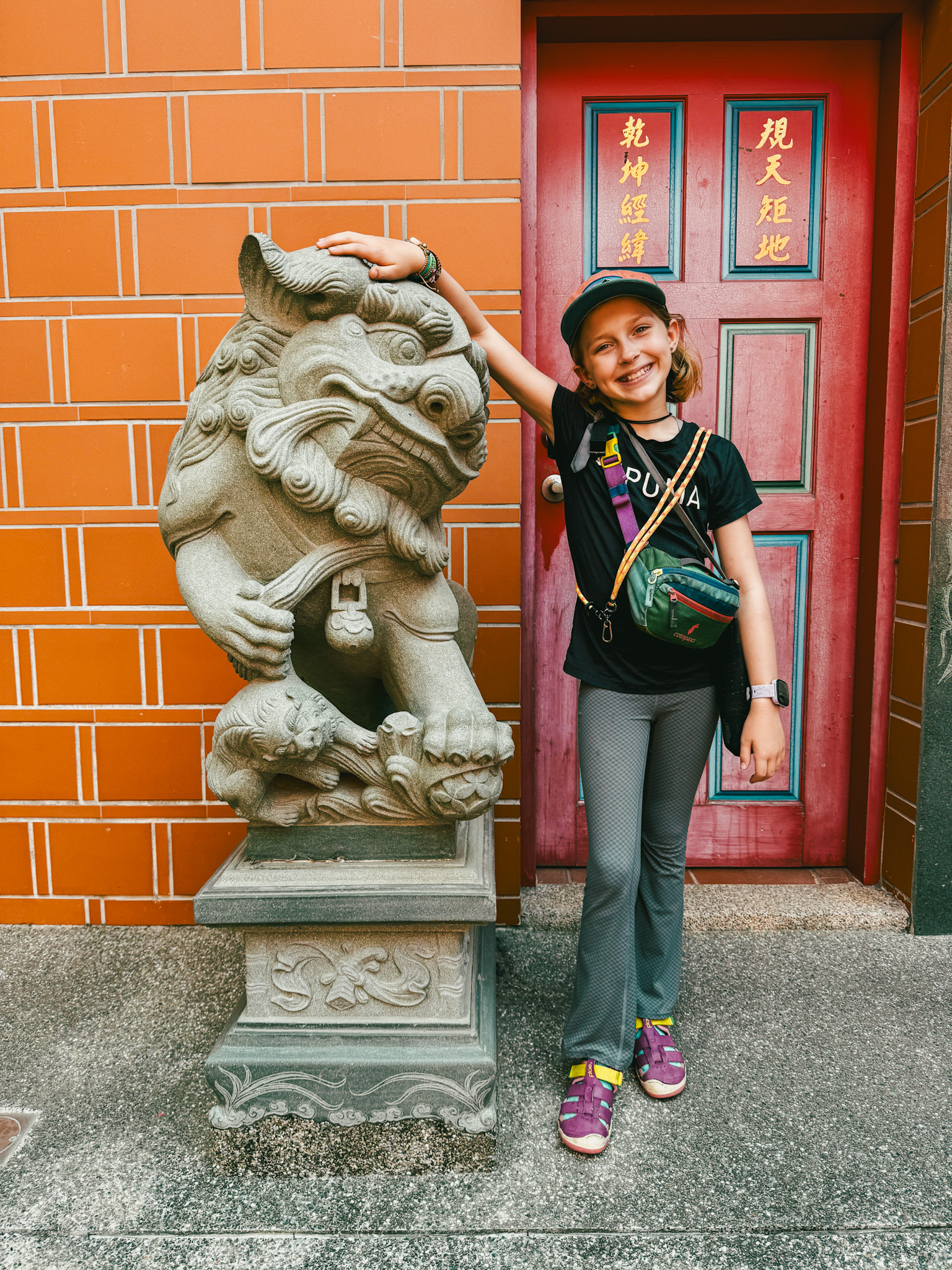
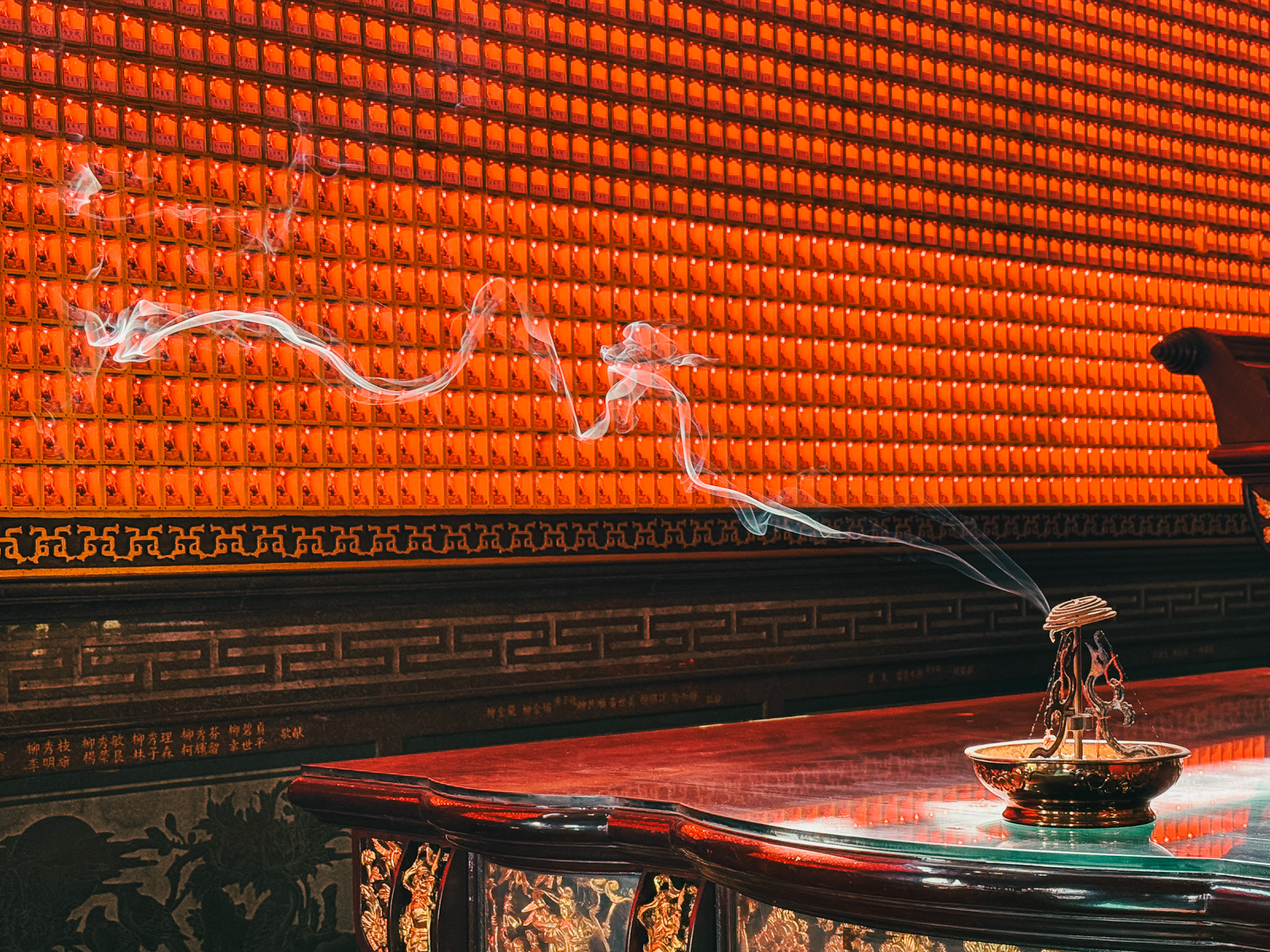
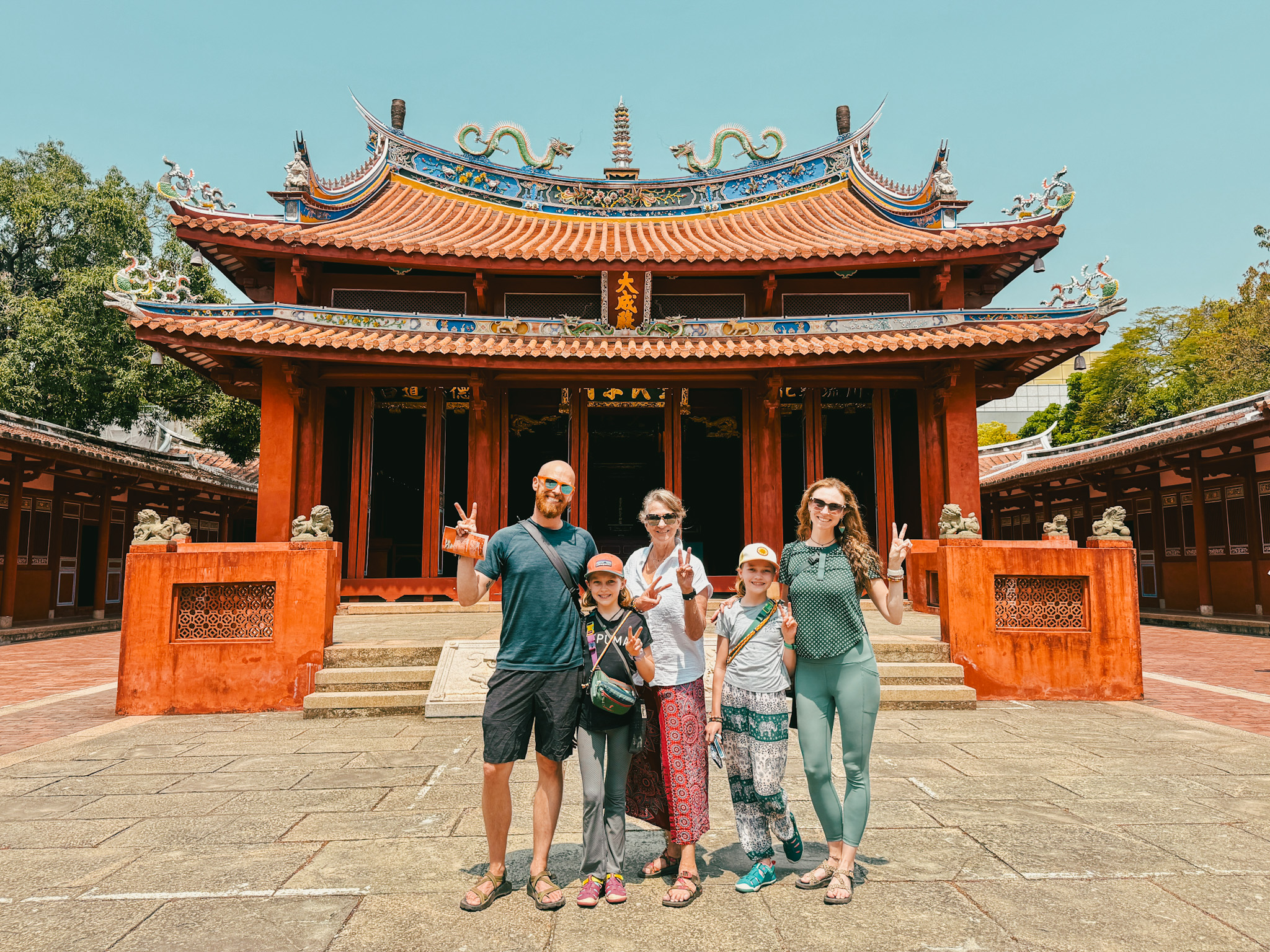
The Mazu temple was the other revelation. Mazu is the goddess of the sea, deeply venerated across Taiwan, and her temple was alive in a way that the Confucius Temple, for all its historical significance, was not. People streamed in and out the entire time we were there, not as tourists but as genuinely faithful worshippers moving through a ceremony as routine to them as morning coffee.
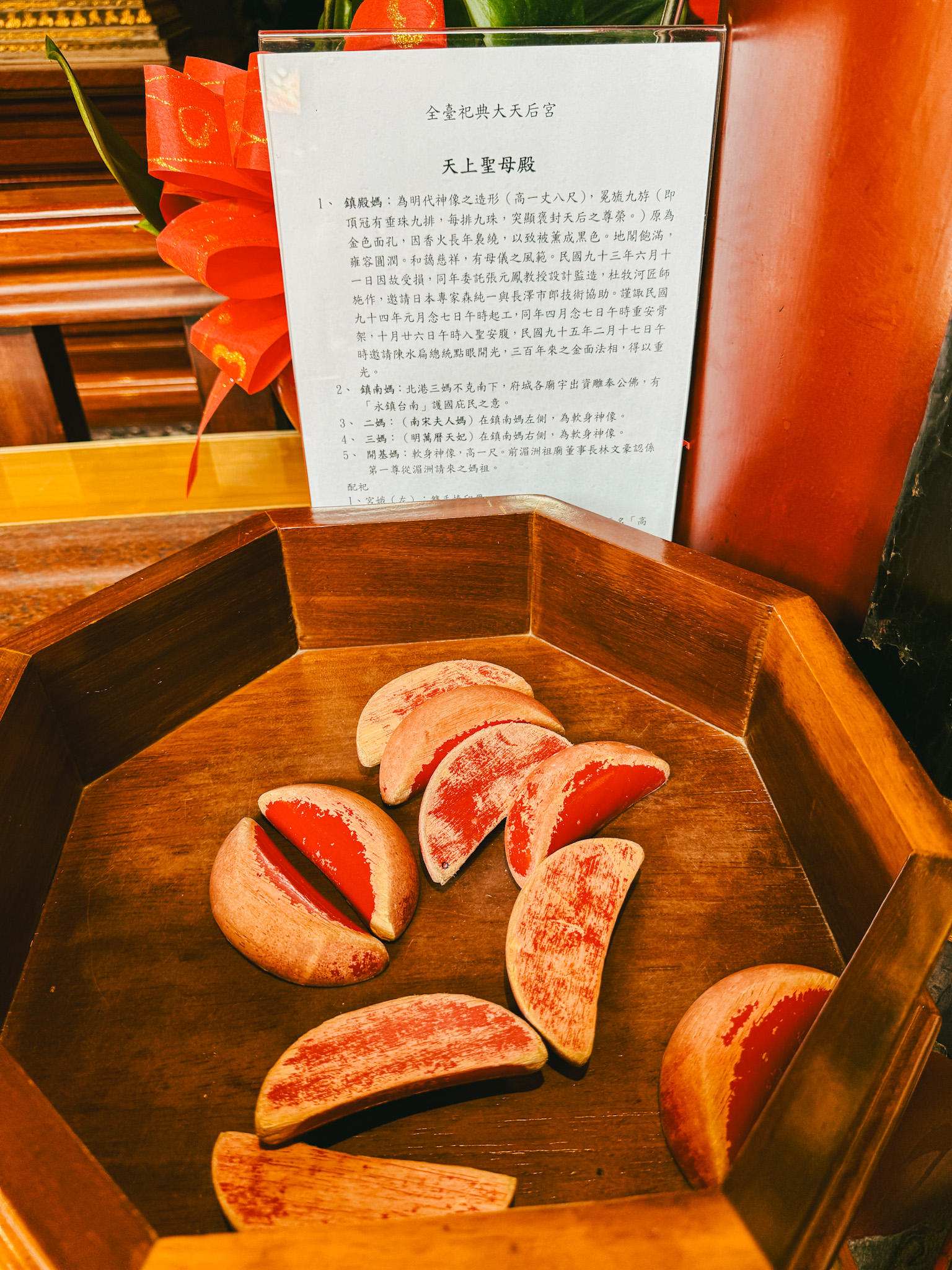
What most captivated us was the jiaobei. Small curved wooden pieces, flat on one side and rounded on the other, that worshippers throw on the stone floor to communicate with the deity. One flat side up and one rounded side up means yes. Both flat means the goddess is laughing at you, also a no. Both rounded means she’s displeased, a harder no. The sound as they landed was sharp and definitive, cutting through the incense smoke. A person and a question and a clattering pair of wooden crescents on a stone floor. No priest intermediary, no scheduled service. Just ask. Throw the wood. Read what you get.
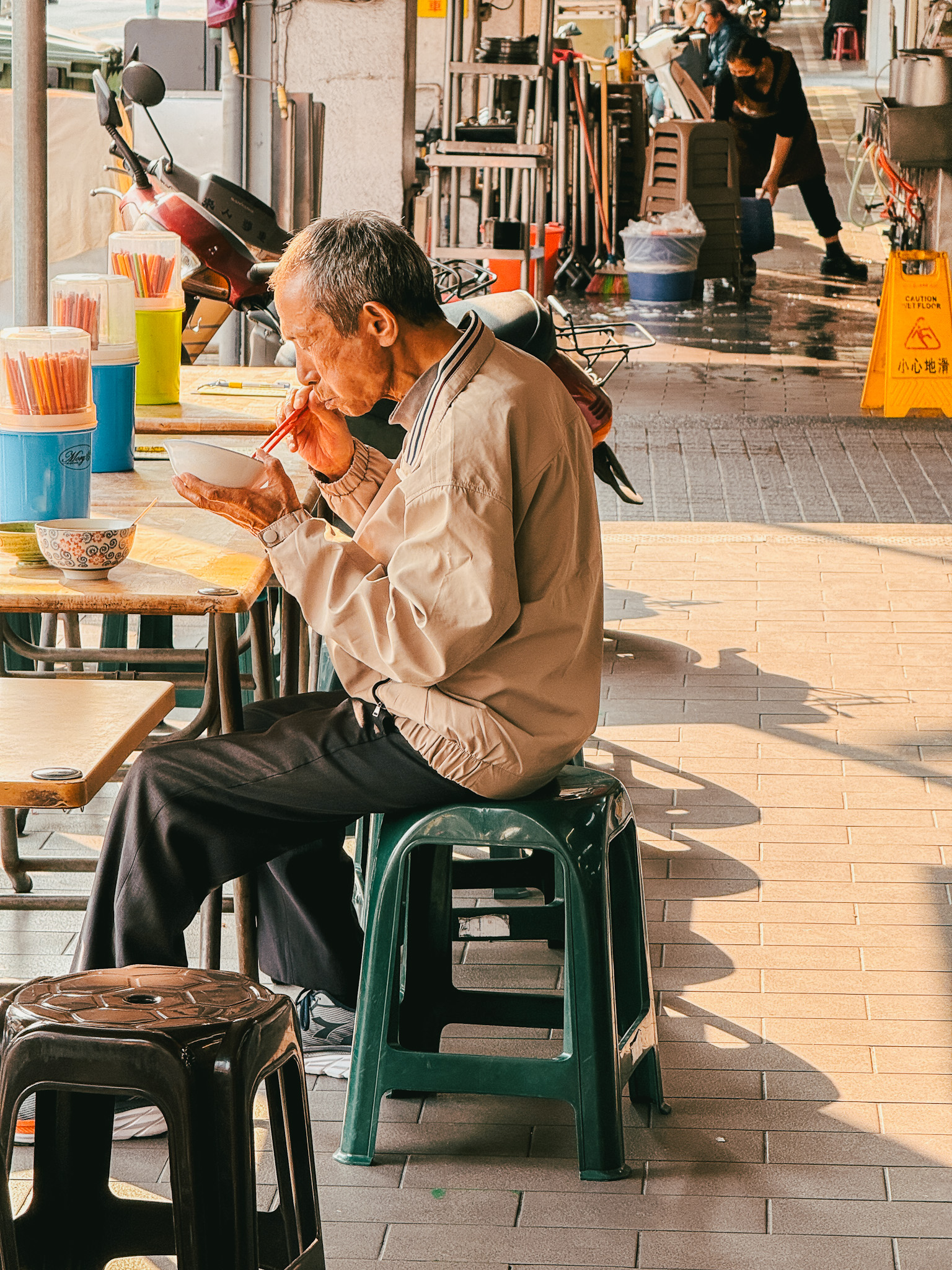
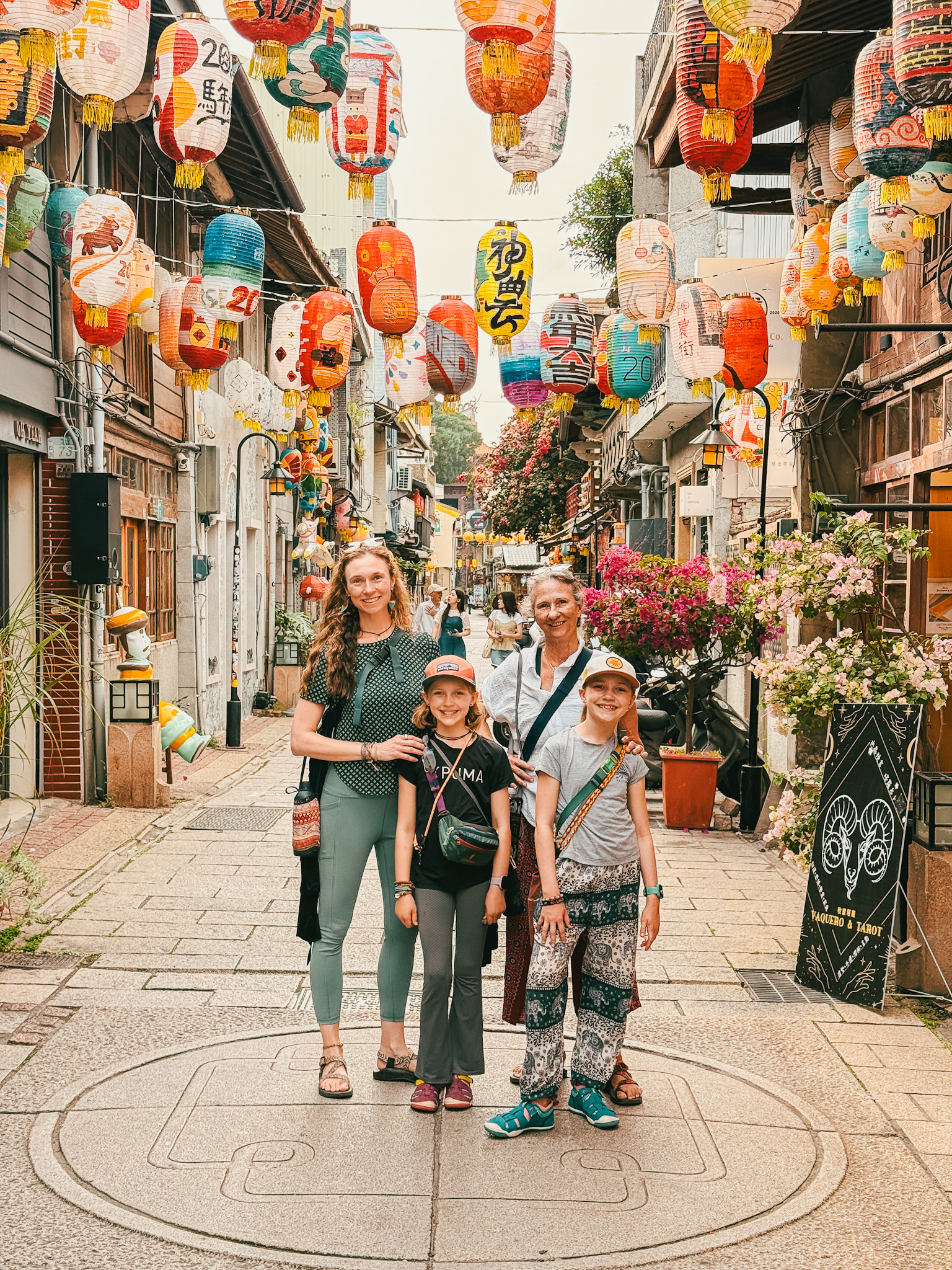
We walked. We ate gelato. We wandered Shennong Street in the golden late afternoon light until Missi’s phone case snapped in half as she pulled it from her pocket, and we happened to be standing directly in front of a cell phone accessories shop. The two women running it wanted nothing more than to talk. One of them had family in Mississippi and Texas and was delighted to hear about our trip in a way that felt completely unperformed. We stood there for fifteen minutes, chatting with the elderly woman through partial language barriers and doing fine. The girls mostly ignored us as the young lady working there doted on them, gifting candies and juices for simply being adorable. That kind of exchange, random and entirely dependent on a broken phone case, is one of the things you try to remember when the harder parts of a long trip start to stack up.
Which is a reasonable segue, because seven months in, the harder parts had been making themselves known.
The honest version: we are past the honeymoon phase by a wide margin. The best analogy we have is a marathon. Mostly a pretty journey that goes through beautiful places, where once-in-a-lifetime experiences abound, and meals so good they feel nearly transcendent. But like any marathon, small aches make the effort feel more arduous than you’d signed up for. The particular ache that’s hardest to shake arrives at the end of each day: showering in a bathroom that isn’t yours, getting into a bed you’ll never sleep in again after this, wishing for one single familiar object. During the day, moving and eating and looking at things, it’s easy to feel lucky. It’s the end of the day where the absence of home is most acute.
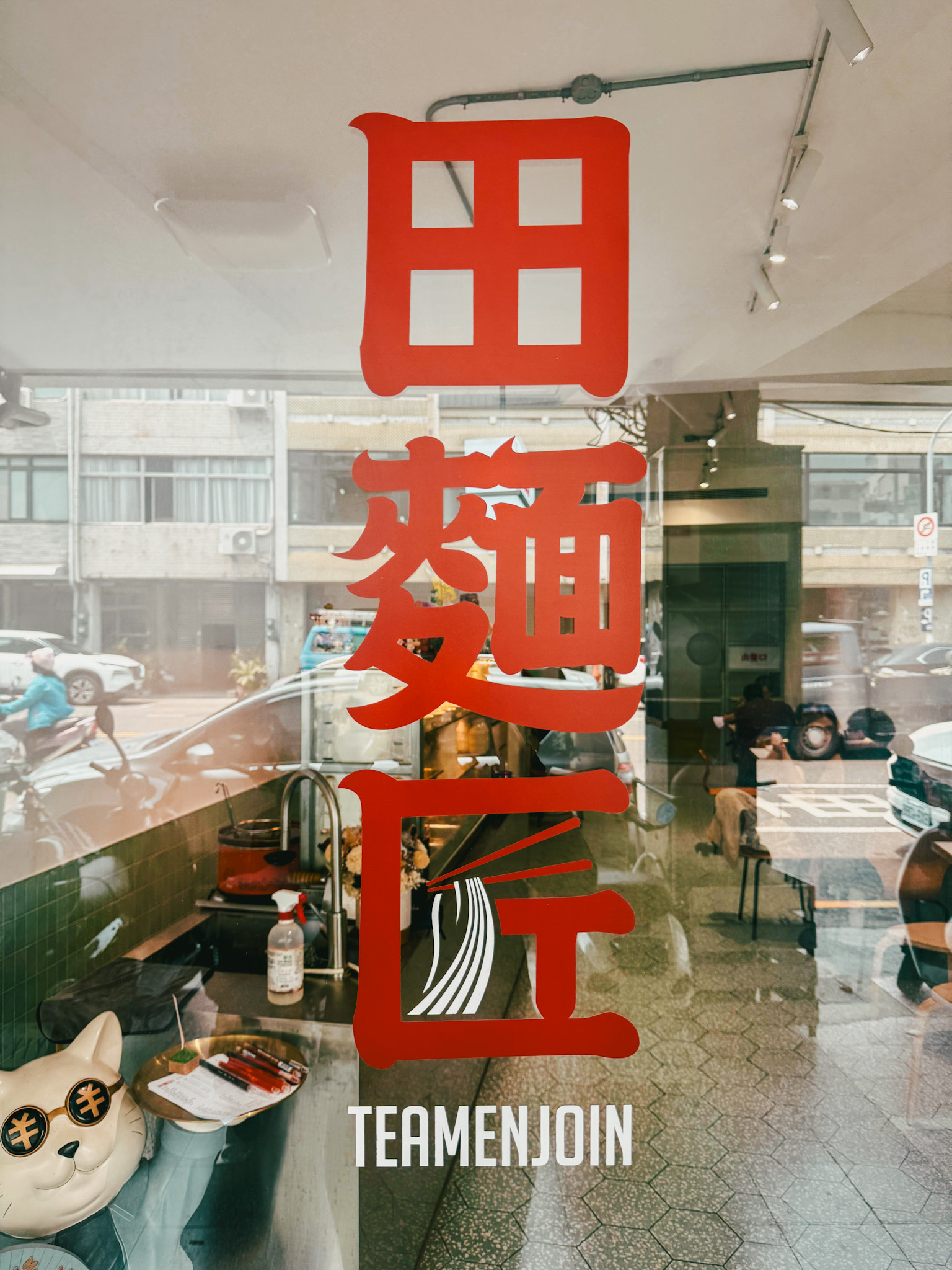
The good news is that Tainan turned out to be exactly the right place to be when you need to slow down and stop performing enthusiasm. It’s a city that rewards wandering over itinerary, stumbling over planning, returning over exploring. We learned this primarily through a noodle and dumpling restaurant called 田麵匠.
We found it on our third day, almost by accident, and it was flawlessly executed in every respect: spicy noodles, delicate dumplings, a warm and genuinely friendly owner who shook our hands on the way in and thanked us for coming on the way out. We said we’d go back. He doubted us and followed up with a half-serious “ok, you promise?”
We went back the next day.
And the day after that.
And the day after that.
By the end of the stay we had lost count. The owner greeted us each time with what appeared to be genuine warmth, though by the fourth or fifth visit it’s possible that warmth contained an element of bemused familiarity. We were not adventurous diners in Tainan. We were regulars. Zero apologies.
Between visits to 田麵匠 we actually did other things. The Anping District, on the western edge of the city, is where Tainan began: the site of Fort Zeelandia, which the Dutch built in 1624 to anchor their trading operations on the island. The fort has been so thoroughly rebuilt and reconstructed over the centuries that it is essentially a reproduction of a reproduction of something that no longer exists, a fact the girls found genuinely hilarious.
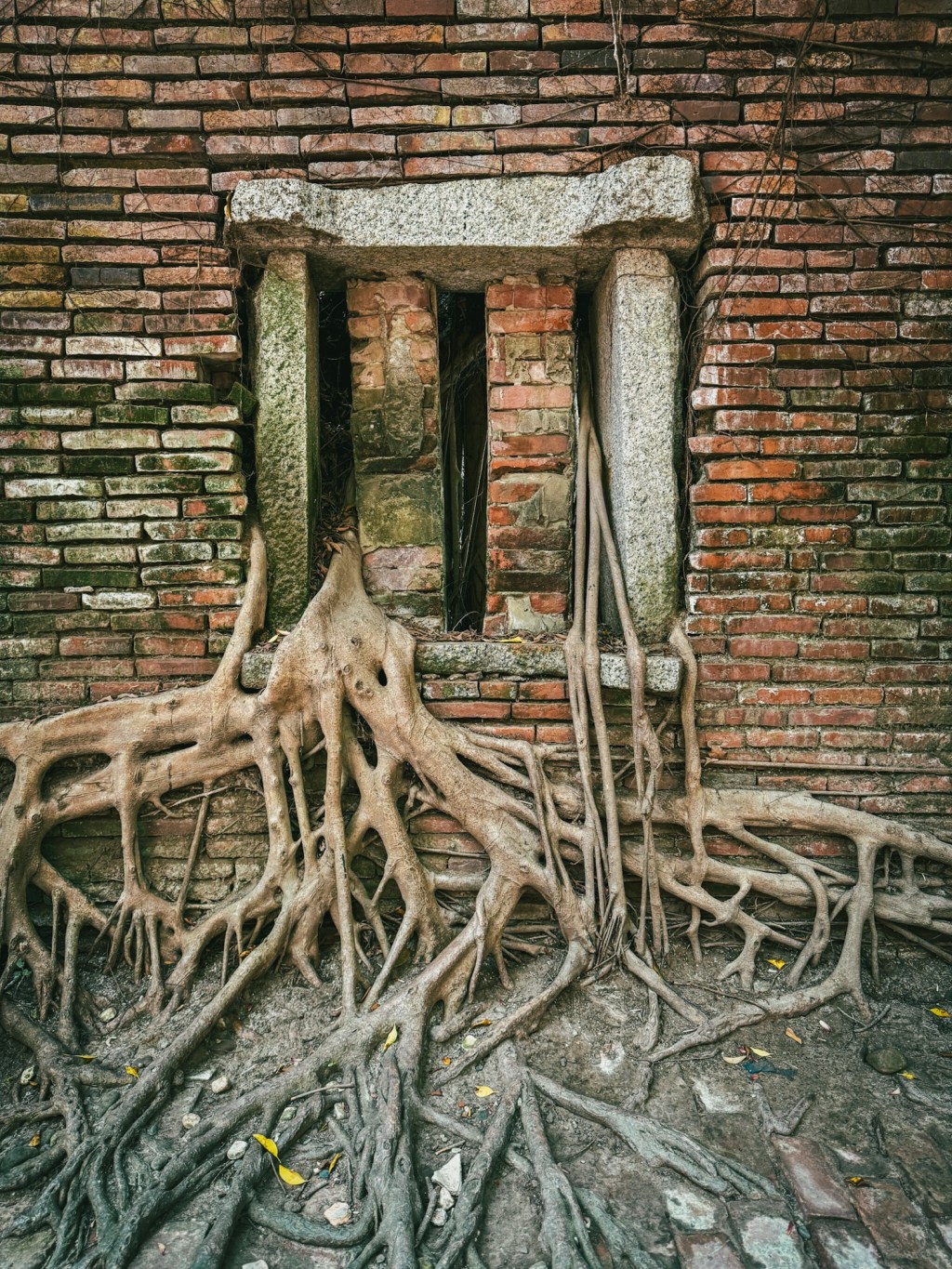
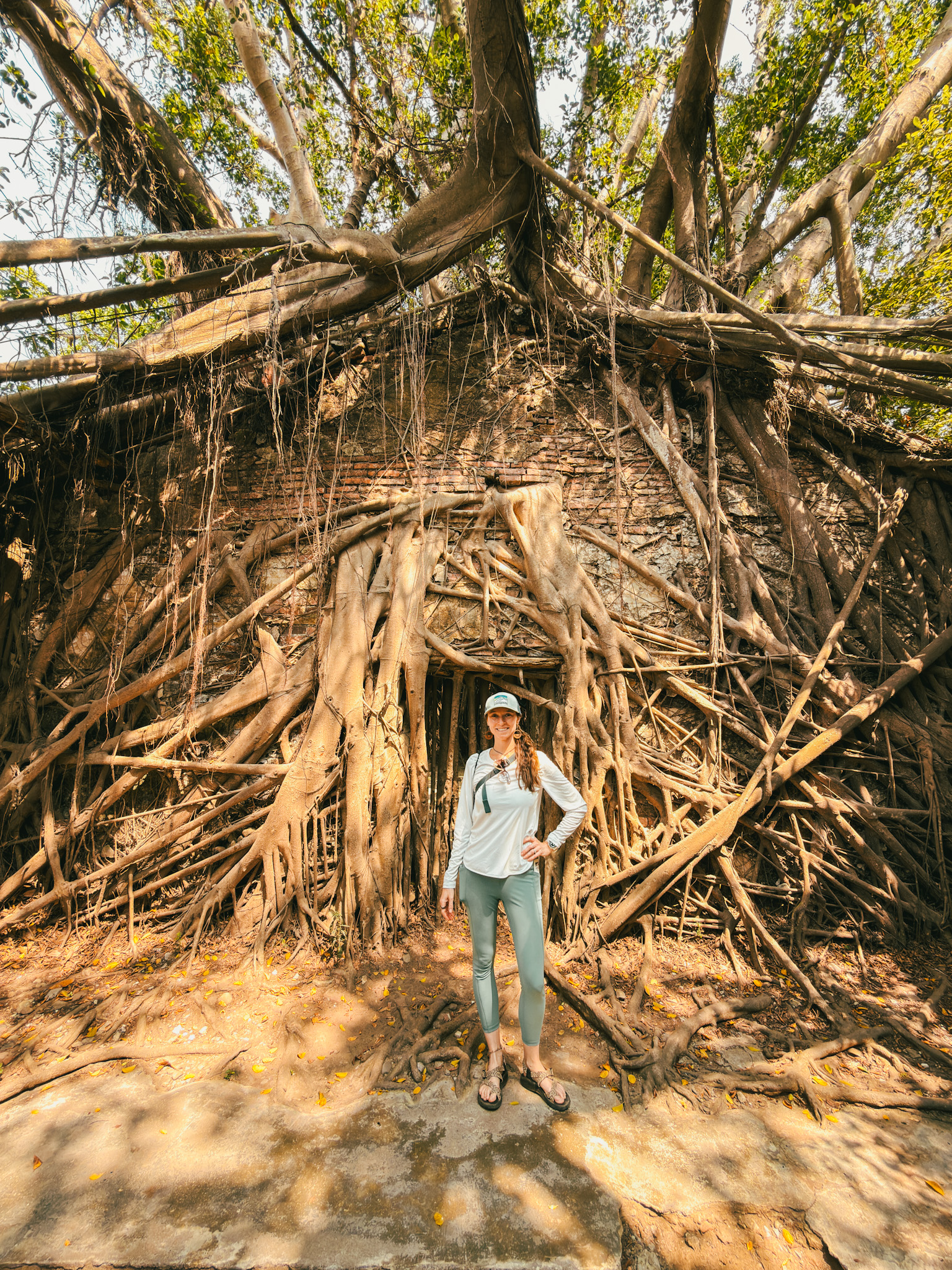
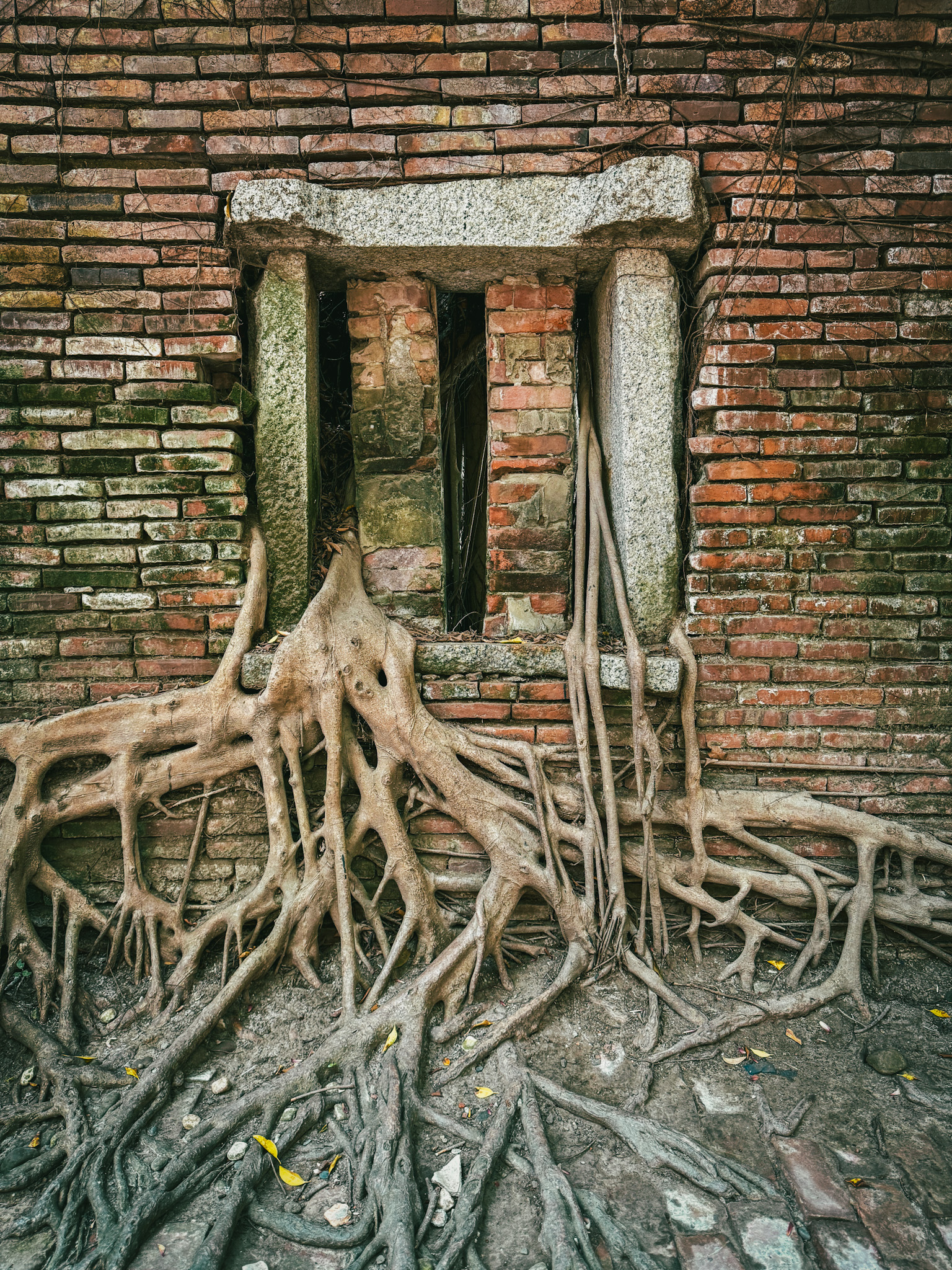
The real highlight of Anping was the Tree House, a former Japanese-era warehouse abandoned after World War II and left to the banyan trees that had taken root in and around it. The trees did not waste the opportunity. Over the following decades they grew through the walls, over the roof, and around the entire structure until the building and the forest became a single thing. The effect is extraordinary: you’re walking through ruins that are also alive, with roots as thick as columns threading through gaps where walls used to be and a canopy overhead filtering the light in all directions. The girls loved the idea of a tree eating a building in slow motion. Shaina felt like Angelina Jolie in Tomb Raider. What we really loved here was the design philosophy the restorers had chosen: rather than rebuilding or clearing the ruins, they used steel I-beams painted black to support what remained, and mirrored surfaces to suggest open space where walls now blocked it. The supports fade into the background. The mirrors trick your eye. You feel like you have the ruins to yourself even when you don’t.
On the walk home through the old merchant streets of Anping, we spotted a small restaurant with a long line of locals out front and nobody who looked even remotely like a tourist. We joined the line. A man near the front turned around and asked, in English, if we knew how to order.
We did not.
Did we know what we wanted to order?
We did not.
Did we even know what they were selling?
We did not. We saw the line, it smelled good, and we were hungry.
He laughed so hard we were fairly sure we’d made his day. He explained that they only sold three types of bento boxes: either pork, chicken, or fish, with steamed rice, fried egg, stir-fried cabbage, and noodles. We wanted two chicken and two pork, Max told him. He provided the Mandarin. Max ordered and we walked out with four boxes. Enough food for all five of us. Twelve US dollars total.
We ate on the steps across the street leading up to the National Art Museum of Tainan, while a live performance played in their foyer and the sun went down. It was one of the better meals of the whole Tainan stay, and we’d found it by standing in a line for something we couldn’t identify.
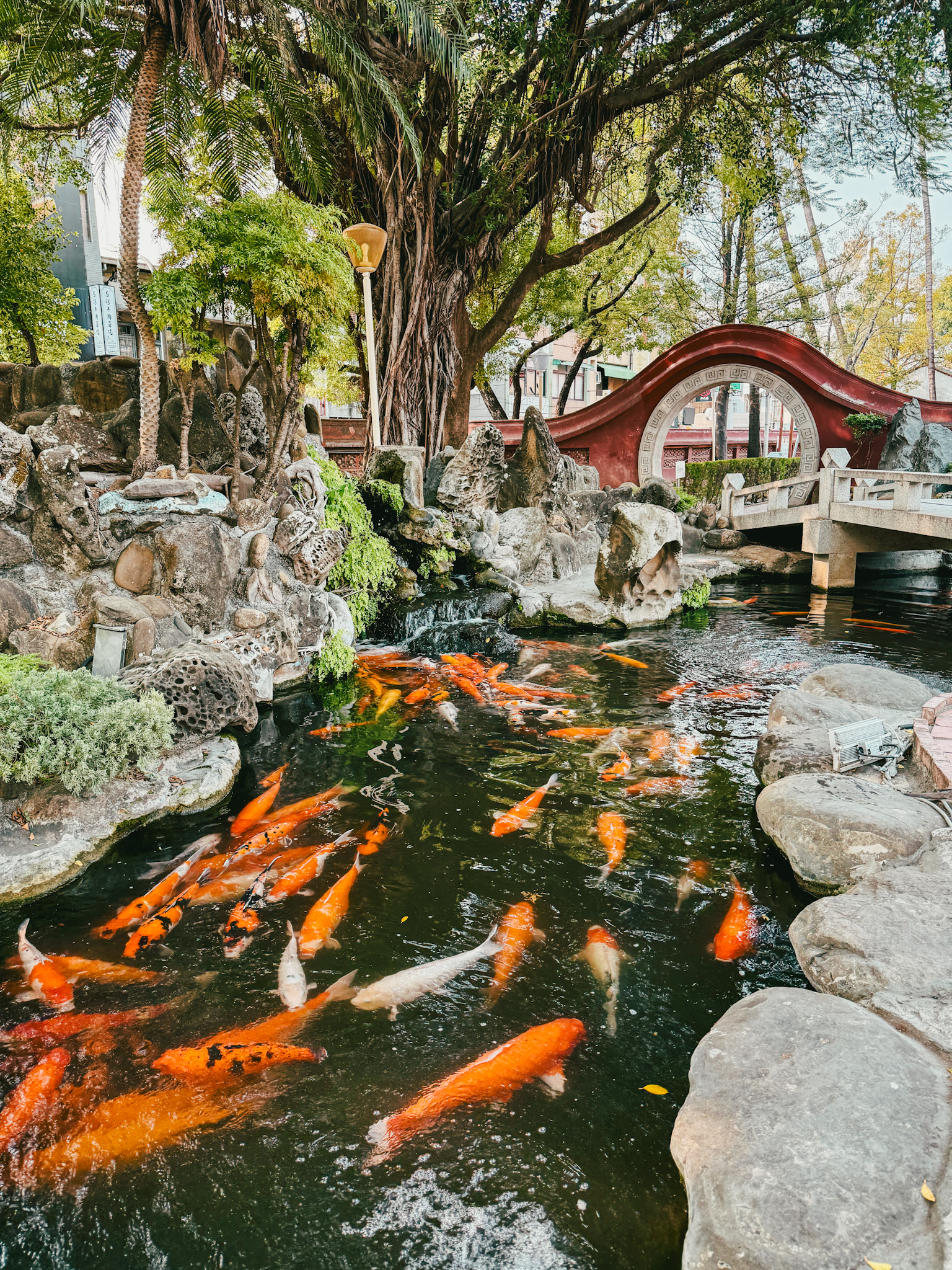
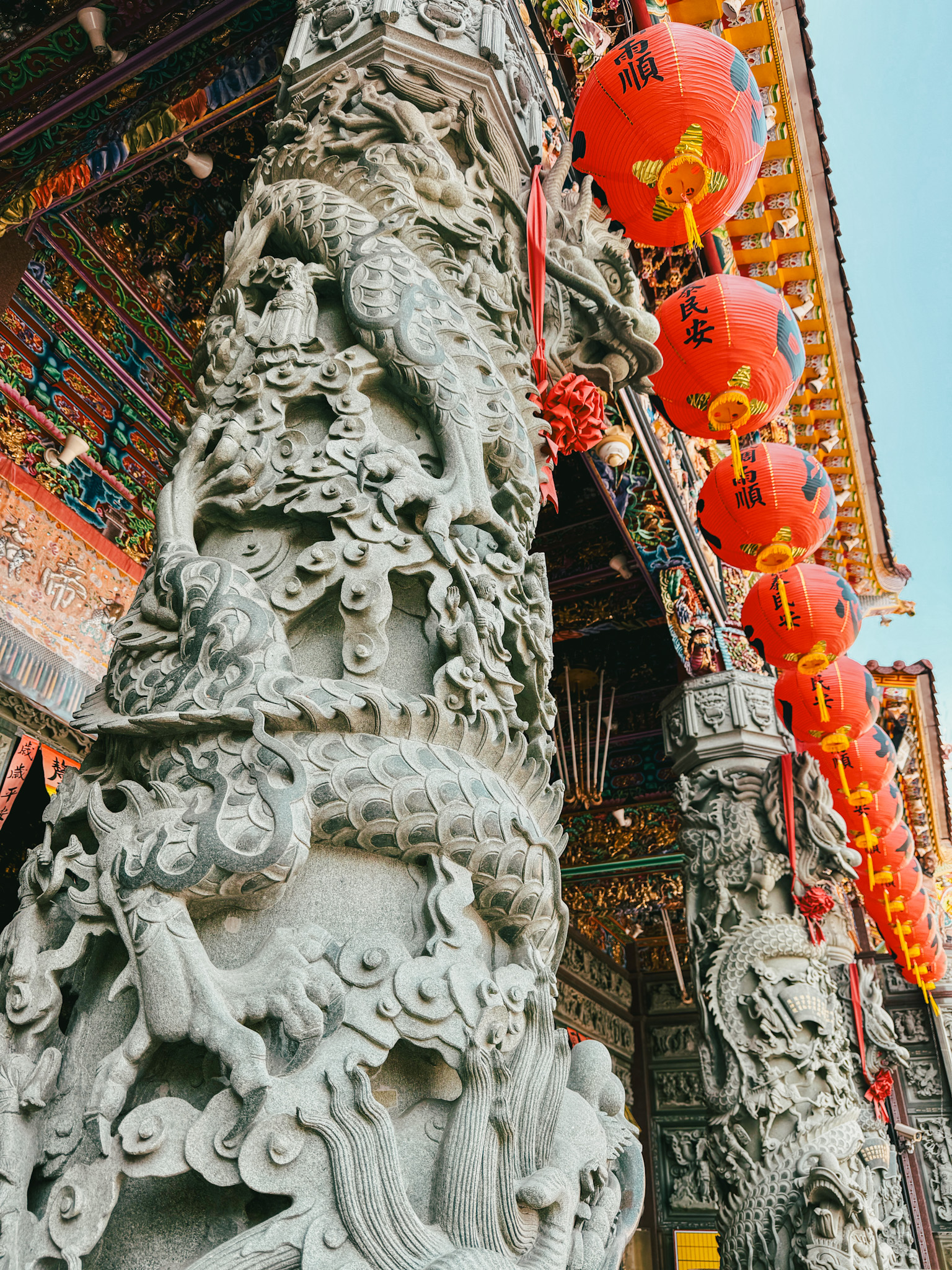
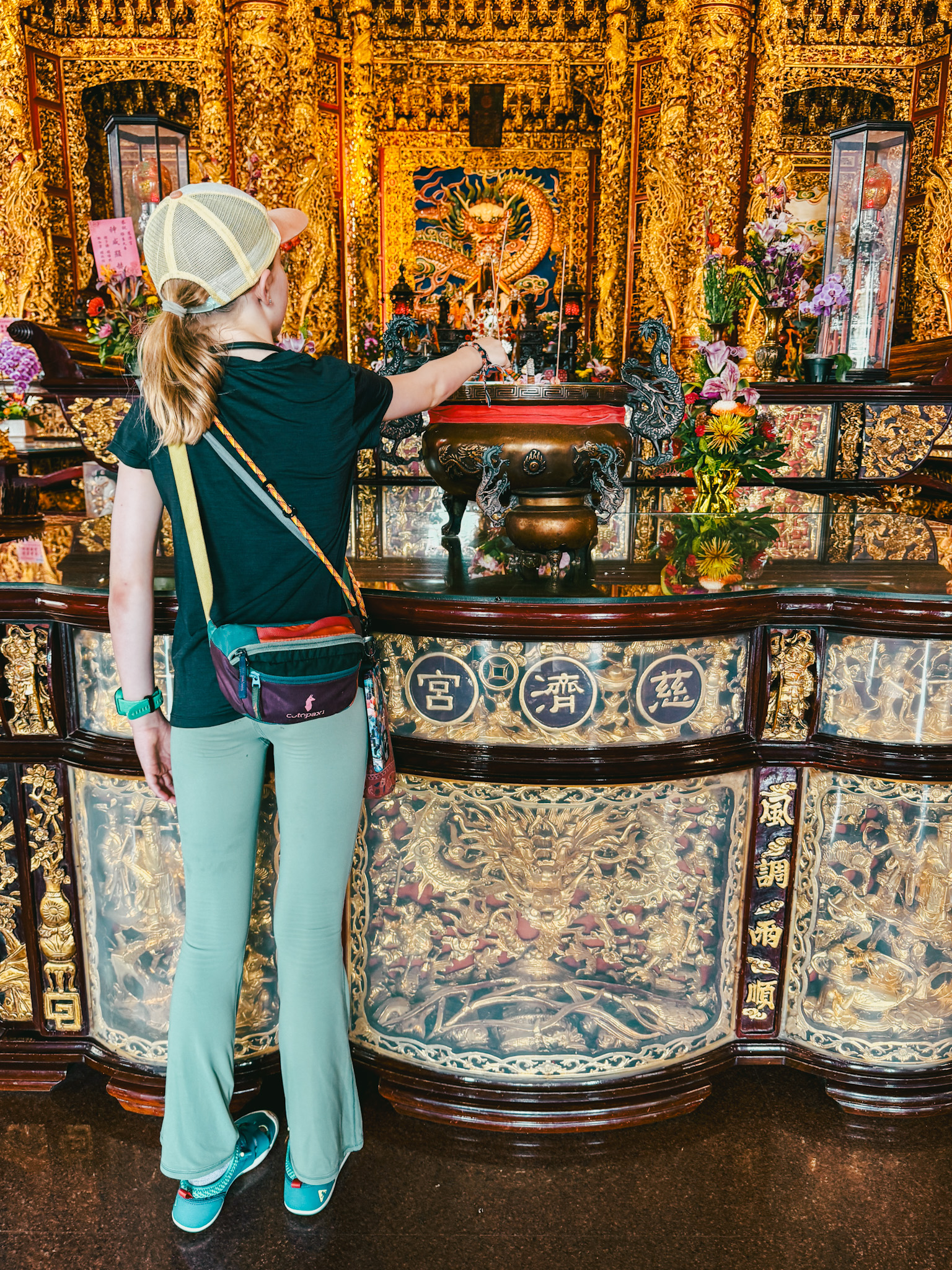
On one of the afternoons we took the train south toward Kaohsiung and stopped at Zuoying Lotus Pond, a man-made lake ringed with temples, pagodas, and towering deity statues. A brief pause here to say that Taiwan’s religious culture was one of the things we came in most ignorant about and left most impressed by. What you encounter here isn’t a single religion but a living synthesis: Buddhism, Taoism, Confucianism, and folk traditions layered and blended over centuries into something that resists easy categorization. The result is a density of temples that is wild. Tainan alone has over 1,500. That’s roughly one for every 125 residents.
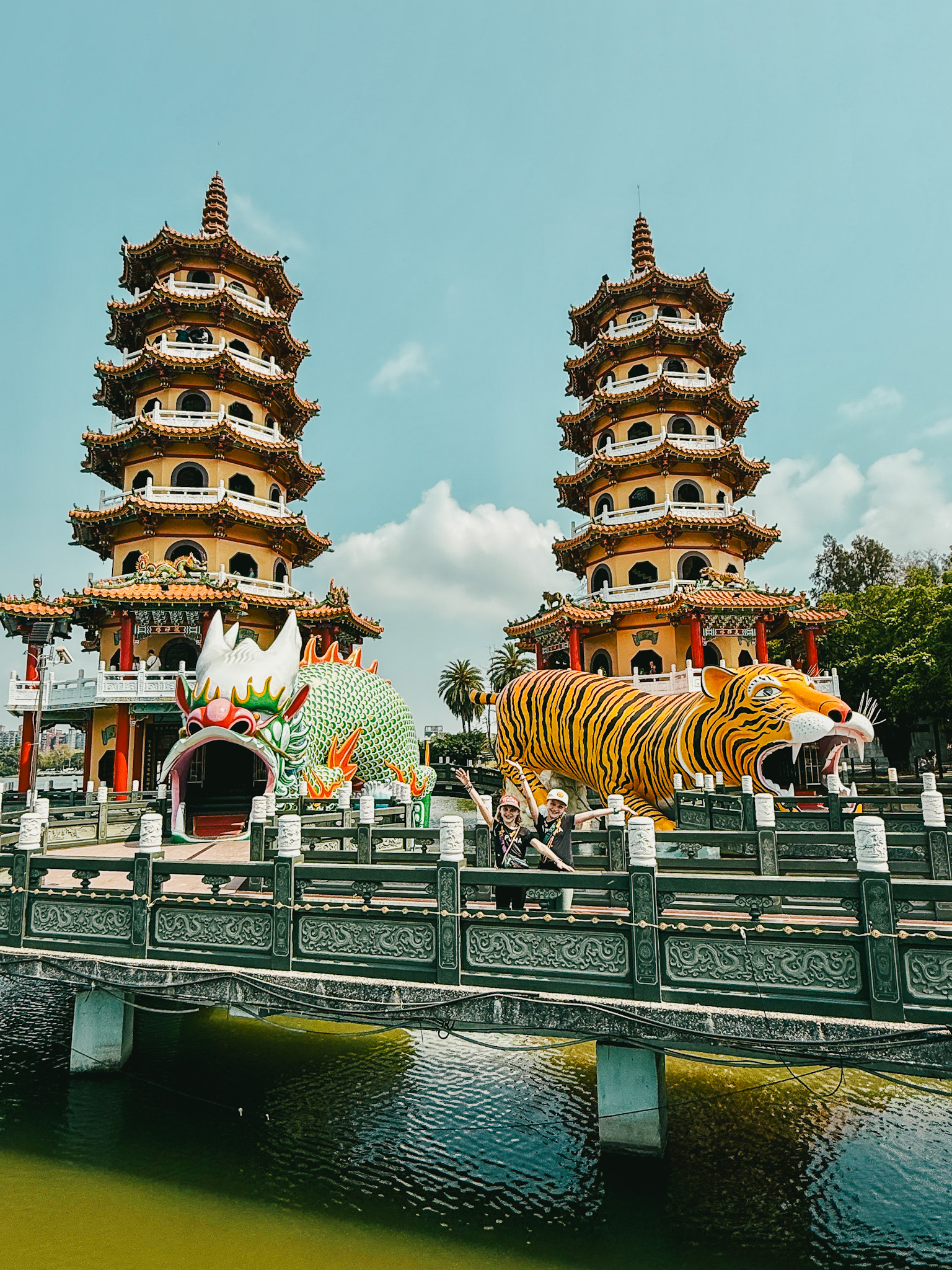
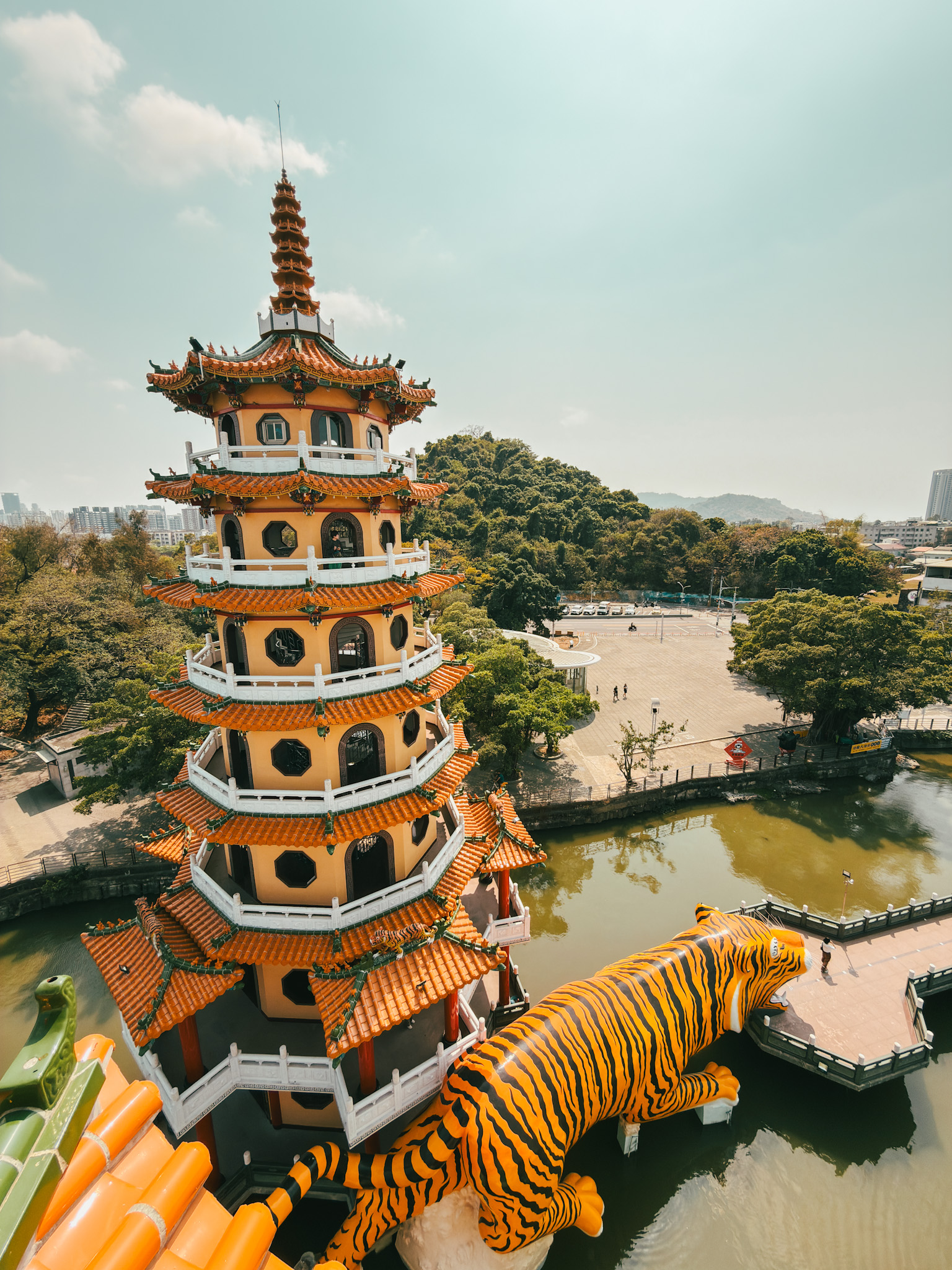
The Lotus Pond makes sense in that context. We visited the famous pair of pagodas: Dragon Pagoda and Tiger Pagoda, where visitors and worshippers alike walk into the dragon mouth and out of the tiger mouth, in that order, to come out replenished with good luck. And that was just our first stop—we had several more temples to visit just within a stone’s throw along the water. Sitting on the steps of one of them, having already completed our incense offering, we looked up at the corner of the roof where a phoenix was perched. The phoenix was made of literally thousands of individual tile chips, each placed by hand, and then you looked around and understood that nearly every square inch of every building at the lake was covered in work of similar intricacy. It accumulates into something beautiful and genuinely staggering, once you actually do the math.
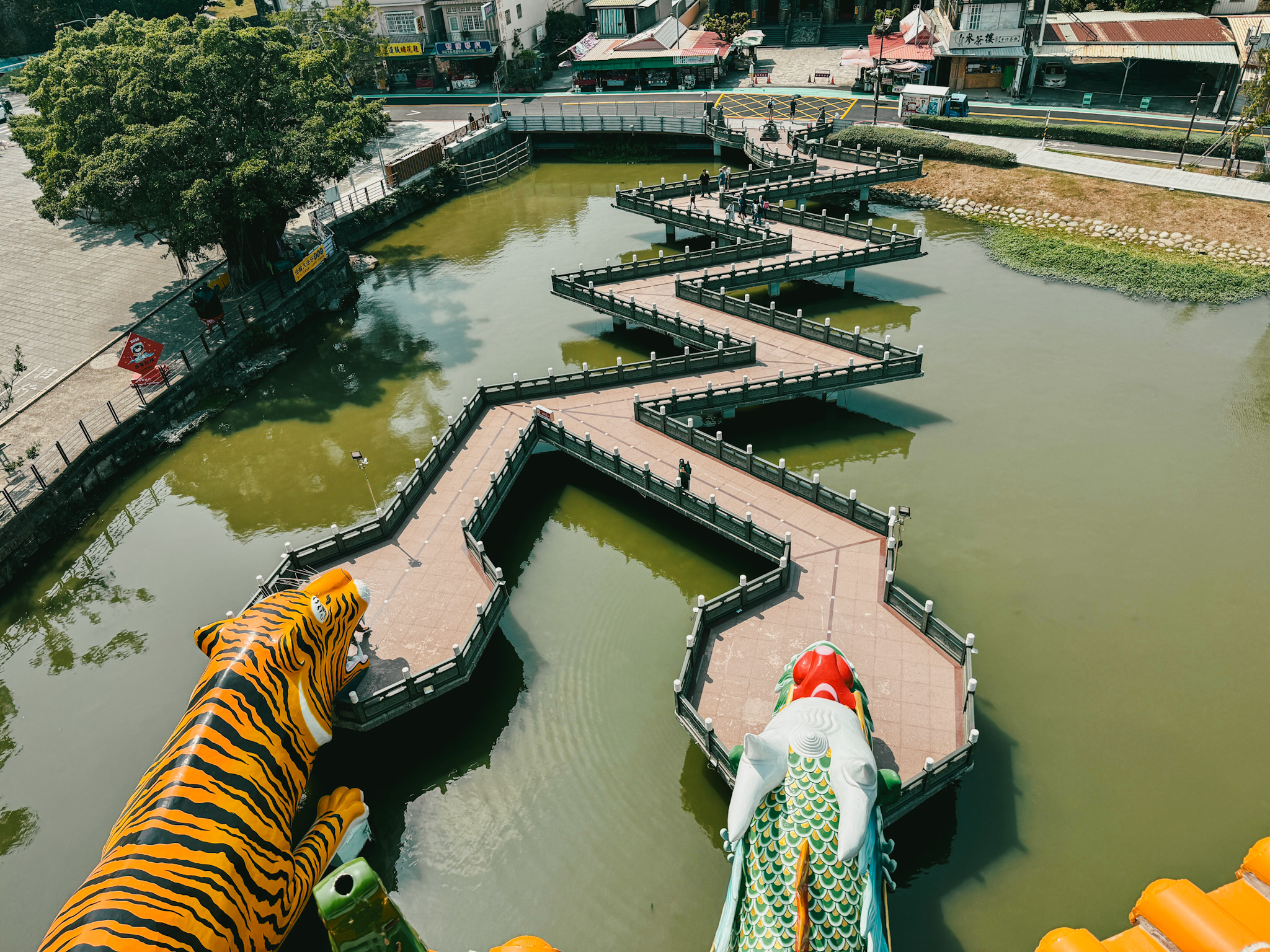
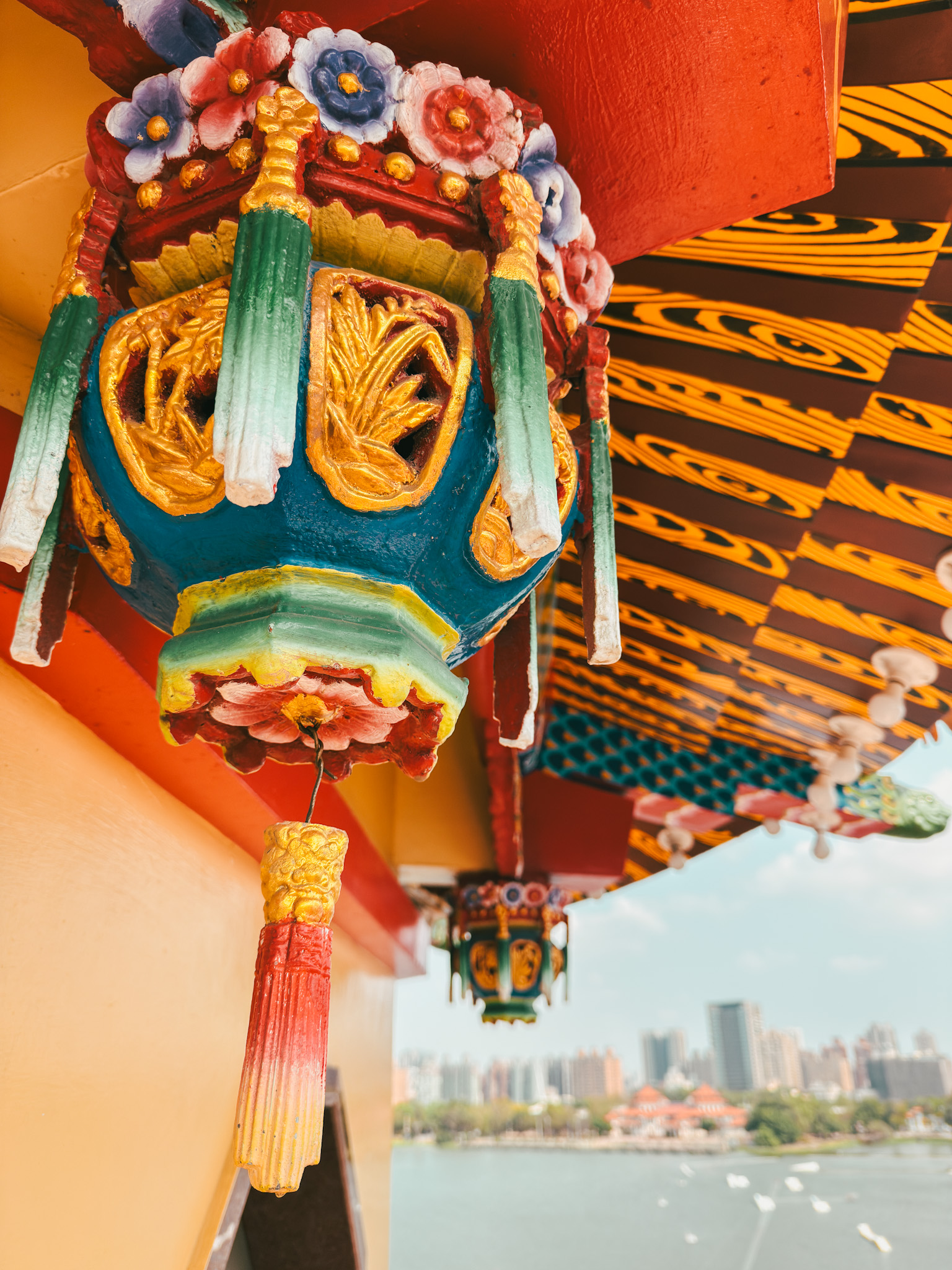
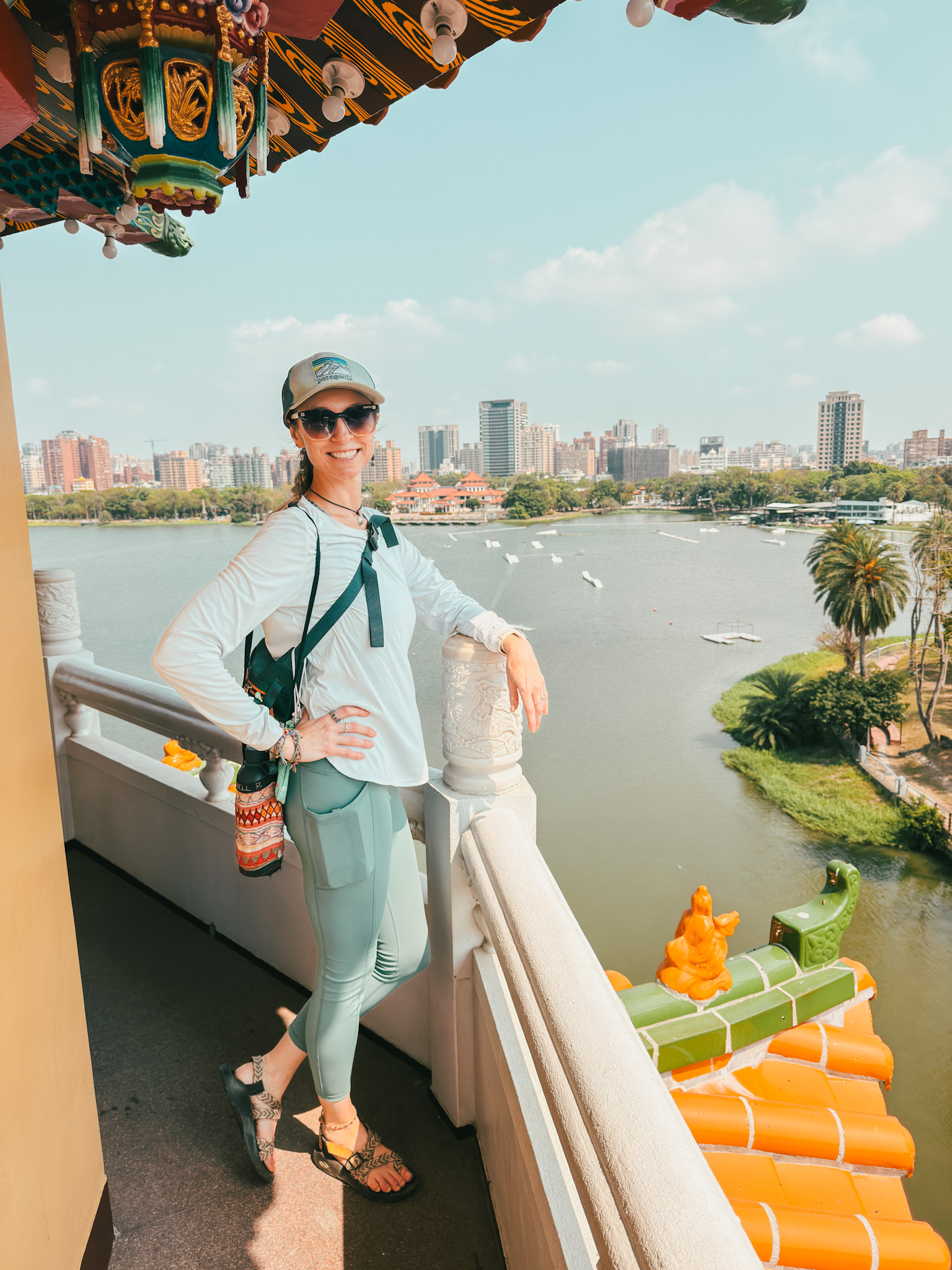
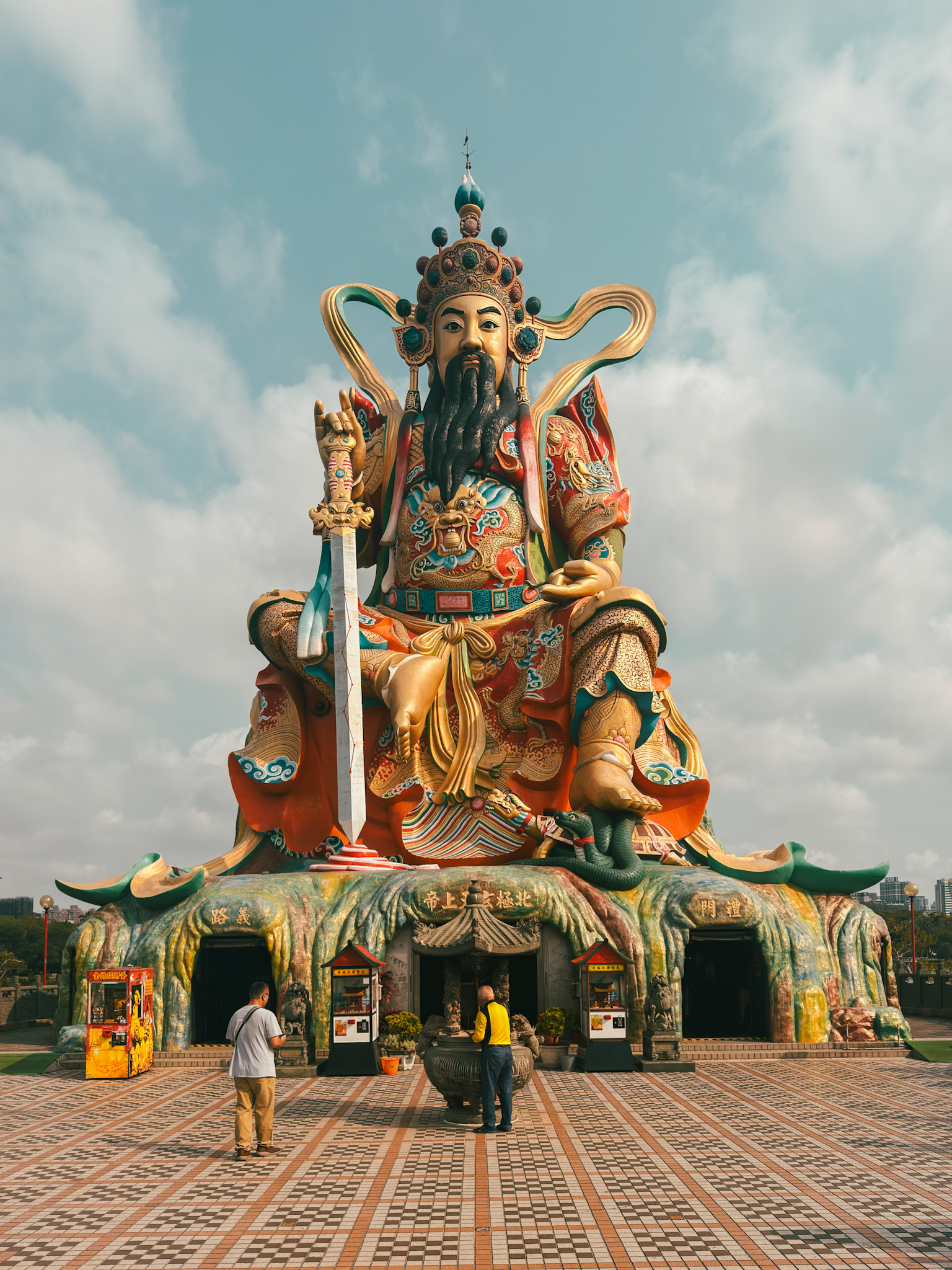
What made the whole scene complete was the wakeboarding pulley line operating in the lotus pond. Right there, next to the temple where people were burning paper offerings to a deity, someone was doing backflips off of a ramp built into the pond. Taiwan contains multitudes and appears entirely comfortable with this.
On our last full day in Tainan, we went back to 田麵匠 one final time. The owner shook our hands. We ate noodles and dumplings. It was perfect.
From there Shaina found a café called Ocean Breeze Coffee, and Max’s first impression upon walking in was not favorable. The owner clearly loved music, evidenced by pianos, guitars, brass instruments, and glockenspiels hung throughout the space as decoration. Every available surface was covered in small knickknacks layered to a density that suggested either a collecting habit or a philosophical opposition to empty space. His inner snob quietly raised an eyebrow.
He should not have doubted.
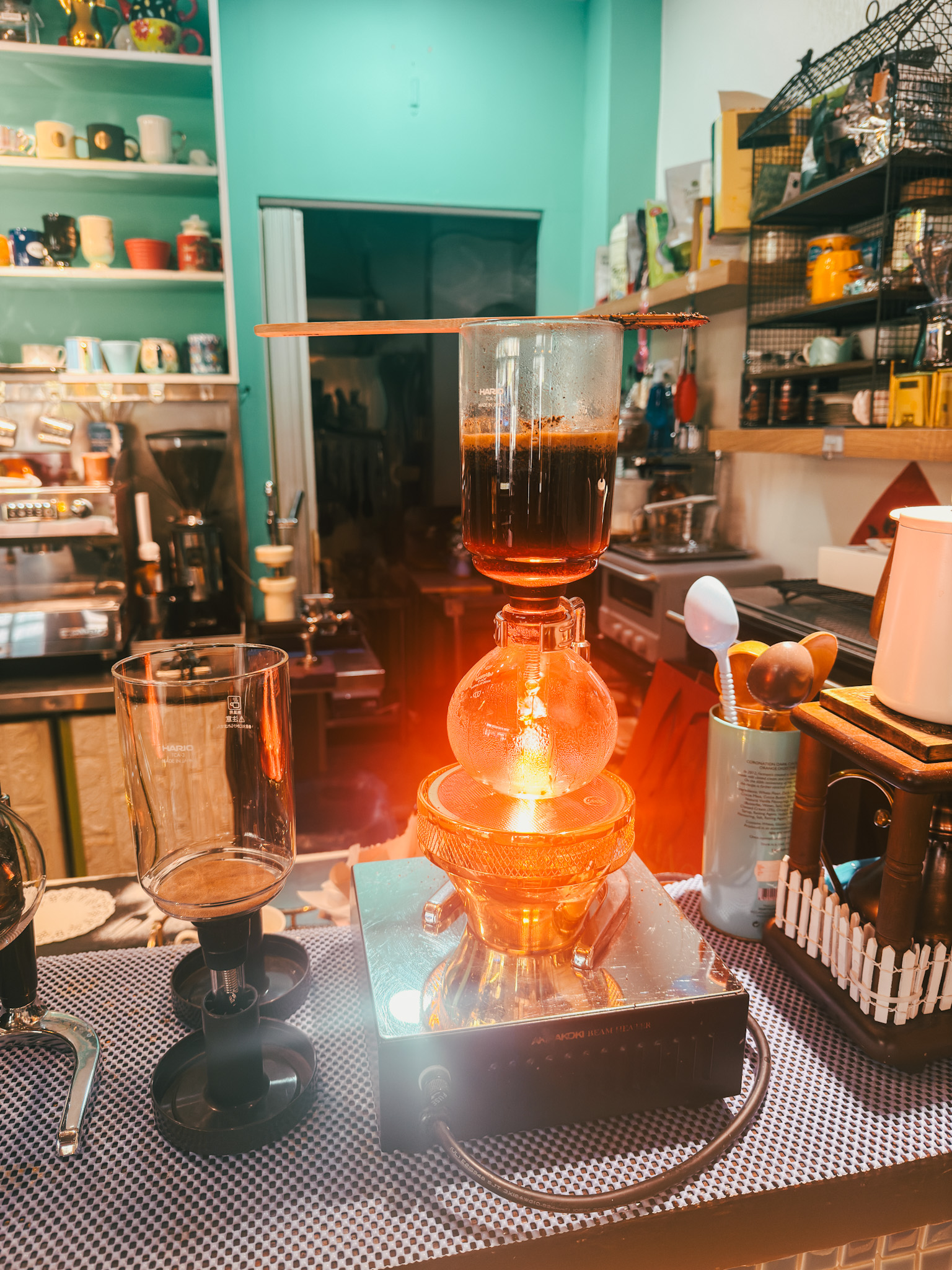
Missi’s coffee arrived covered by a small bell jar, which the owner lifted away with a theatrical flourish. Shaina’s lemon tart came on a gold-gilded plate on a small pedestal on a slate slab, dusted with powdered sugar. Max’s latte arrived on a tiny platter surrounded by potpourri. Everything that came out of that kitchen was precise and beautiful and thoroughly considered. We sat there eating and drinking and laughing about how badly Max had misjudged the place, and then we settled in for a long and deeply satisfying afternoon of doing absolutely nothing productive.
Tainan rewarded us. Not with grand views or bucket-list monuments but with the particular pleasure of a city that moves slowly enough to actually notice things. A noodle shop where we became regulars. A warehouse being slowly consumed by trees. Wooden crescents clattering on a stone floor. A café that turned out to be excellent despite every visual indicator to the contrary.
What makes a place yours? We asked that question on the first full day and turned it over all week. The girls said personalization. Intention. Making it look like you cared.
By the time we left, we’d developed our own small rituals: the table where homework happened, the shoes by the door, the walk that took twenty-five minutes to nowhere in particular. We returned to the same restaurant so many times the owner began to think of us as locals.
We cared.
Maybe that’s what counts.
On to Taitung.
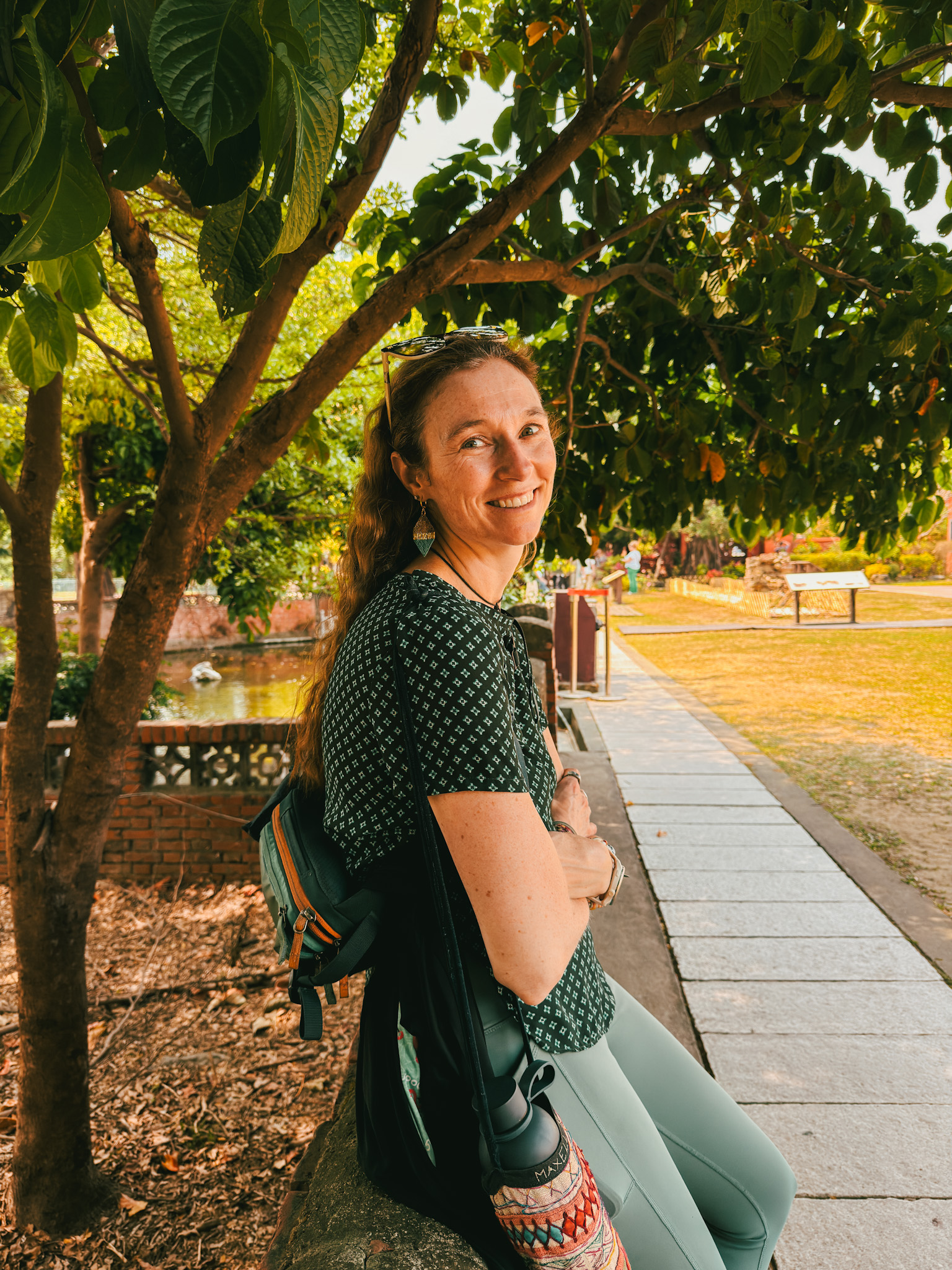
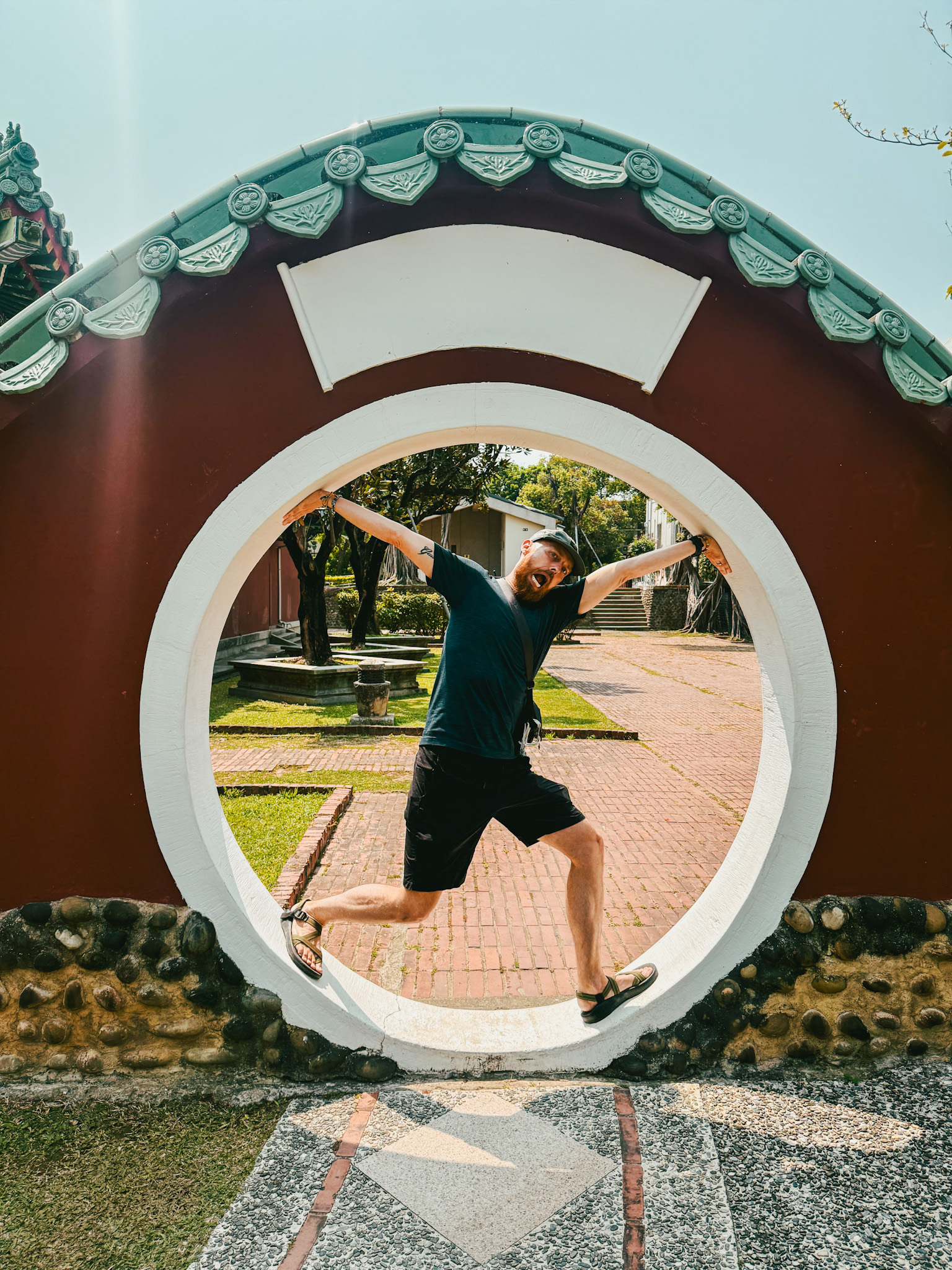
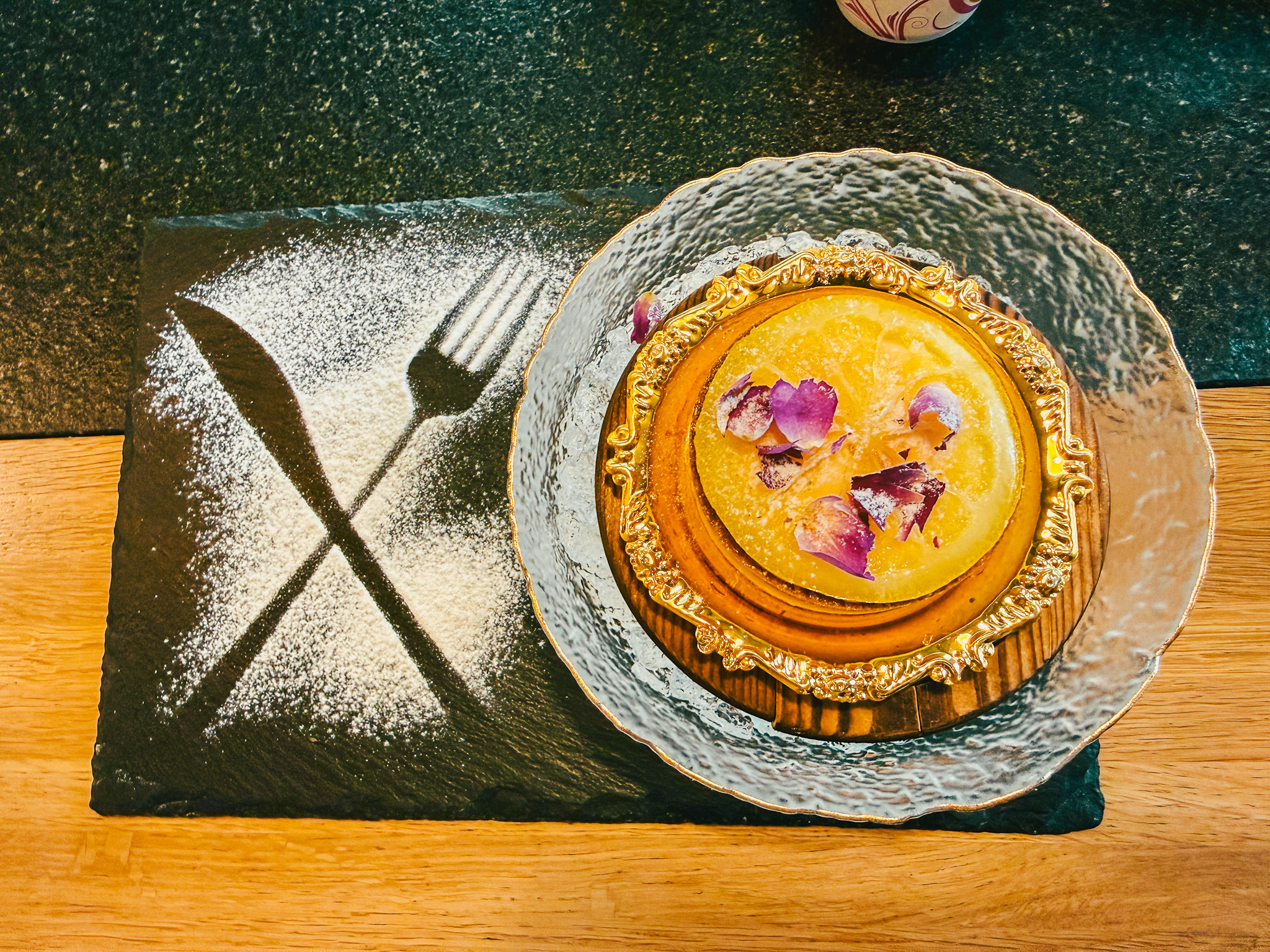
… Just in case you were wondering, 田麵匠 or tián miàn jiàng means: The Noodle Master of the Fields. Consider this a silly reward for making it to the end of this ridiculously long post!

 Pause and Wander
Leave a comment