
Dates: September 29 – October 2, 2025
Route: León → 22km Mazarife → 18km Villares de Órbigo → 16km Astorga → 23km Rabanal
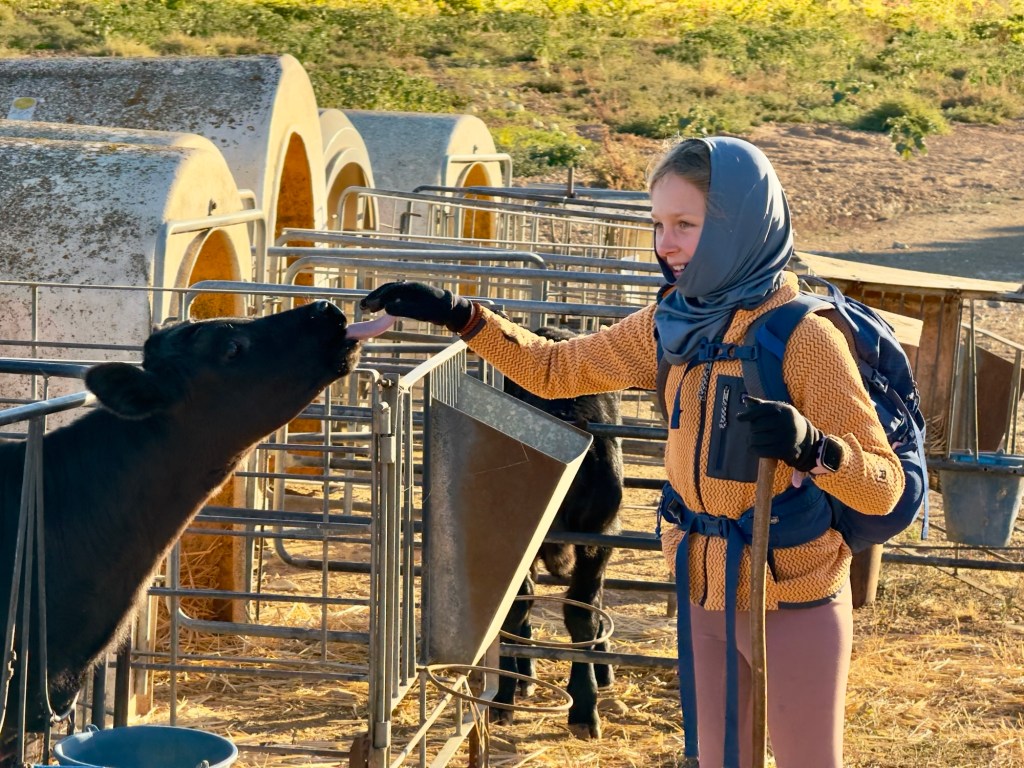
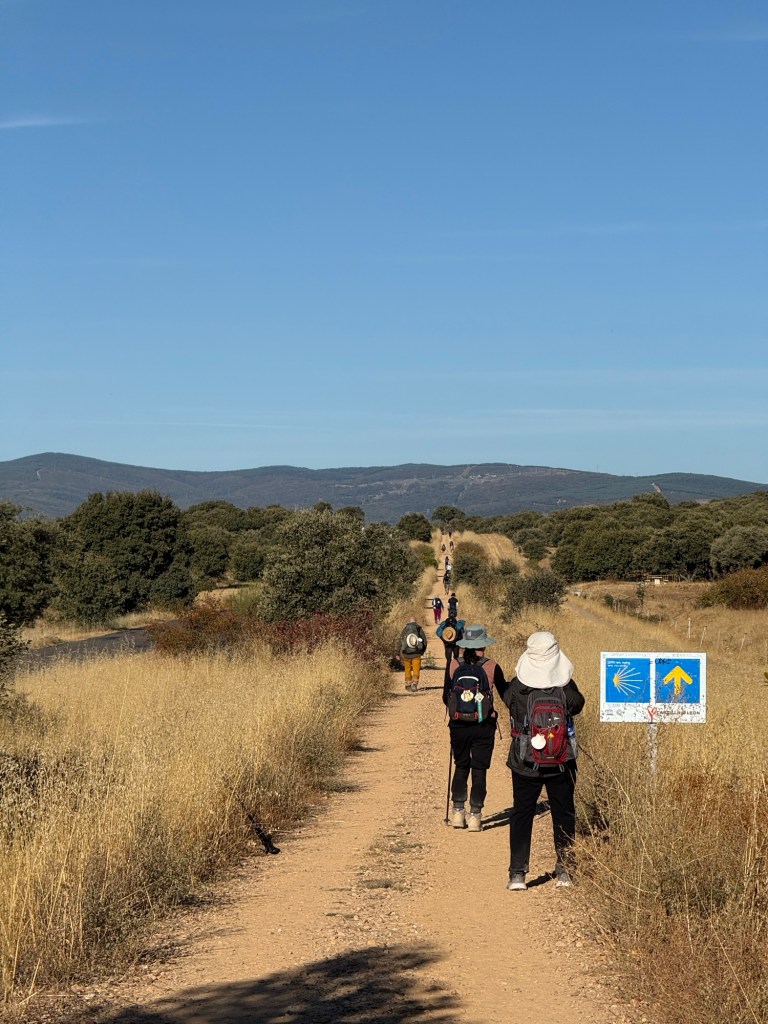
The Camino keeps teaching us that no two days are the same. One morning the road stretches out in a line so flat and featureless it feels like we’re walking on a treadmill. The next, the path tilts upward into the hills, pulling us toward villages where ivy spills over stone walls and monks still chant at nightfall. Between those extremes, we find little moments that keep us going: a calf’s wet nose nuzzling Finlee’s hand, a courtyard filled with gardenias and laughter, a shared bottle of Rioja around a modest apartment table.
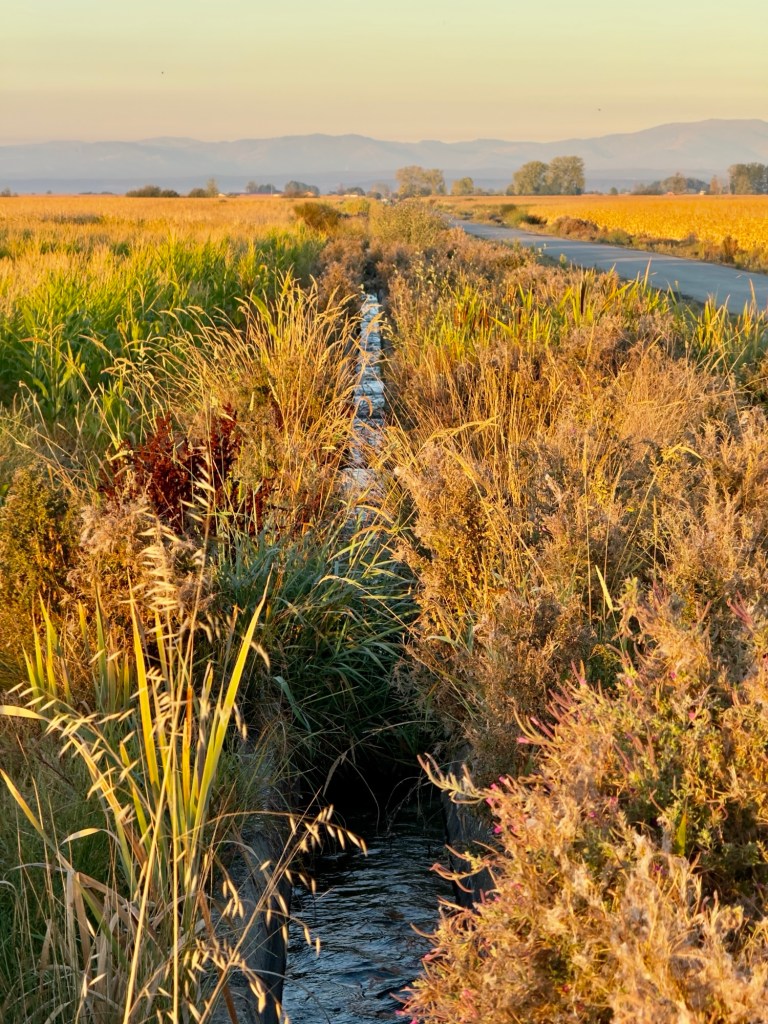
Leaving León, the city gave way to gravel backroads, hayfields, and long stretches of quiet where Max found himself imagining bikes instead of boots. The gravel stretched on for days, calling to him in a way that walking never quite could. By the time we reached Villar de Mazarife, sore arches and new blisters made the fantasy sharper. We shuffled to the tienda before siesta, dragging flip-flops that barely clung to tired toes, and then patched ourselves up the best we could. Pilgrim life doesn’t leave much room for vanity — just Trail Toes, ibuprofen, tiger balm, and the promise of another day.
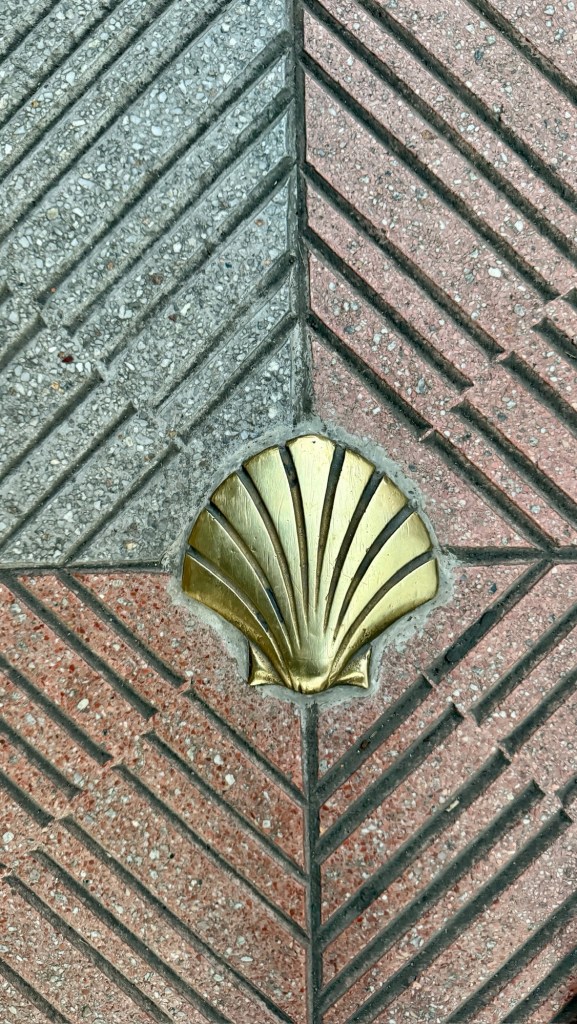


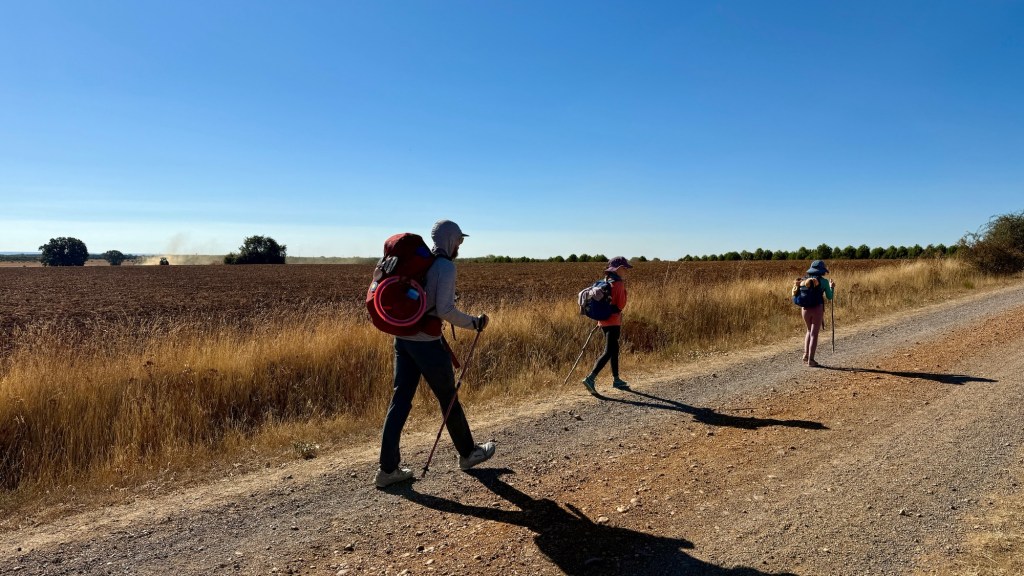

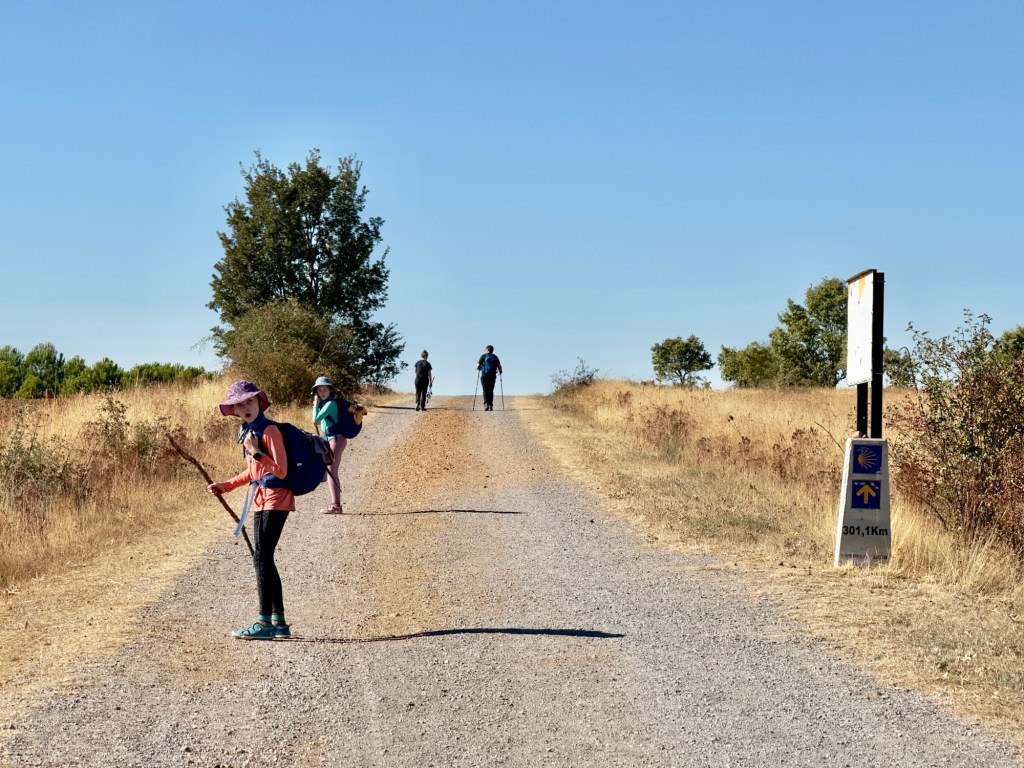

Flat asphalt tested us next. Six kilometers of straight road under an open sky, the kind that mocks your progress because the end point, always visible on the horizon, never seems to move closer. The girls groaned, our feet ached, and even the occasional car streaking past felt like an insult. Salvation arrived through Artemis Fowl, the audiobook that snared the kids just in time to distract from the monotony. By the time the mischievous fairy heist was underway, the road had shifted to gravel again, and spirits lifted with it.
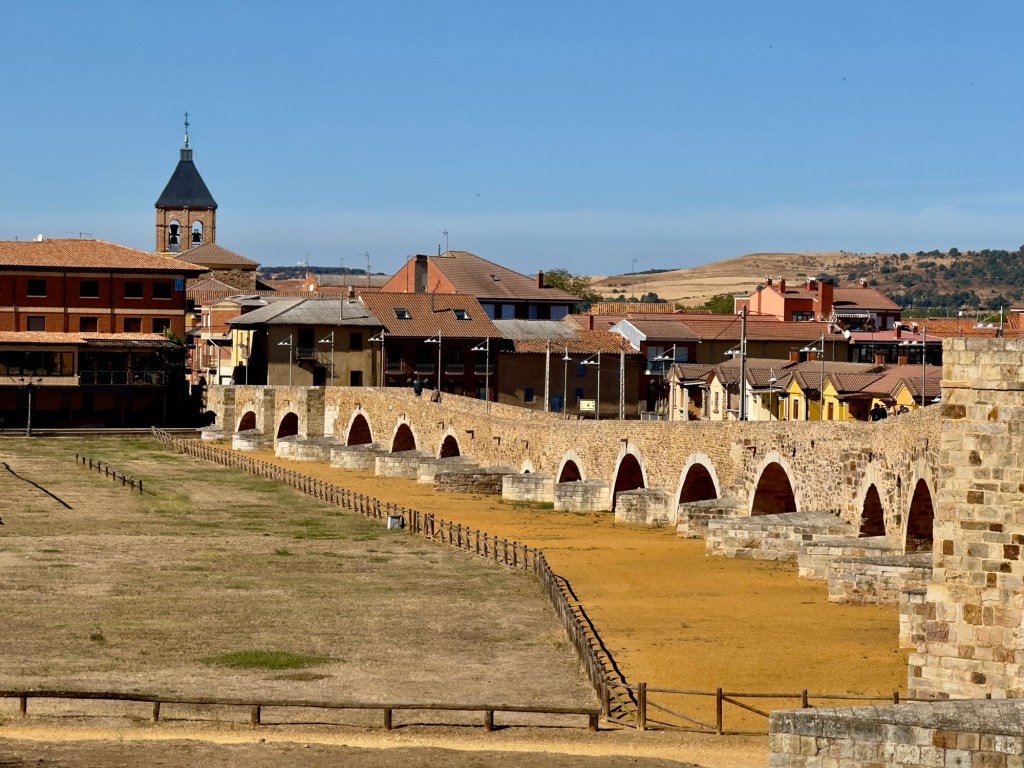
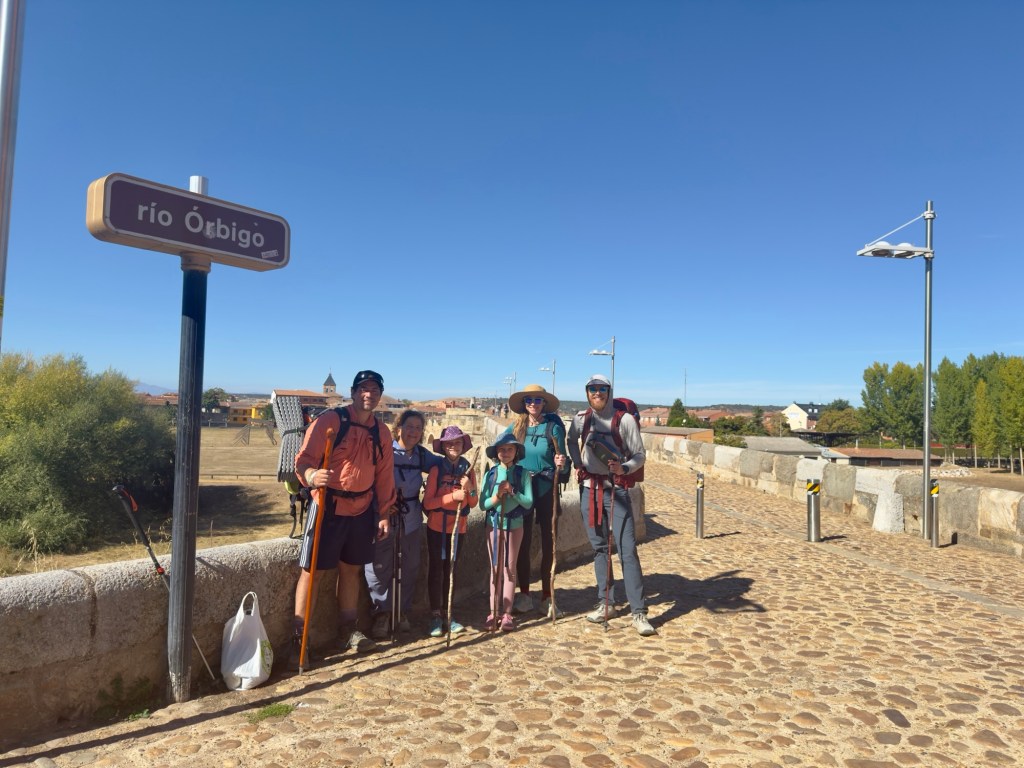
The Camino has its own way of timing reunions. Just when the straight road seemed endless, we spotted Hilda and Ben. Hilda, recovering from injury, was walking again, carefully but determined. Later, Olivette reappeared, someone we hadn’t seen since our first night in Orisson. We crossed the medieval bridge in Hospital de Órbigo together, its stones echoing with the history of knights who once fought for honor there. Now it was just us pilgrims, tired but smiling, pausing to take drone shots and tell stories before drifting apart again.

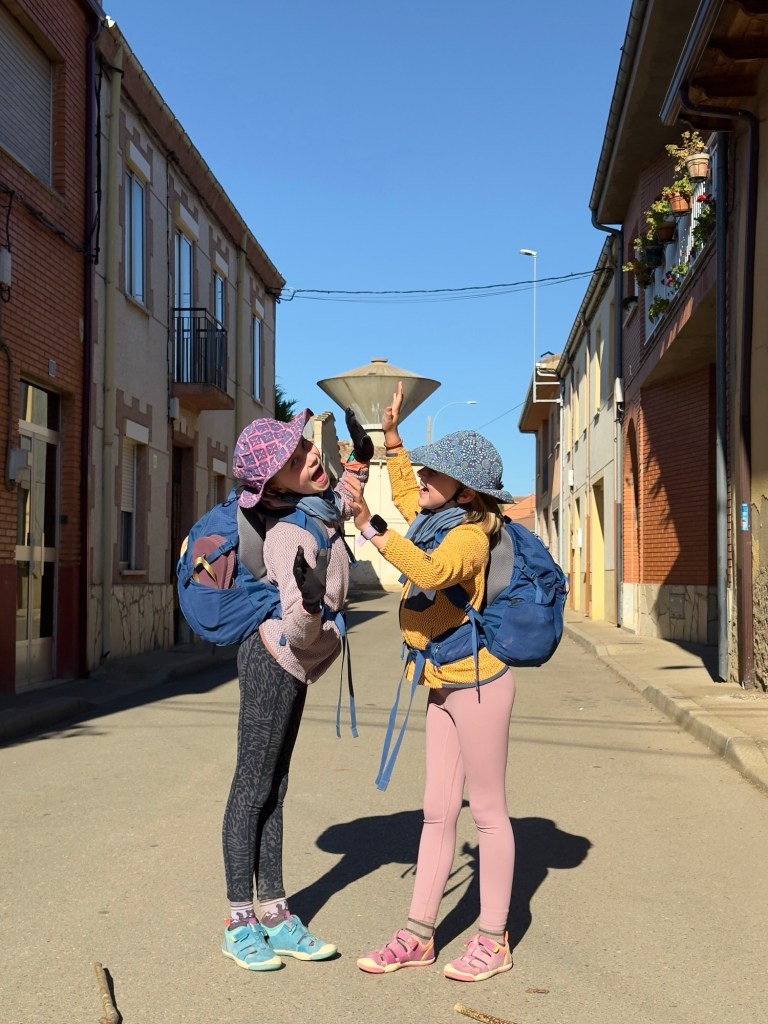
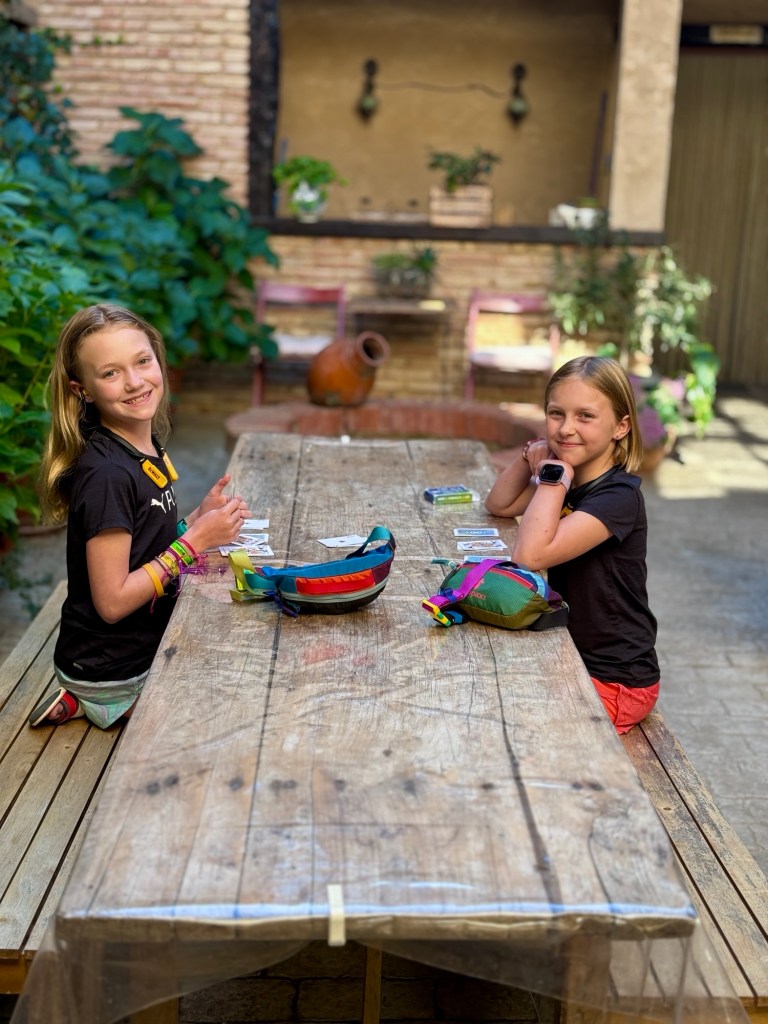
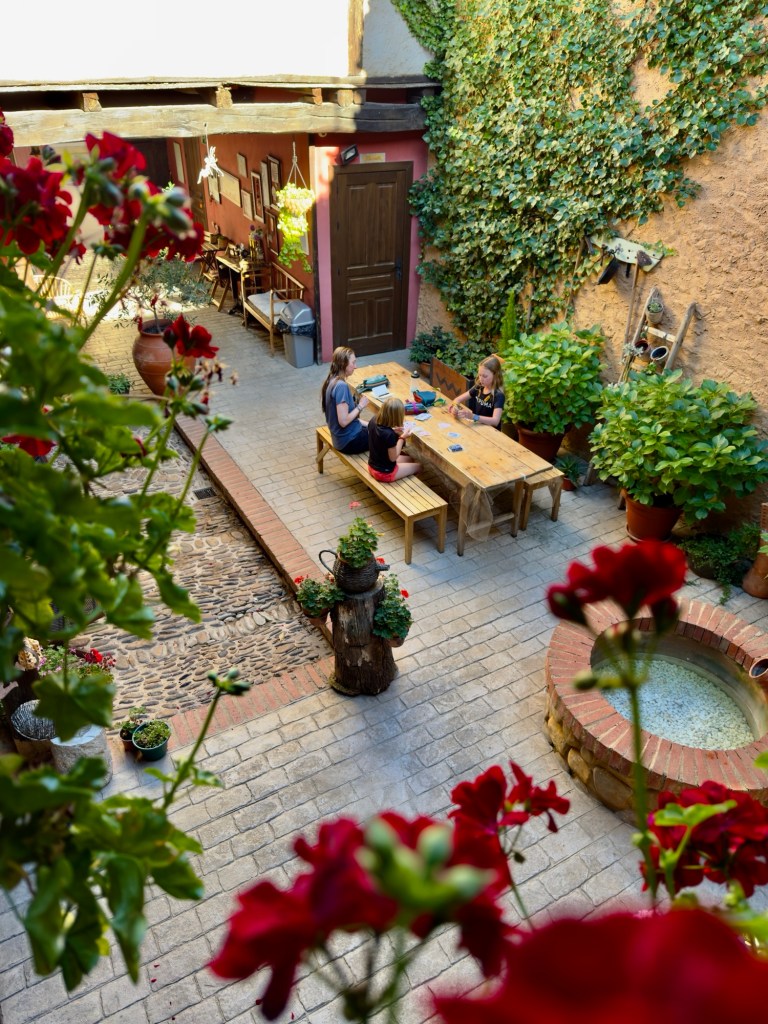
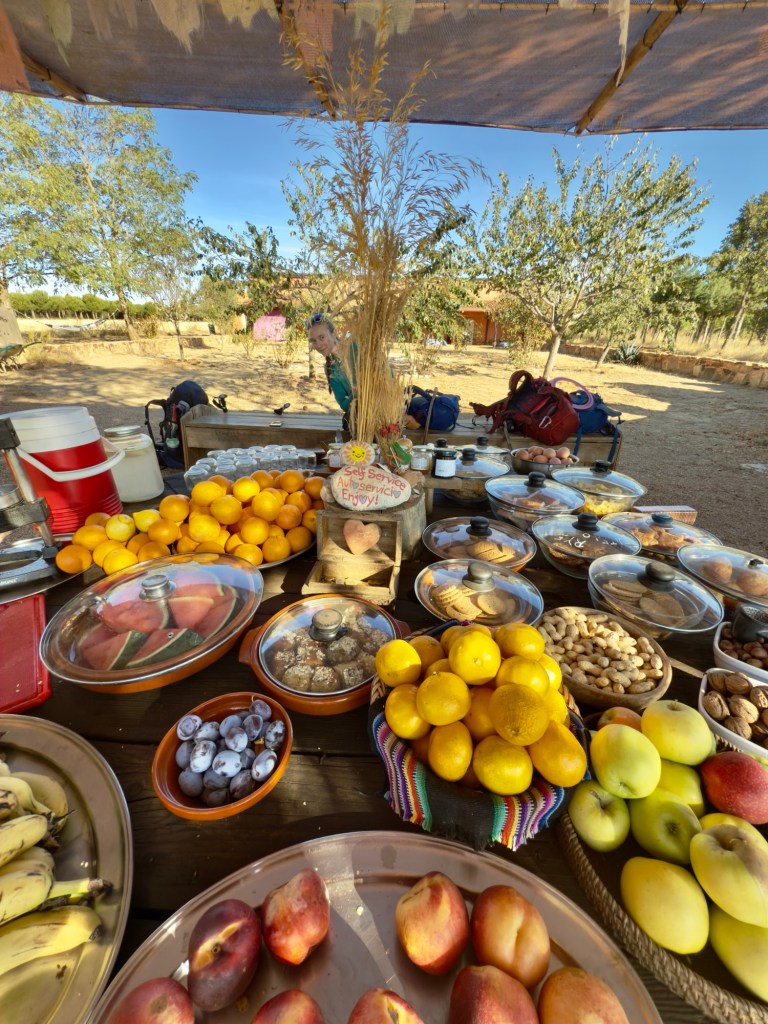
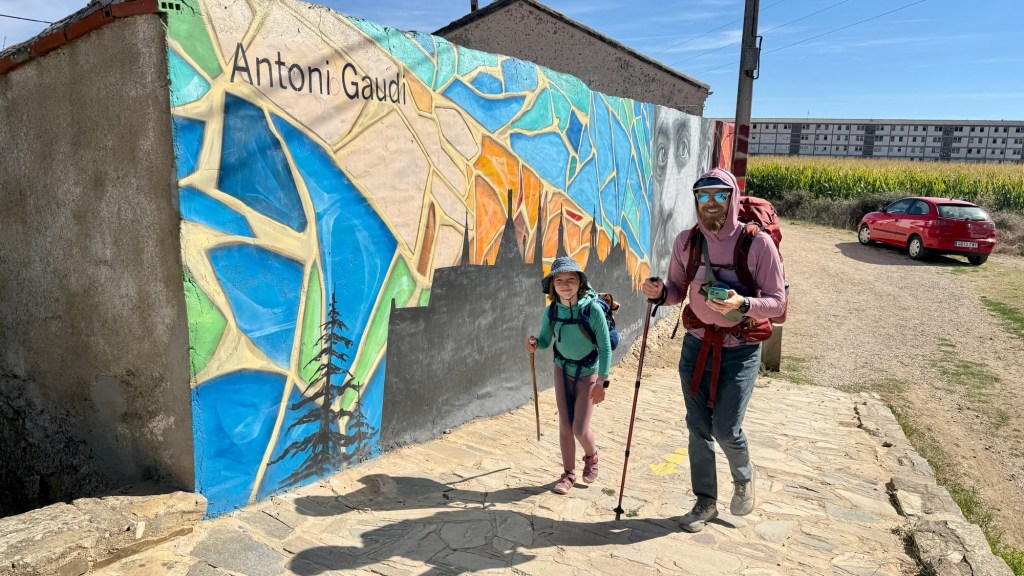
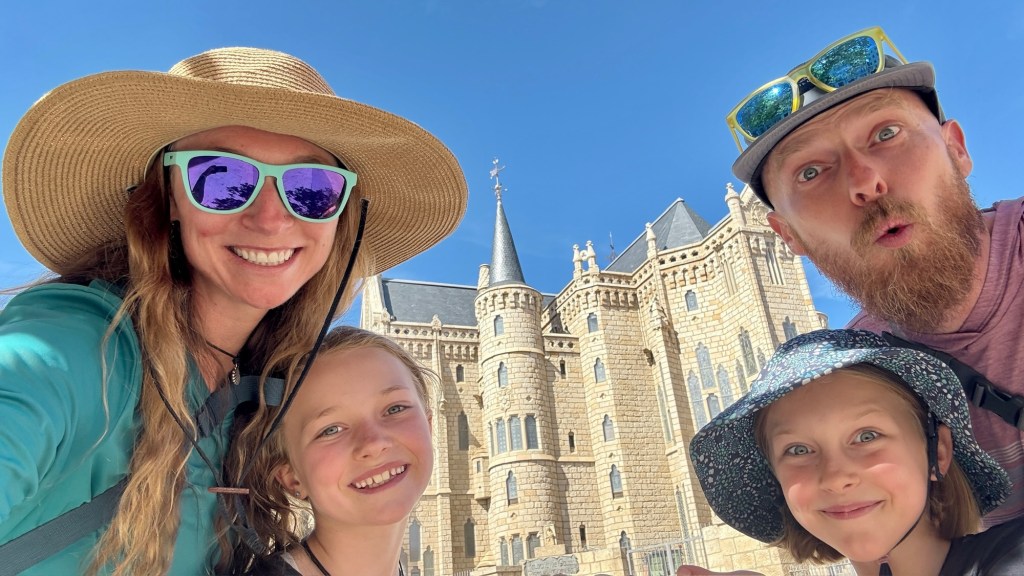
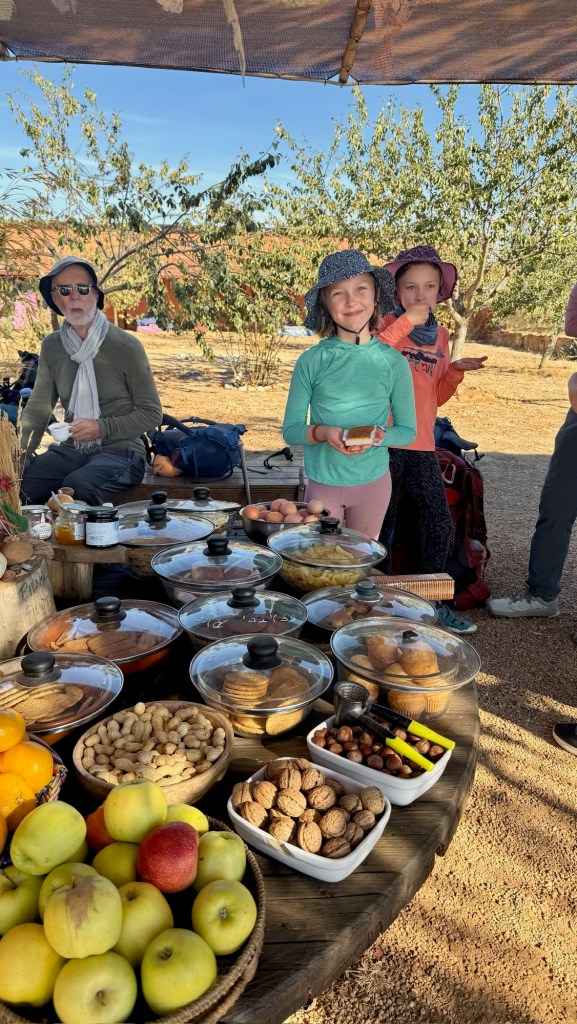
Astorga brought fresh discoveries. On the way there, we stopped at the Jardín de Alma — the Soul Garden — where fruit, nuts, bread, and fresh-squeezed juice were set out without price tags, just trust and a box for donations. We lingered there, grateful for food and for the kind of generosity that makes strangers feel like kin. Later, the small city surprised us in its many treasures. The cathedral’s façade provided a perfect template for a game of “I Spy”, packed with angels, mermen, and a tiny hidden castle all twisting skyward. Gaudí’s granite palace rose like something from a fairytale. We cooked our own feast that night, simple pasta and salad, rounded out by a four-euro Rioja, proof that comfort doesn’t have to cost much.
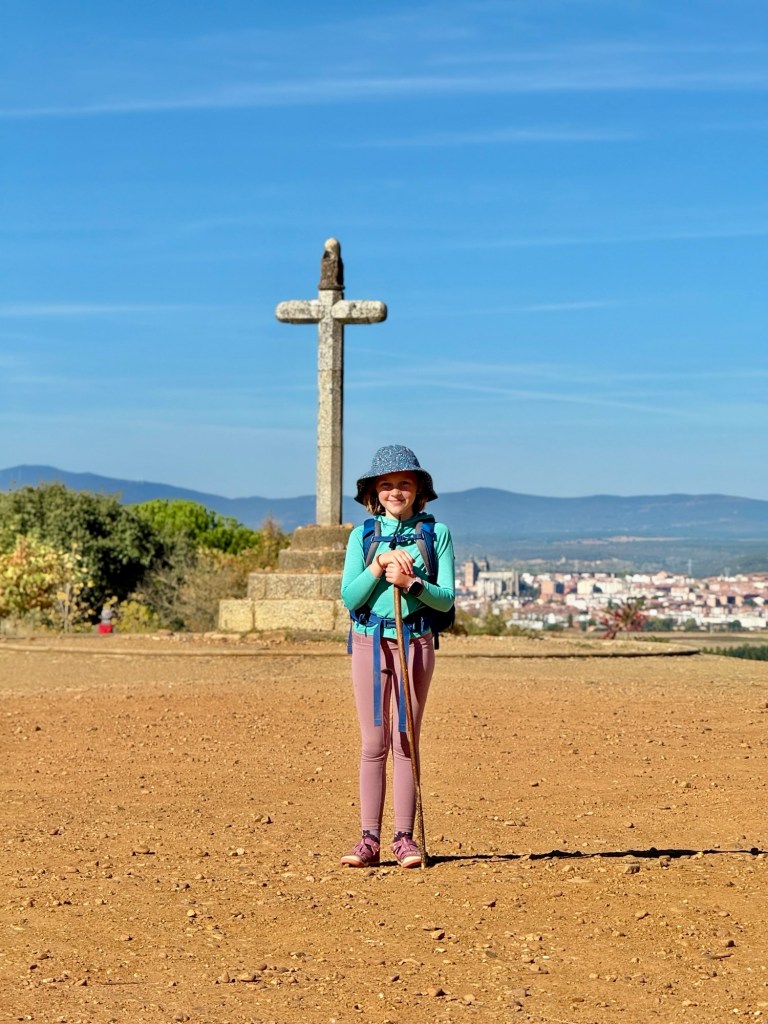
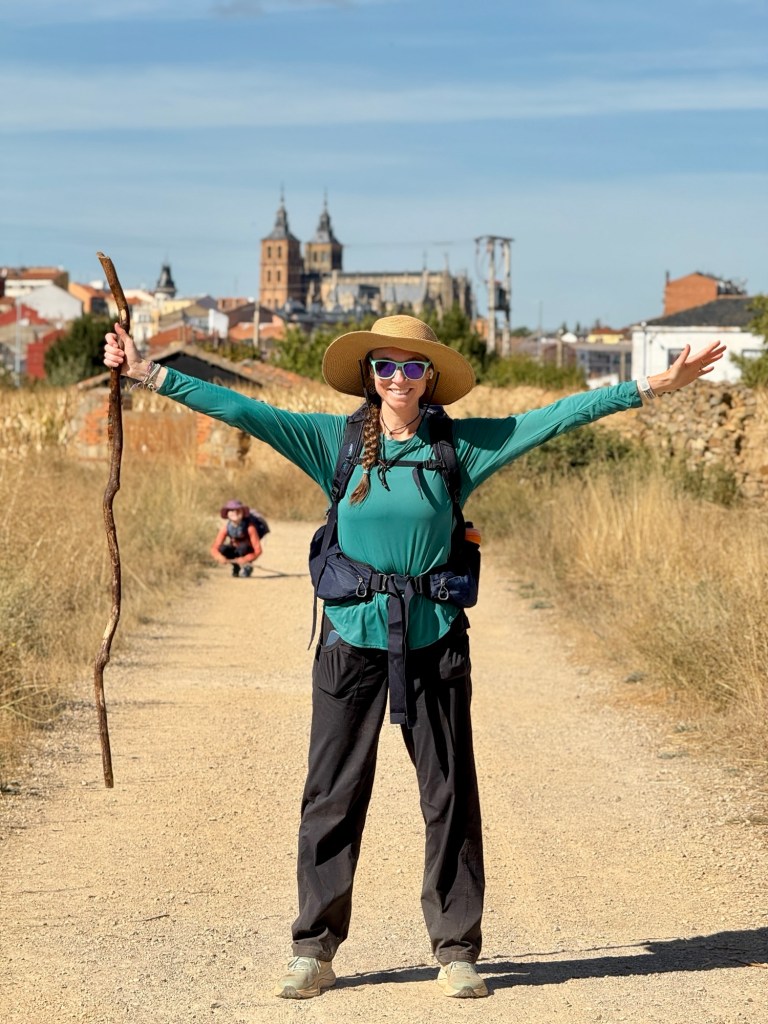

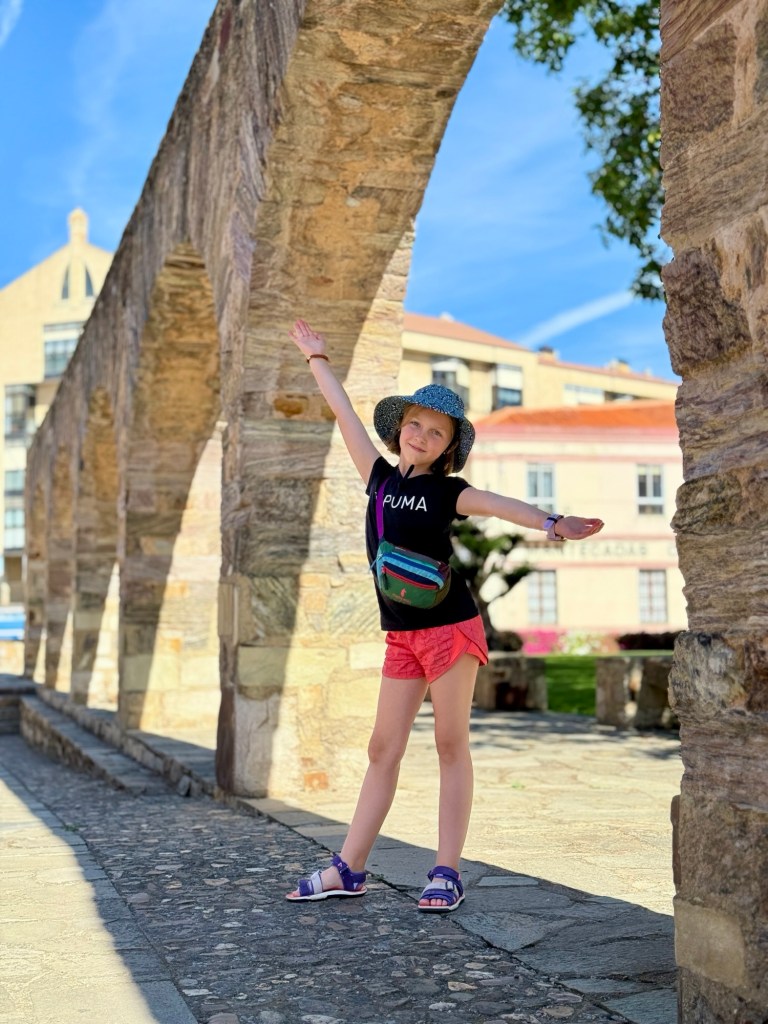
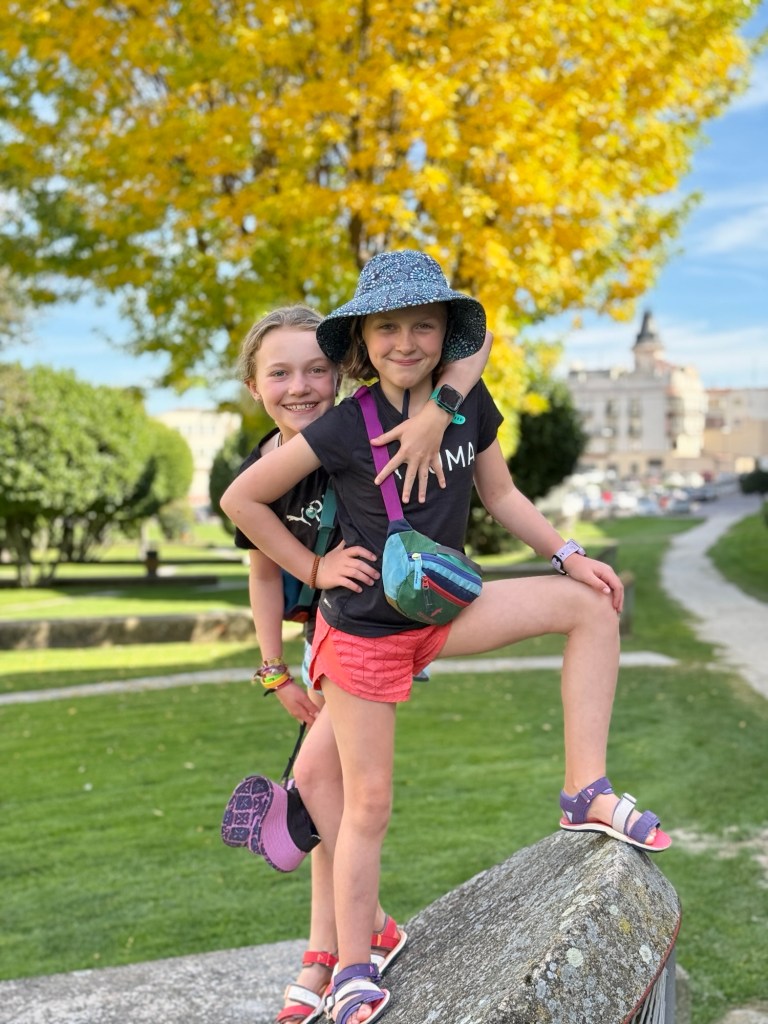
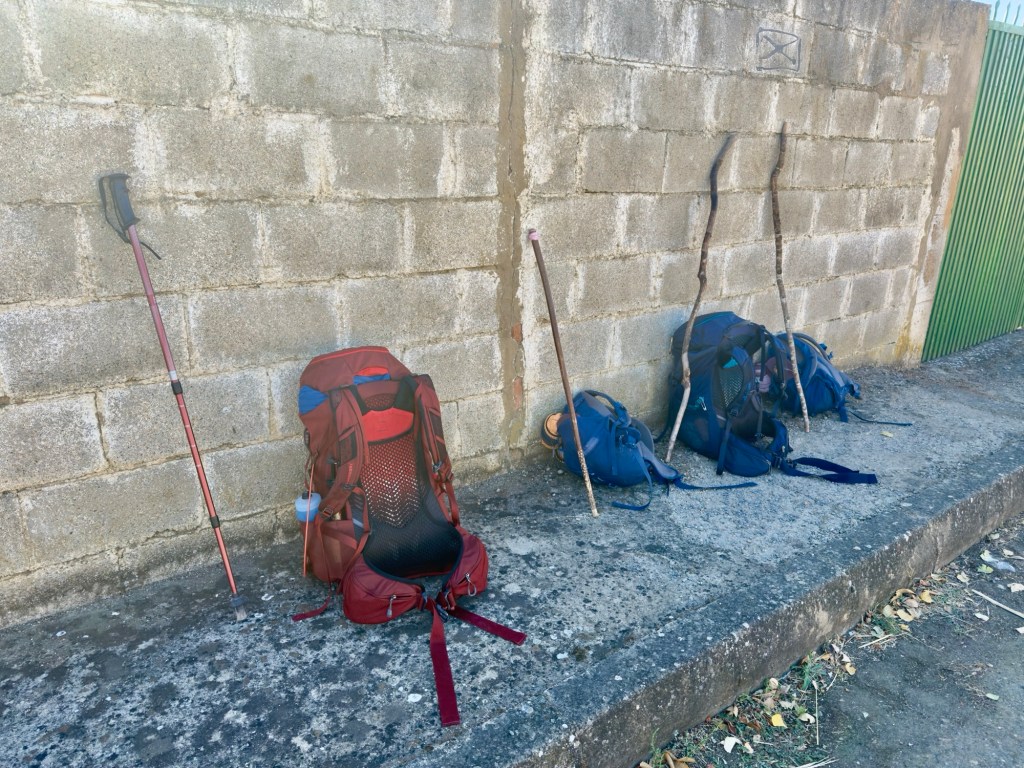
And then the hills began in earnest. We set off in the chill of morning, each breath visible, layers pulled tight. By midday we were stripping them off under a bright sun, trying to balance shade with sweat. Lunch was pork chop, fried egg, and fries split four ways, chased with Fanta Limón. Maybe it was too good, because a kilometer later Max realized he’d left his trekking pole behind. With the climb steepening ahead and a first-come monastery waiting at the day’s end, he dropped his pack, sprinted just over a kilometer each way, and returned victorious ten minutes later — sweat-soaked, out of breath, but grinning, pole in hand.
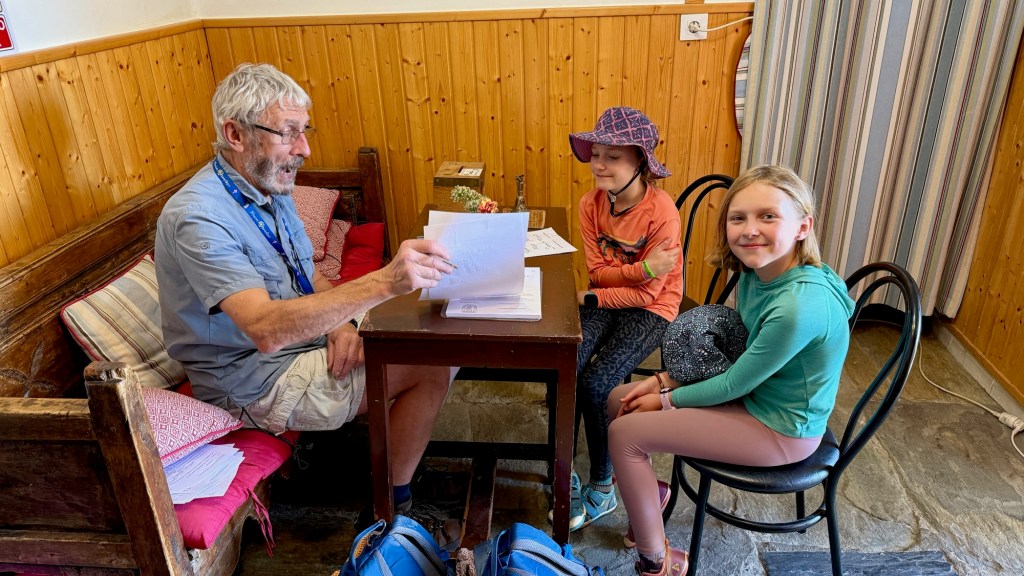
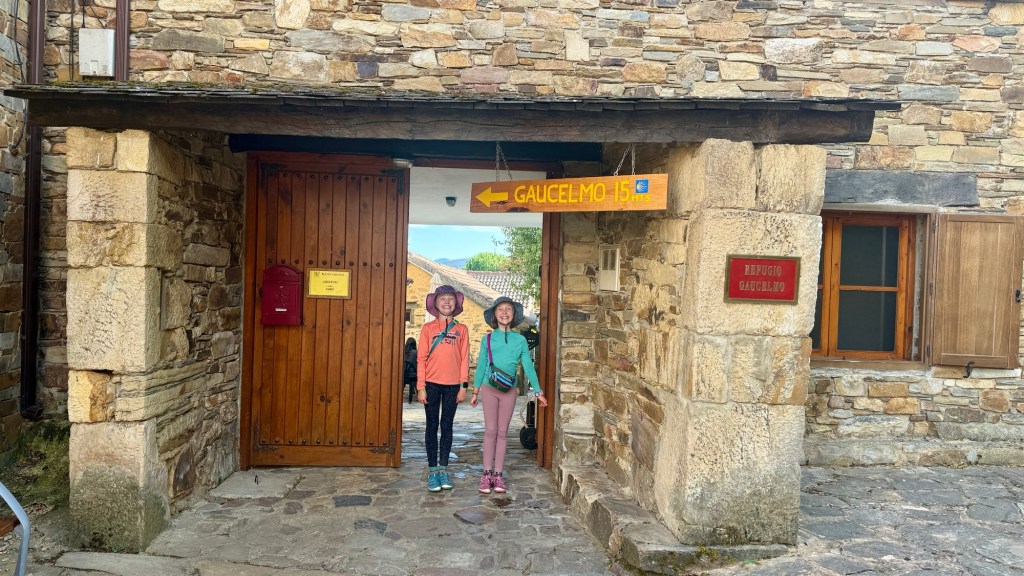
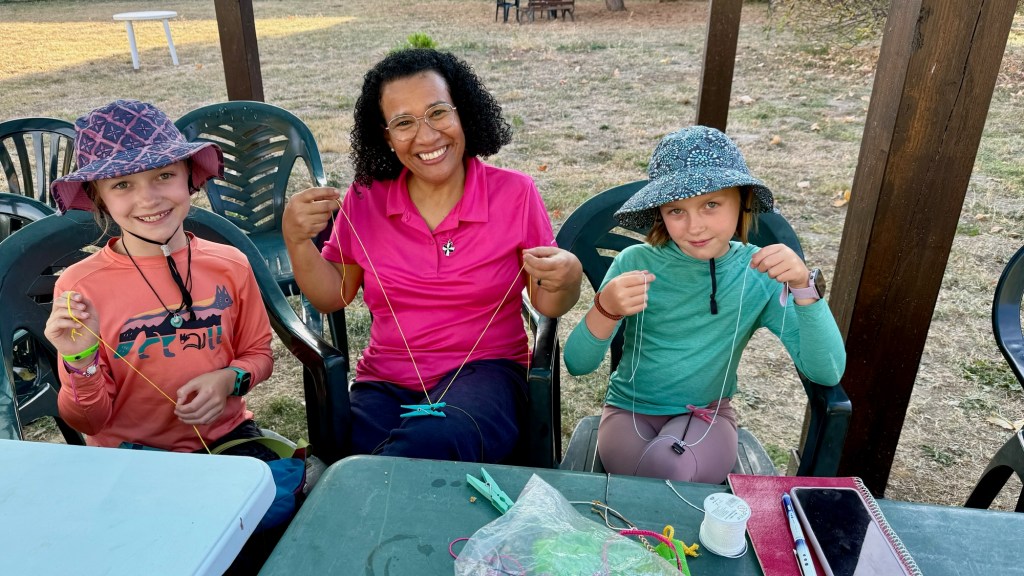
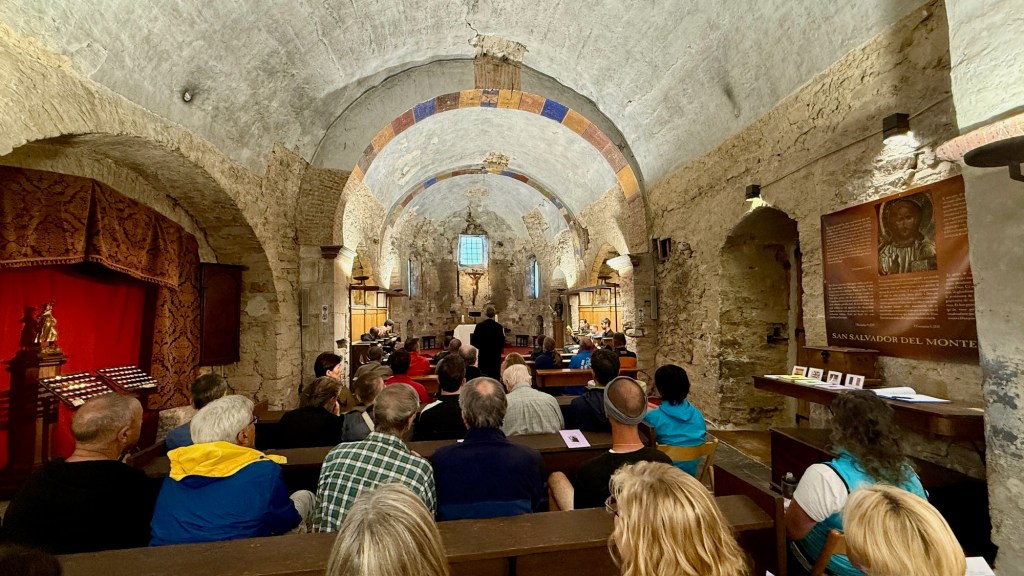
We made it to El Rabanal del Camino in time, scoring the only four-bunk private room at the “donativo” Refugio Gaulcelmo, a Confraternity of welcoming and kind-hearted volunteers, Dee, Rob, and Richard. Dinner that night was roasted chicken, crispy-skinned and demi-glazed, one of the best meals we’ve had on the Camino so far. And then came tea time back at the albergue, where pilgrims shared stories from the road and our girls took directions in Spanish from fellow pilgrim, Geraldina, on how to make macramé bracelets. Their art project complete, we joined many pilgrims at the small chapel across the street, listened to Gregorian chants by the monks, haunting and beautiful, though the girls found the ritual more tedious than transcendent. Their complaints — too long, too much standing, too much Latin — made us laugh as we tucked them into bed.
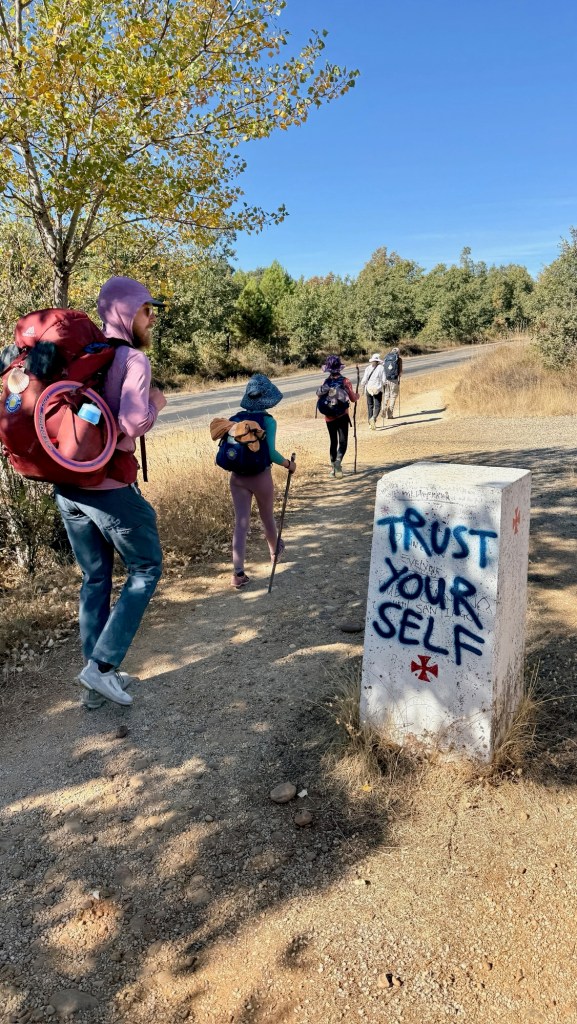
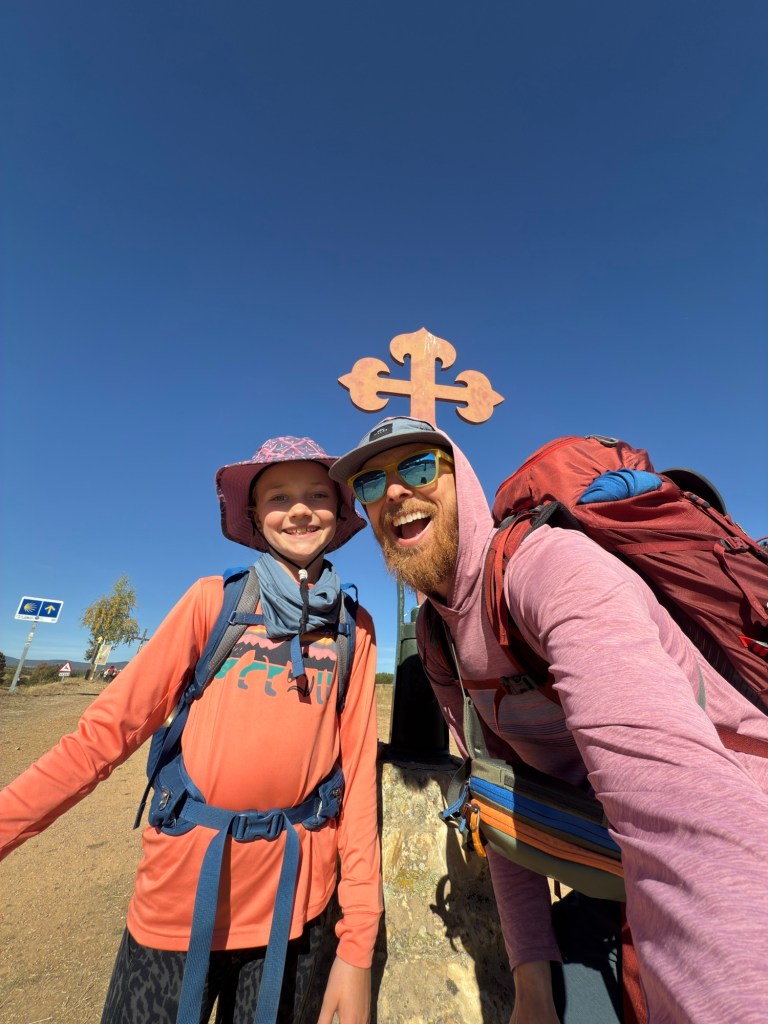

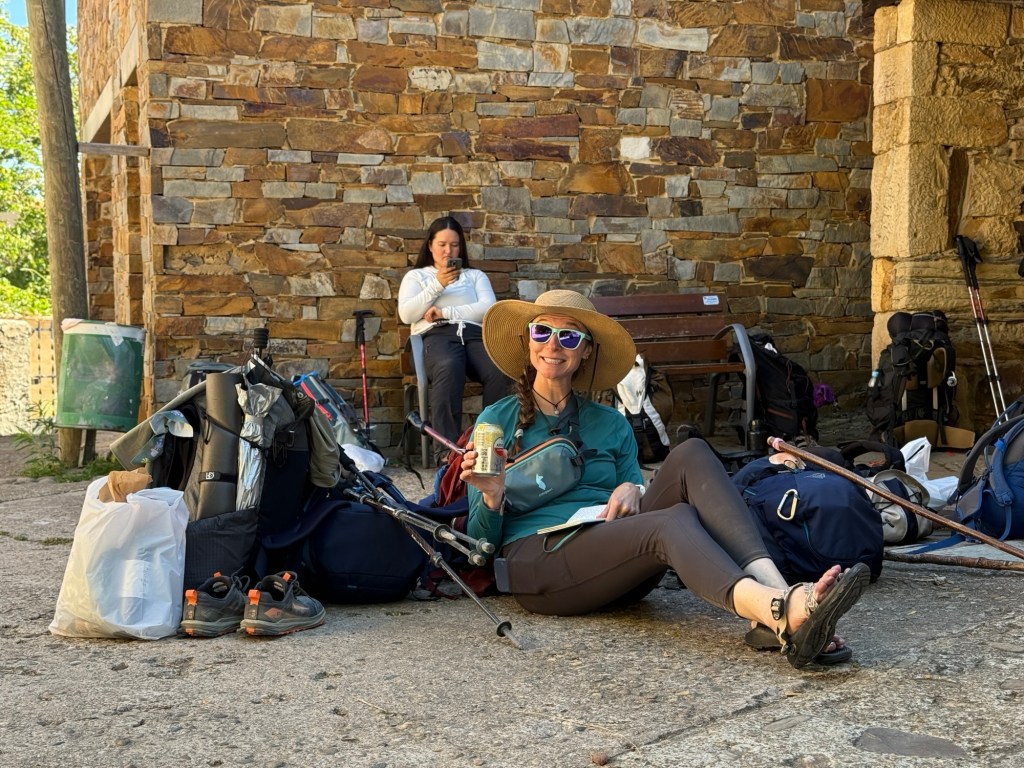
Somewhere in between blisters and bridges, math quizzes and missing poles, we’ve found our stride. The Camino strips away distractions until what’s left is simple: keep moving, notice what’s around you, share what you can. Tomorrow the climb grows steeper and the mornings colder, but the path is teaching us that the hard miles are the ones that make space for surprises.
 Pause and Wander
Leave a comment