
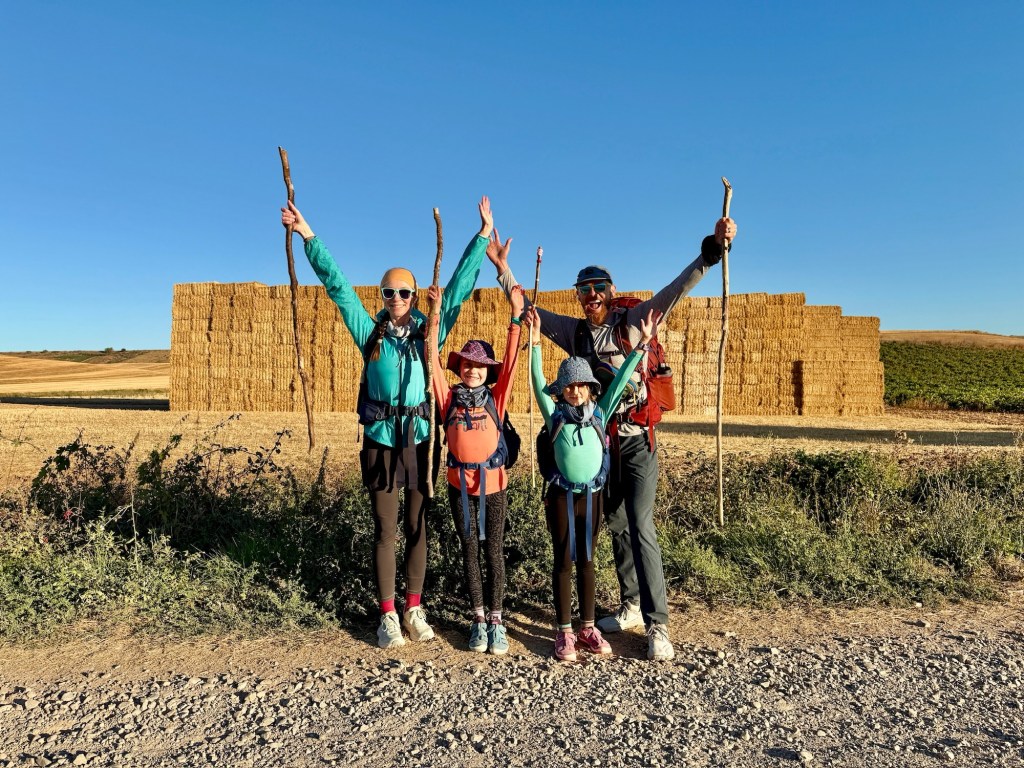
Date: September 12–15, 2025
Places: Logroño → Ventosa → Azofra → Santo Domingo de la Calzada → Belorado
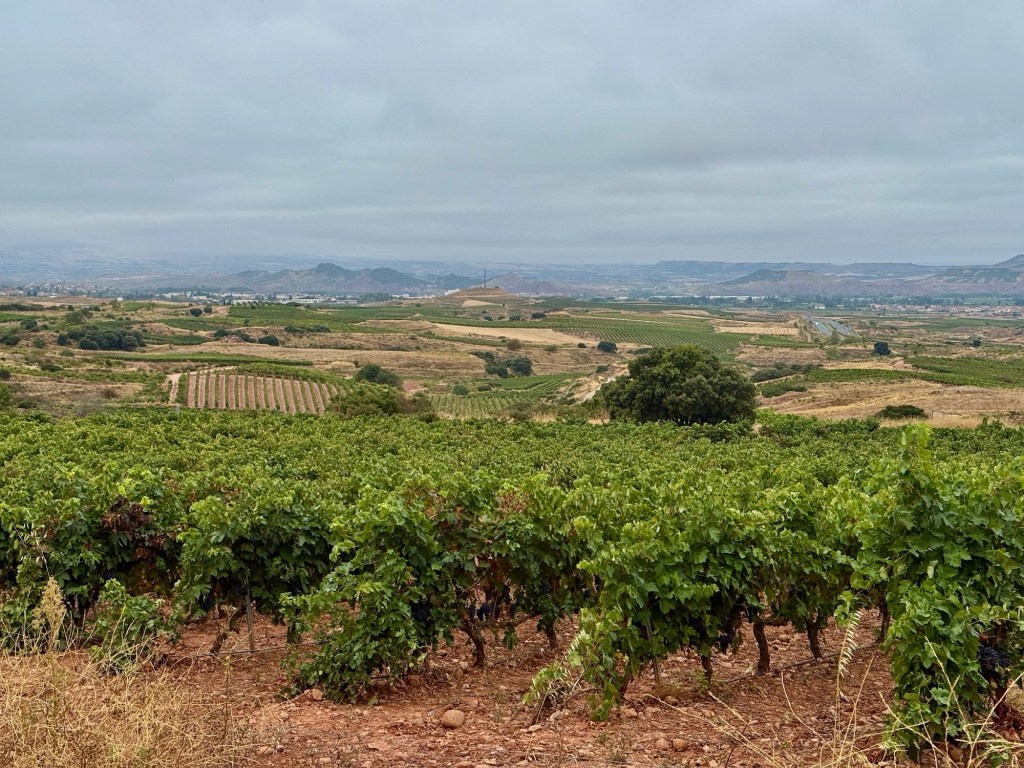
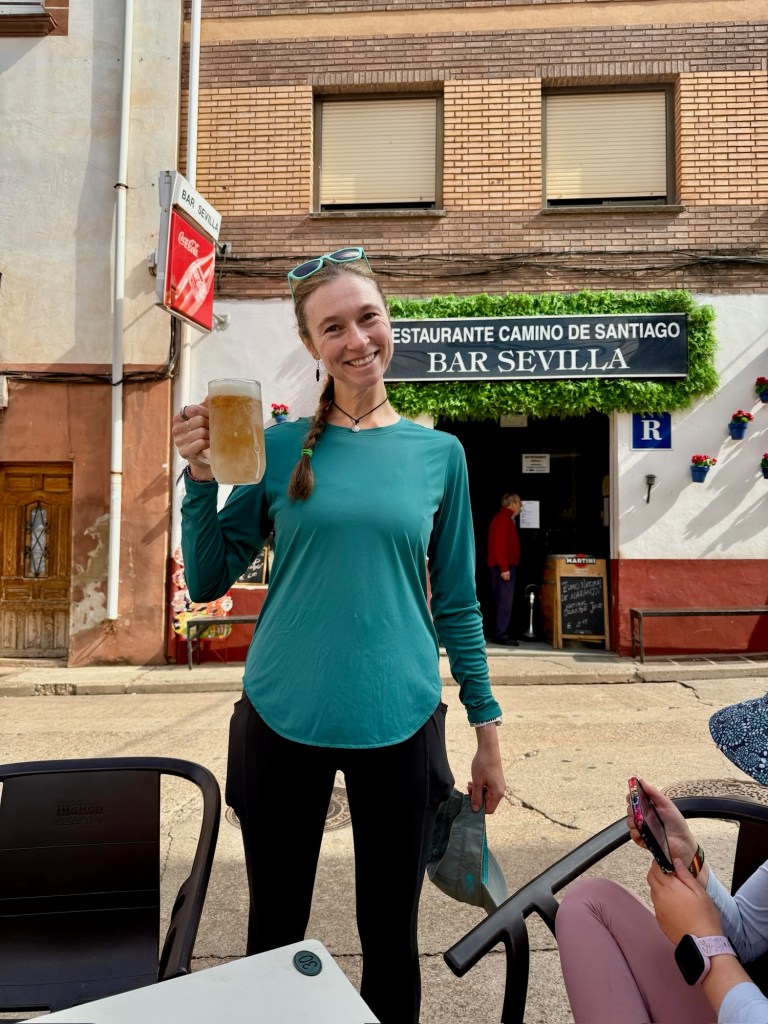
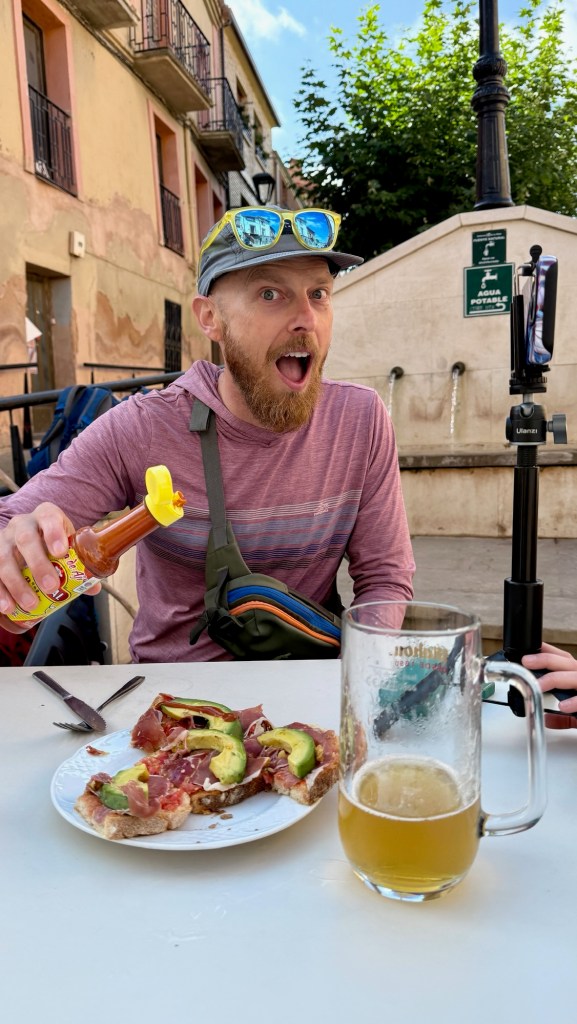
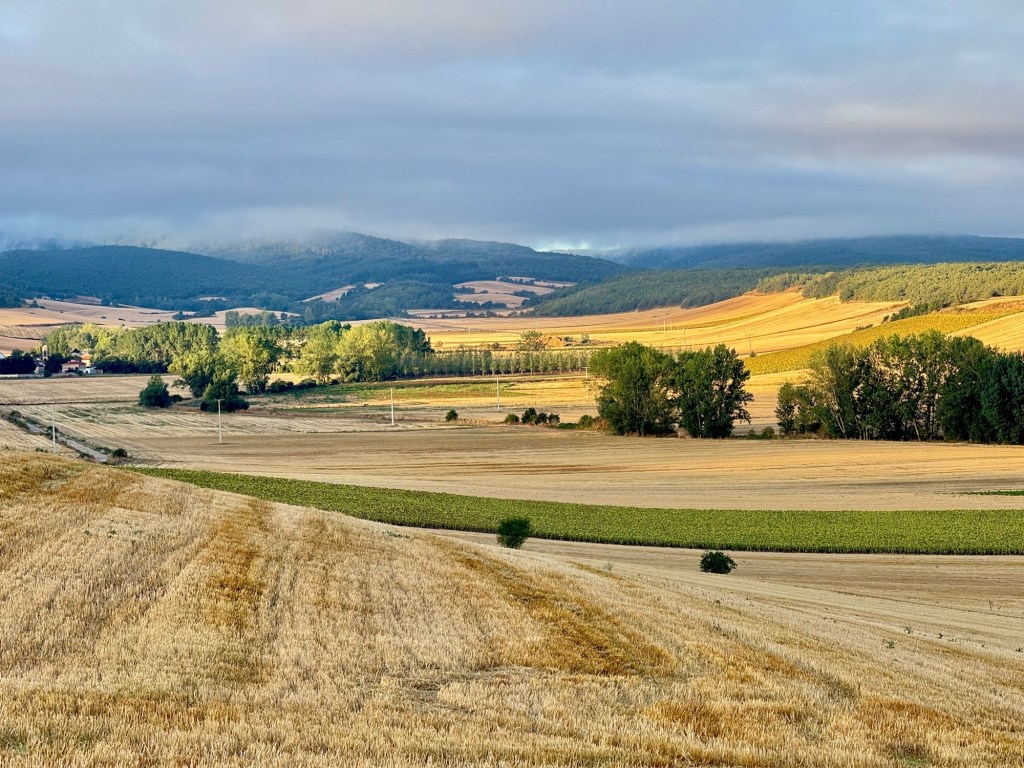
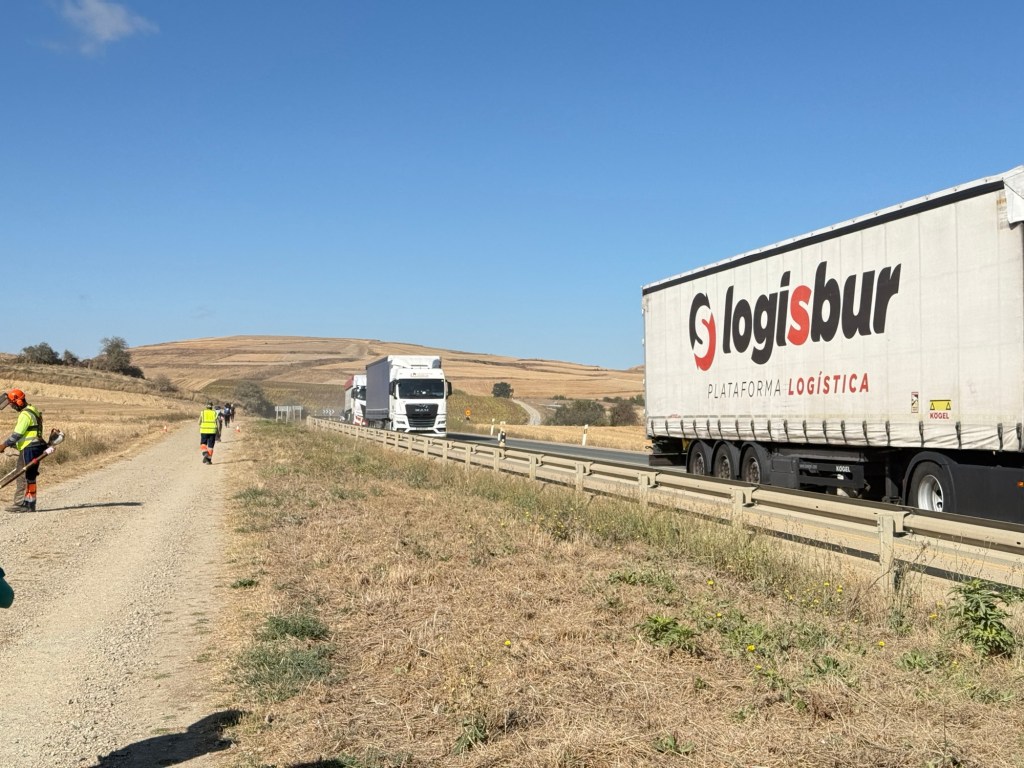
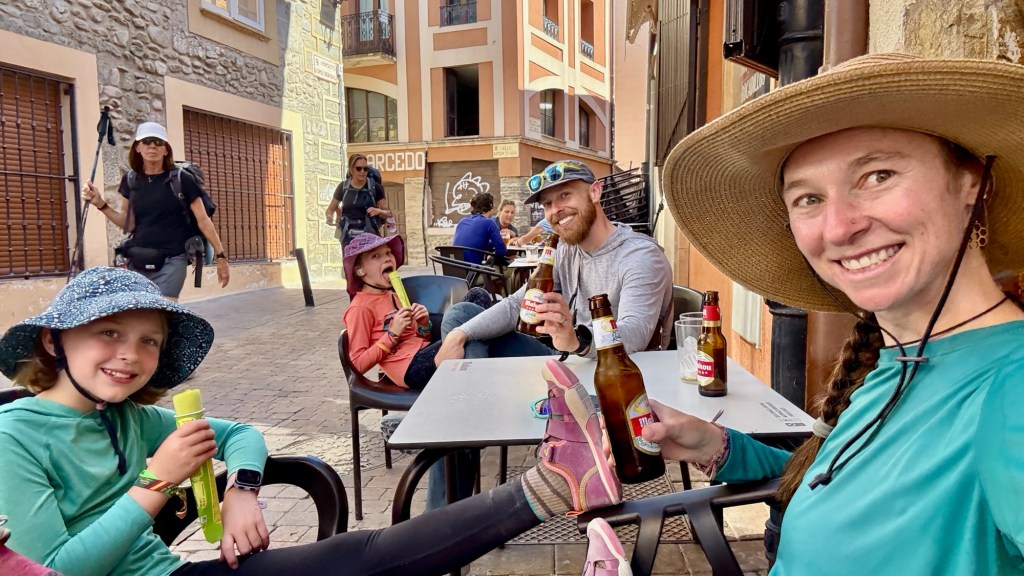
The Camino seems to run on contrasts. One moment we’re under a canopy of clouds strolling past vineyards, the next we’re shuffling beside a roaring highway with semis barreling past. Sometimes we’re sipping Radlers in a sunny plaza, sometimes we’re dodging spiderwebs in a deserted golf country club that feels ripped out of a dystopian film. But threaded through every day are the people and stories that remind us why we’re here—not just to walk, but to share the road.
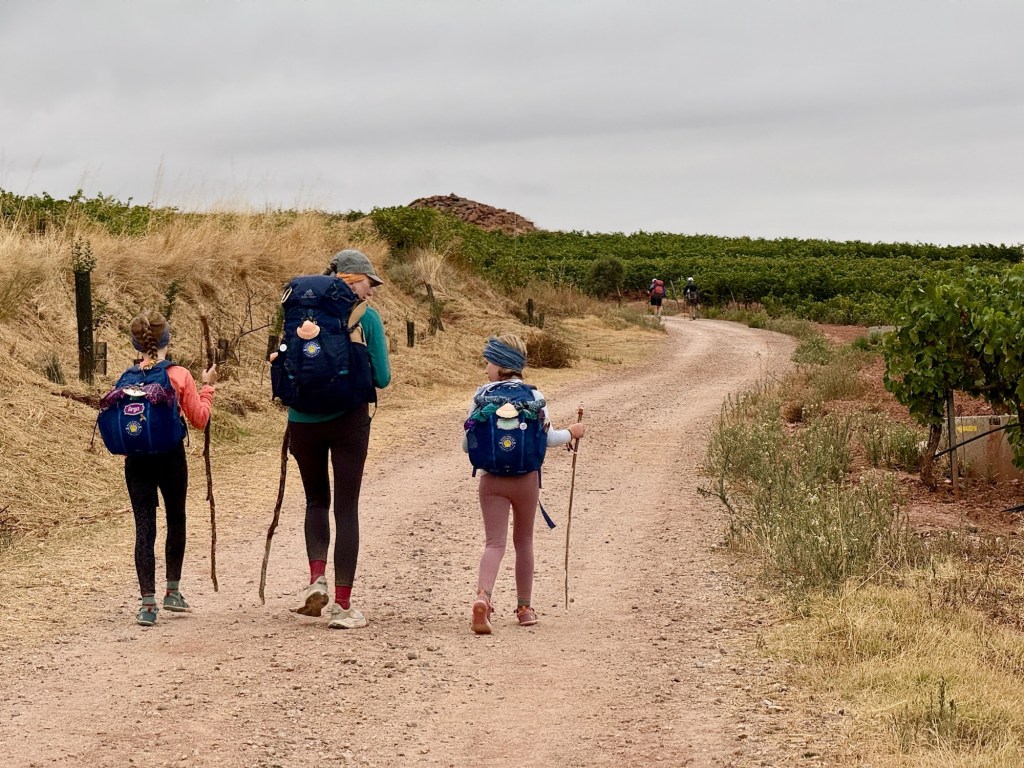
We kicked off this stretch from Logroño to Ventosa with an experiment: pairing AirPods, splitting earbuds four ways, and turning our walk into a moving book club. The girls had been begging for the next Alcatraz vs. the Evil Librarians, and once the story began, kilometers melted away. The danger, of course, is that you can be so swept up in the plot you forget to notice the vineyards rolling past, but seeing Arya’s grin and hearing Finlee’s dramatic gasps made it worth the trade. By evening we were back to teaching Hearts in a café—slow progress, but the strategy is finally sinking in.


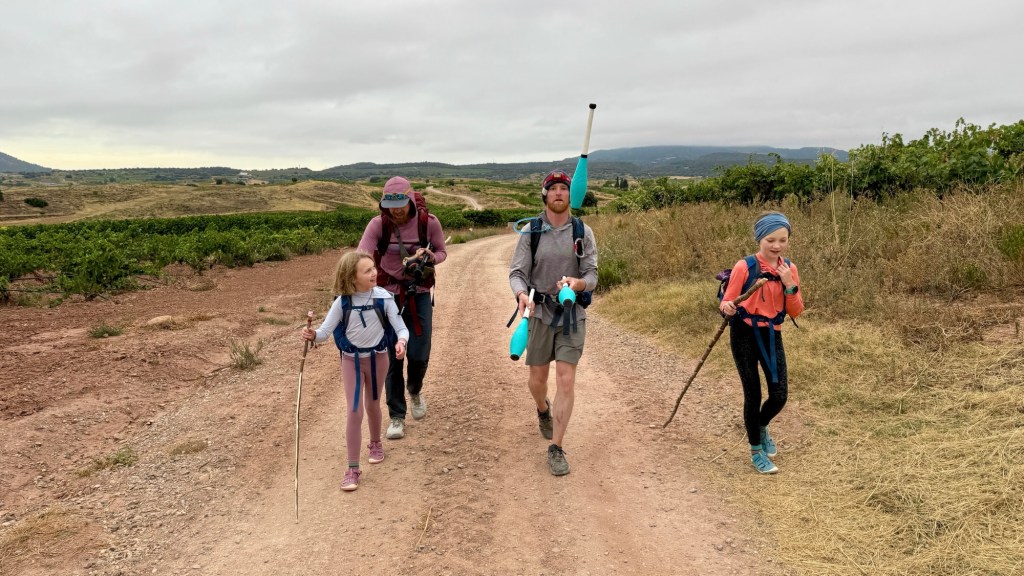
The next morning the girls set the pace and it was the quickest yet—about 5.5 km/hr. We fell into step with Don, an electrician from San Diego who somehow managed to juggle bright blue bowling pins while navigating the rocky path. The girls were wide-eyed, and truthfully so were we. Later we walked with Patricia, a retired Kiwi, who was delighted not just by the vineyards but also by the novelty of receiving drone footage airdropped straight to her phone. Encounters like these keep the miles from blurring together—every pilgrim carries a different story, and swapping them feels like collecting postcards for the memory box.
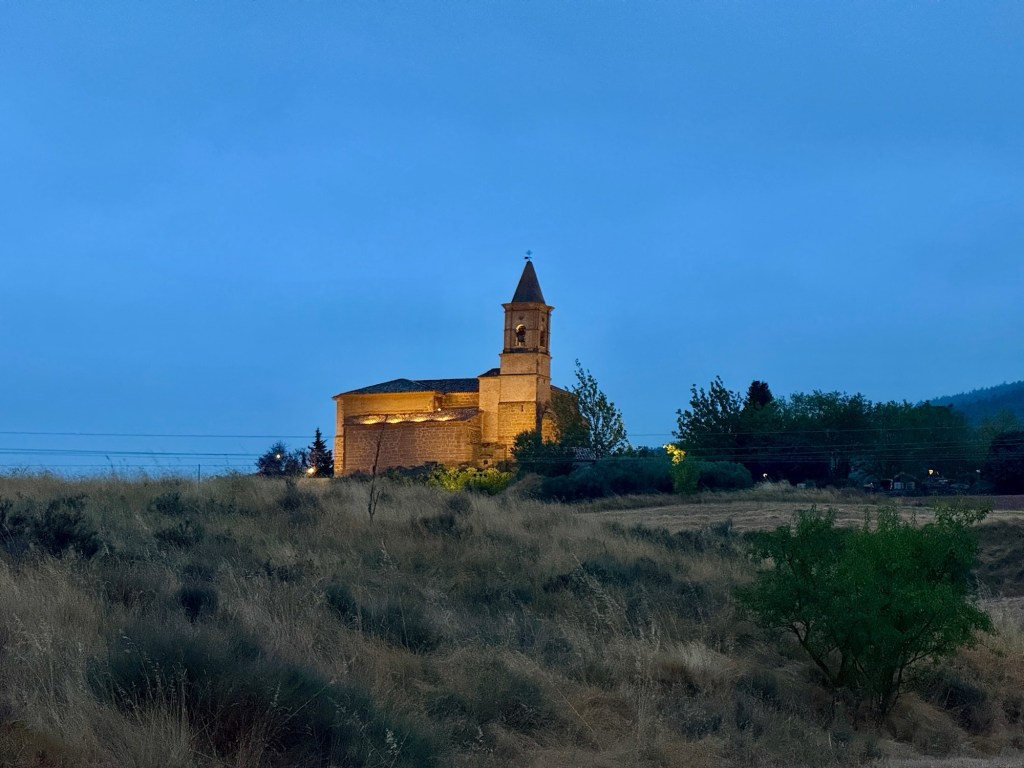

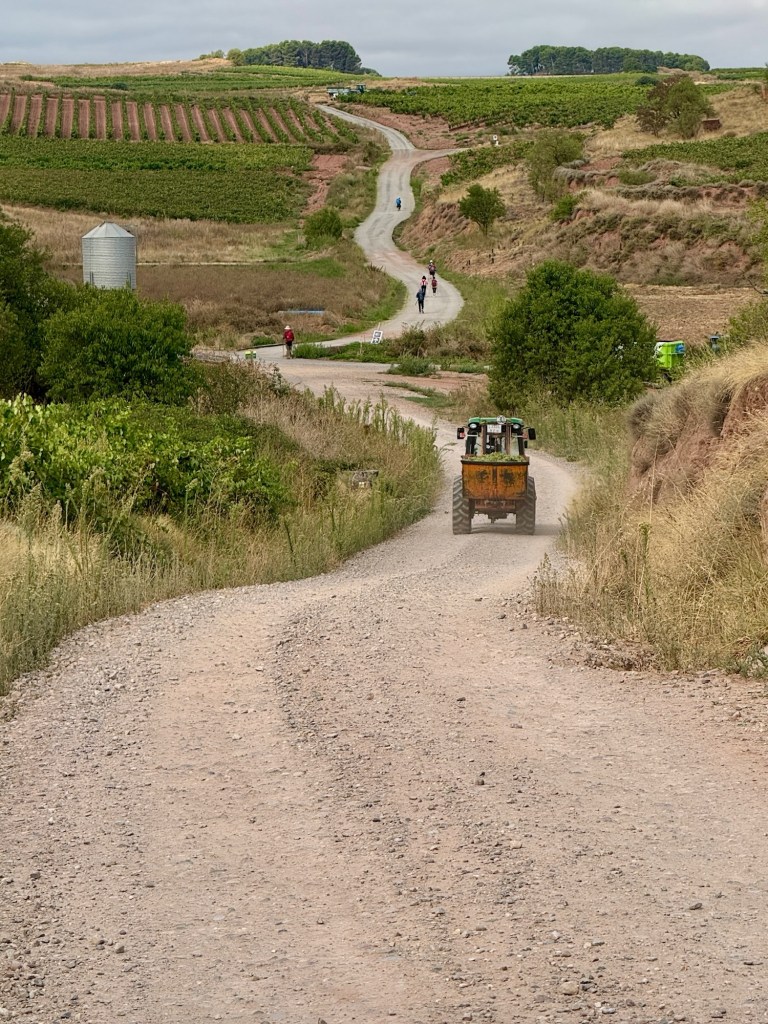
By the time we reached Azofra we were ready for rest, and the albergue’s courtyard fountain turned foot soaking pool delivered. The girls plunged their tired feet into the icy water, and soon we were chatting again with Kelli, an American from Seattle who has walked the Camino many times and now runs a food truck serving pilgrims alongside her husband in Galicia. She told us how much she loves the slower pace they’ve built for themselves, but she didn’t sugarcoat the effort it took: endless layers of Spanish bureaucracy, hard work, and tradeoffs that sometimes stung. Still, she felt it was worth the price.
We’re not seriously considering moving abroad, but the conversation stirred something. What would it look like to reset our own balance back home? Could we slow down a bit? Perhaps search for projects that add new meaning to our lives and enriches our communities? The Camino keeps nudging these questions forward, and hearing Kelli’s perspective added another possibility to the mix of futures we might imagine for ourselves.
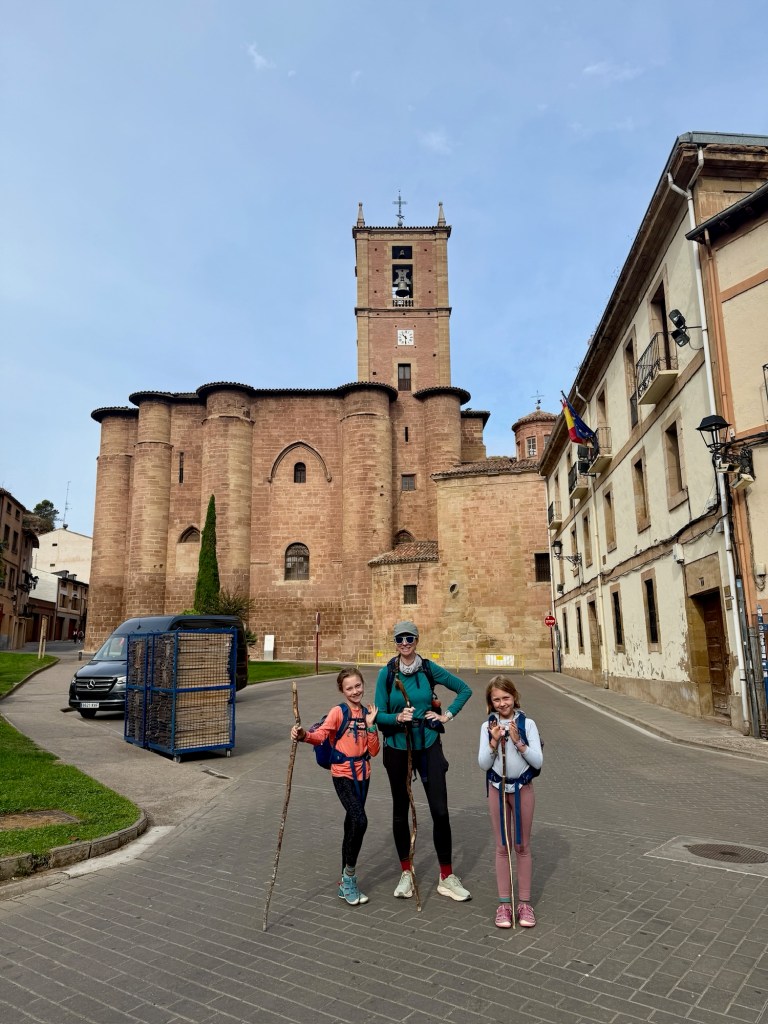
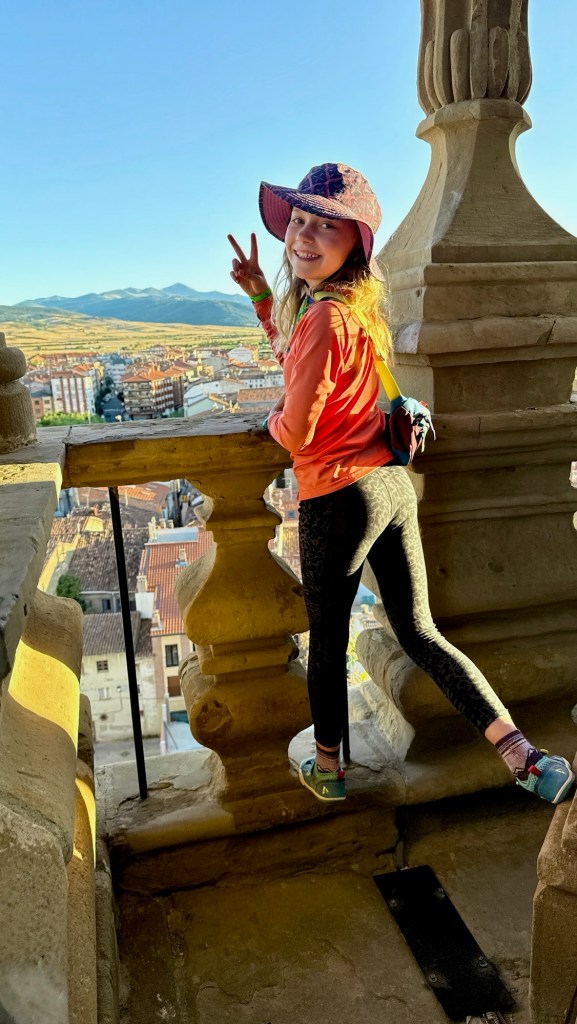
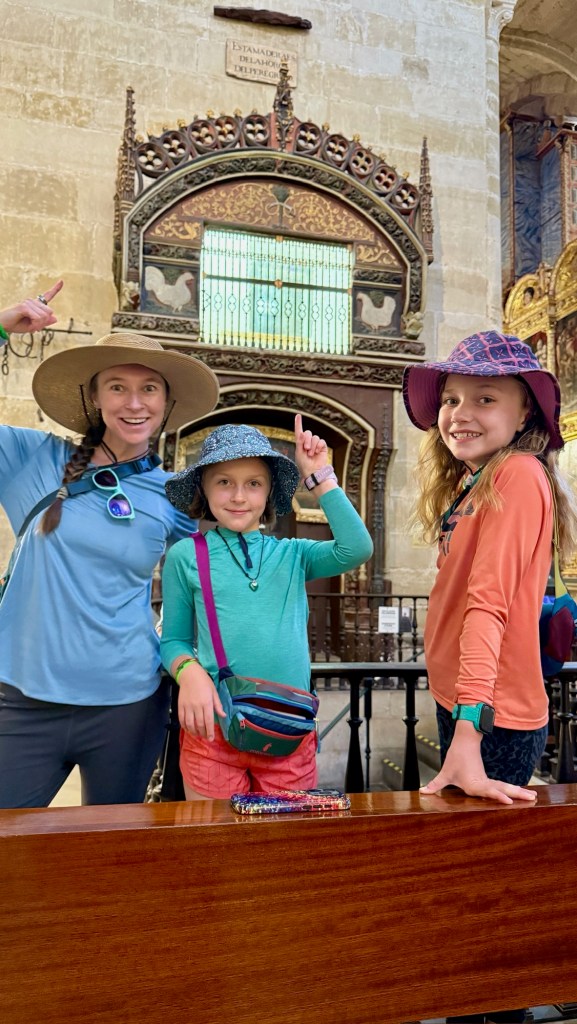
From vineyards to hay fields, the landscapes kept shifting. At one ridge we stopped at a golf club so overrun with spiderwebs and empty houses that it looked like the set of a bad sci-fi movie. Creepy as it was, the day ended in Santo Domingo de la Calzada, where cobblestones, a towering cathedral housing live “sacred” chickens, and the girls climbing a clock tower restored all the charm we could ask for. Seeing Arya and Finlee waving down from above while dinner simmered on the stove was one of those Camino moments that lands squarely in the “worth it” column.
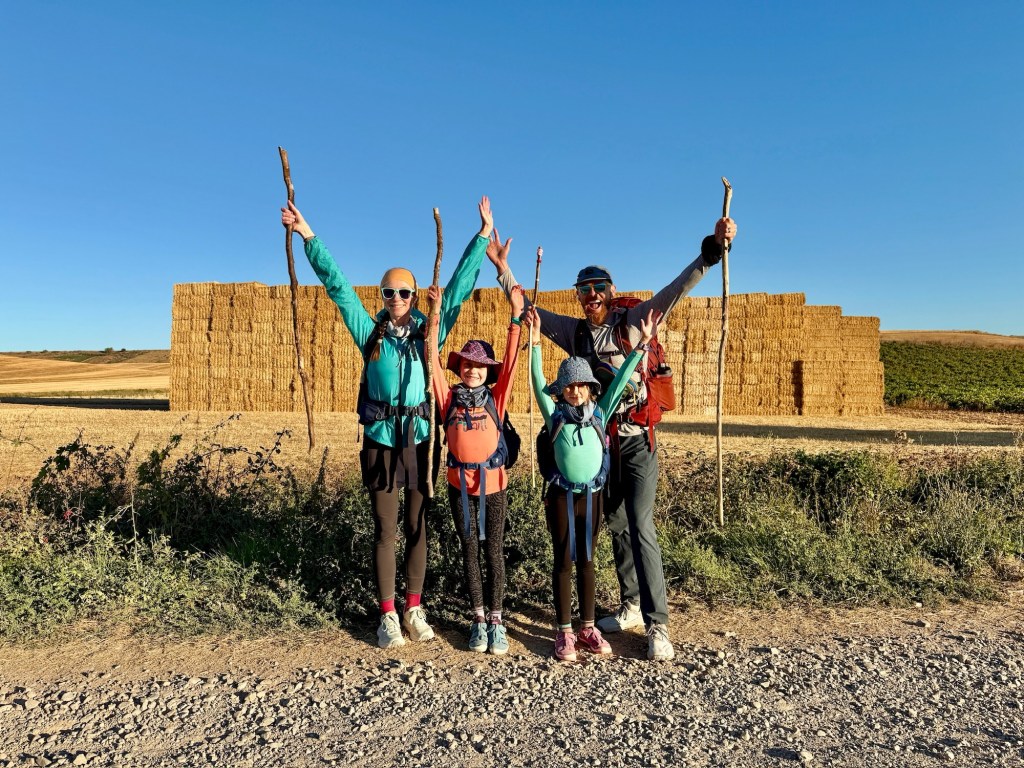
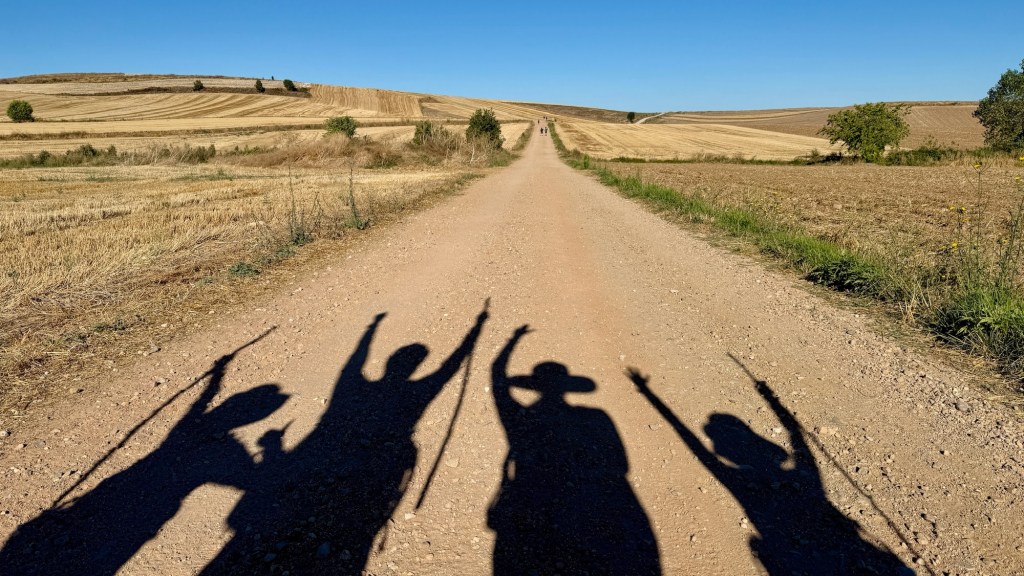
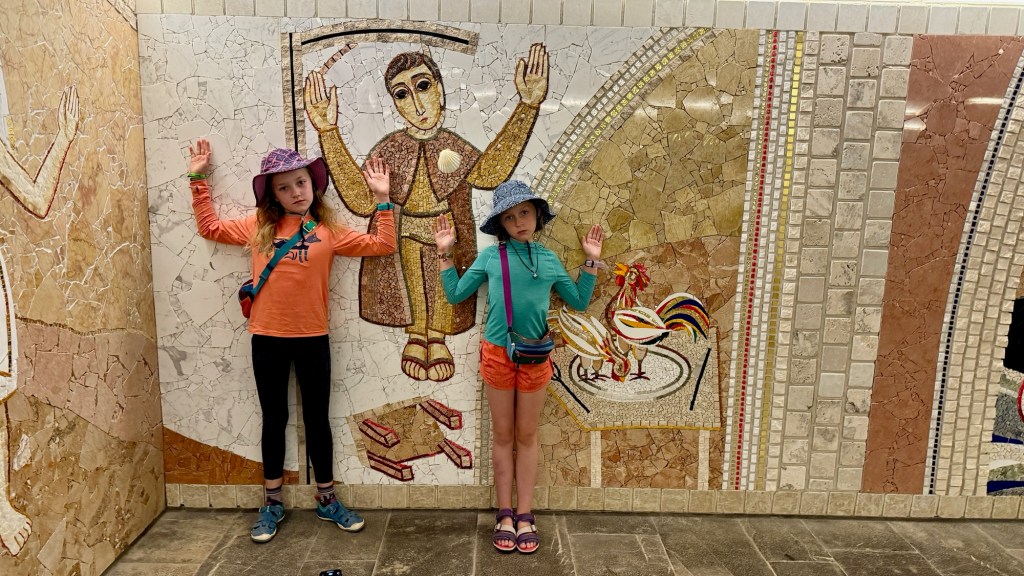
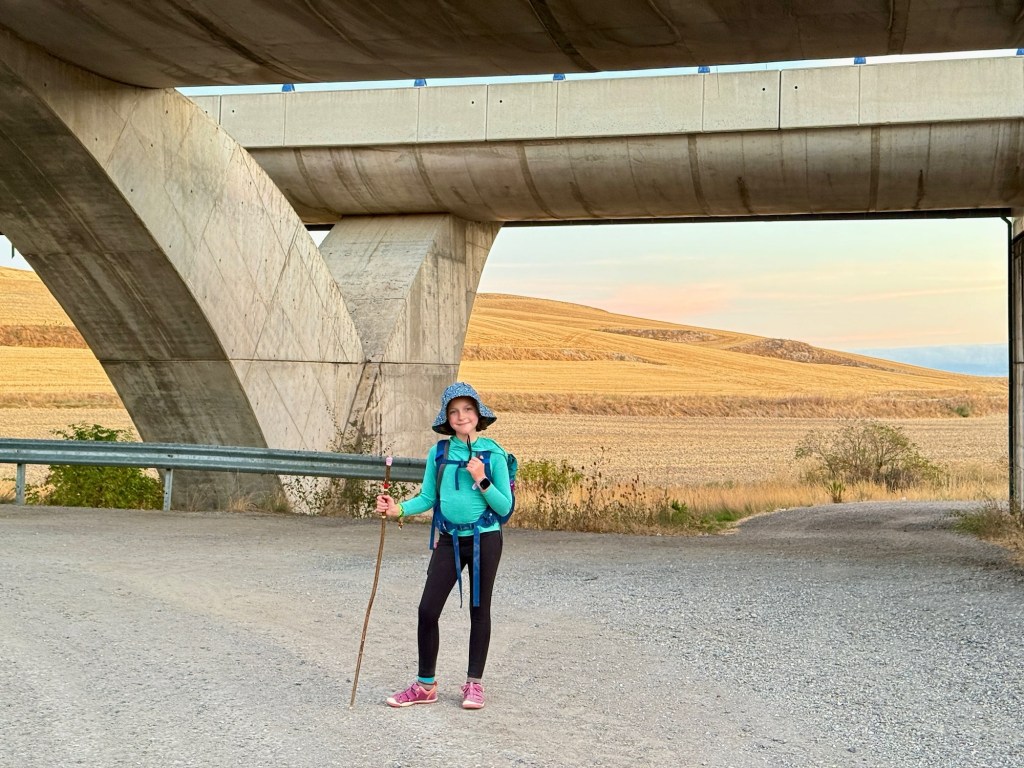
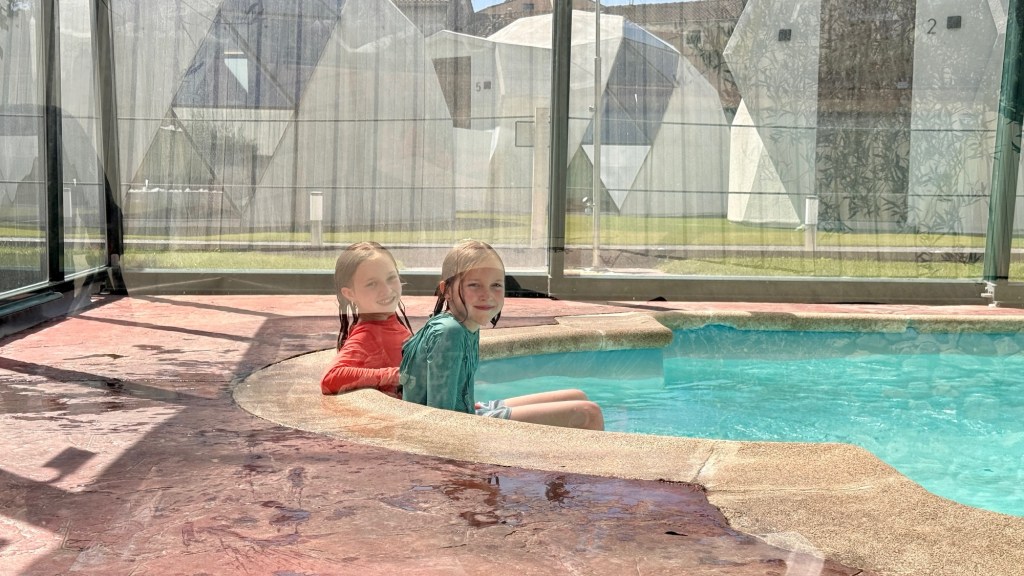
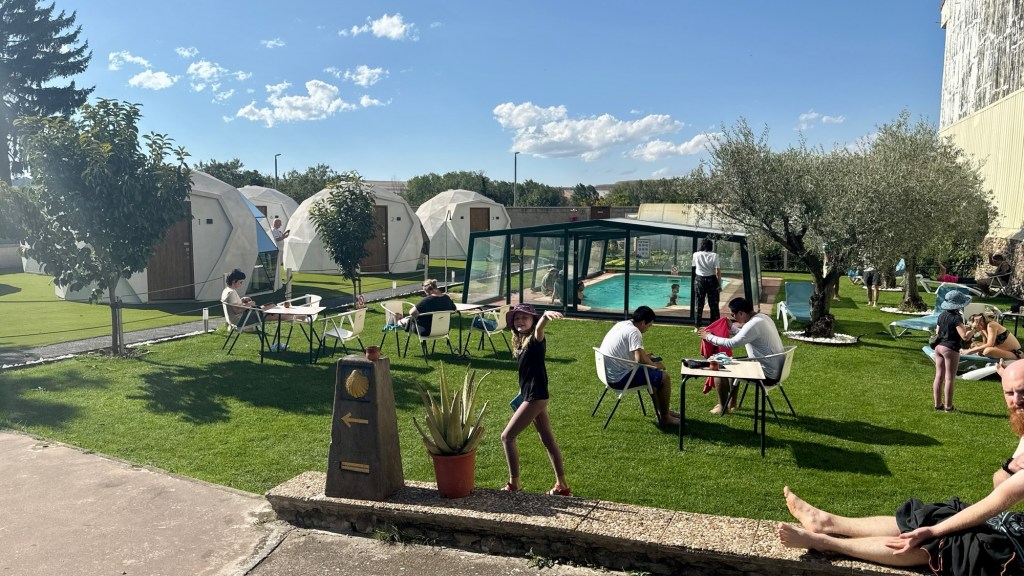
Not every day was so picturesque. Our longest walk yet—24 kilometers into Belorado—was spent almost entirely beside a superhighway. The soundtrack was semis instead of songbirds, but the girls powered through with the promise of cold sodas, and we all revived with ice cream or beer at the finish. This was topped only by the best surprise of the day: our albergue/hotel had a pool and the girls mustered up all the hidden energy they had after a long hot day to play for a couple more hours in the chilly water. The sound of children giggling was pure joy, and music to the ears of tired pilgrims relaxing in the garden.

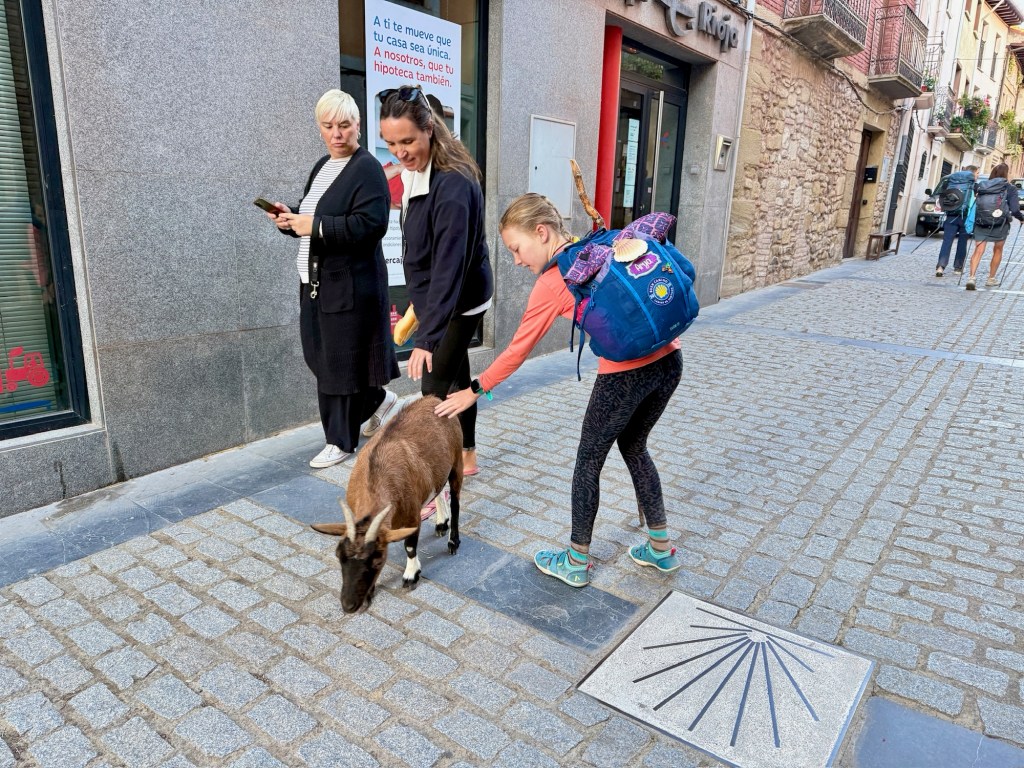
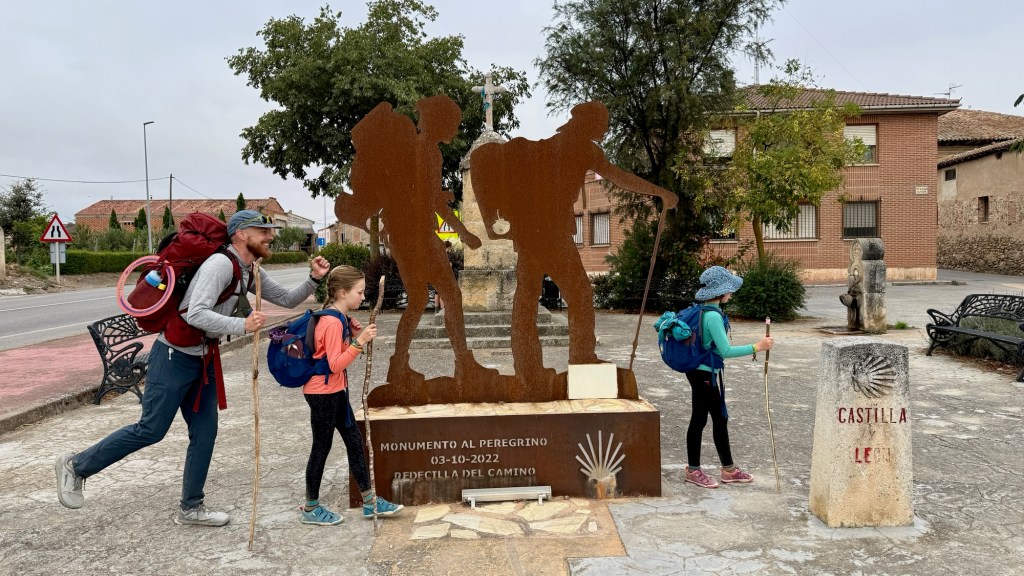
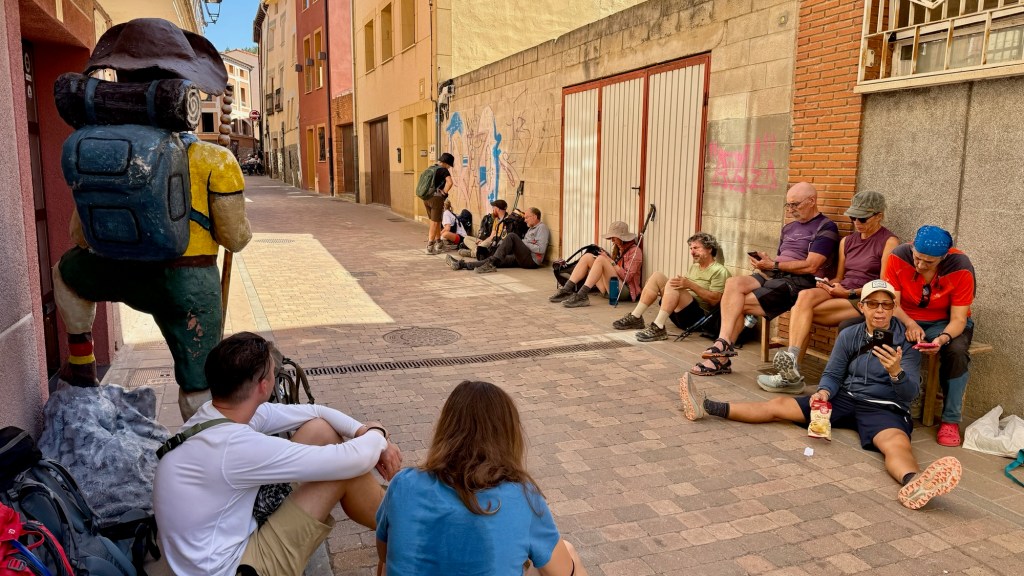
These four days gave us a sampler platter of the Camino: shady vineyards, dystopian suburbs, quirky pilgrims, refreshing fountains, ringing clock towers, and long, hot miles. What ties it all together is community. We may walk at different speeds, come from different countries, and carry different reasons for being here, but the conversations remind us we’re part of something bigger than our own family’s trek. The Camino is equal parts road, people, and reflection—and in that mix of contrasts is already giving us more than we imagined.
 Pause and Wander
Leave a comment